
The Ultimate Guide to Dynamic Lighting: Revolutionizing Architectural Environments
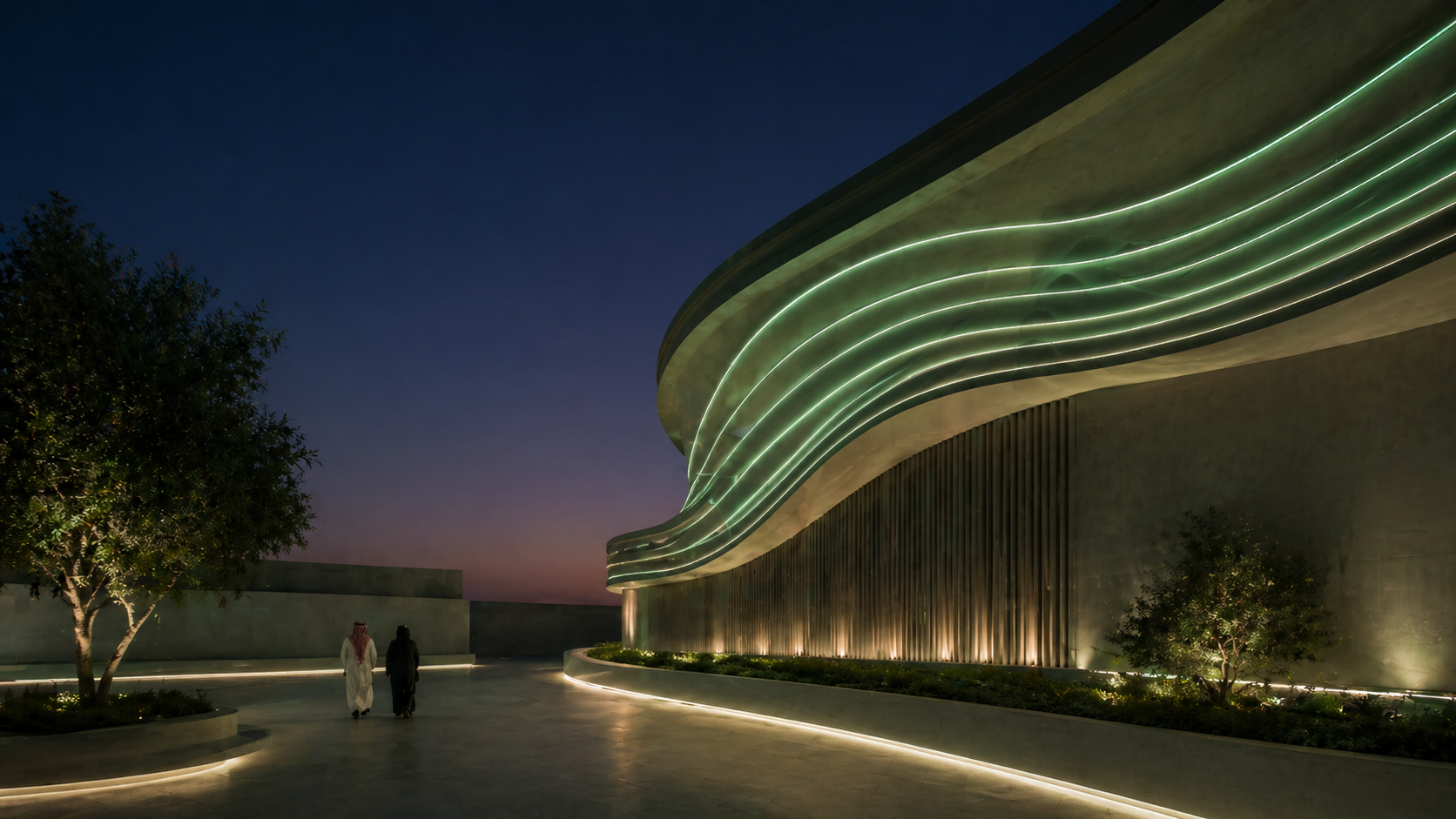
Dynamic lighting is no longer a futuristic concept; it is the beating, responsive heart of modern architectural design. For decades, spaces were defined by static, unyielding illumination that completely ignored the shifting biological and emotional needs of human occupants throughout the day. Today, this revolutionary approach allows environments to actively breathe and adapt, fundamentally transforming how people experience commercial, hospitality, and residential spaces. According to comprehensive research published by the Illuminating Engineering Society (IES), systems that seamlessly adjust to environmental cues significantly elevate both human comfort and baseline operational efficiency. This profound shift from passive bulbs to interactive ecosystems sets the perfect stage for exploring the core engineering philosophy behind adaptable spatial design.
The Core Philosophy of Adaptive Illumination
The integration of adaptive illumination represents a massive paradigm shift in spatial design, moving the global industry firmly away from archaic, “one-size-fits-all” engineering mentalities. When architectural lighting designers treat light as a fluid, highly programmable medium, they unlock the unprecedented ability to perfectly align a building’s atmosphere with the specific psychological needs of its users at any given moment. As extensively detailed in elite publications regarding modern lighting innovations, treating light dynamically bridges the critical gap between cold structural engineering and the warm, nuanced human experience. Achieving this seamless, invisible harmony between humans and concrete architecture heavily relies on the strategic application of highly specialized optical technologies.
Harnessing the Power of Tunable White Technology
At the absolute forefront of this design revolution is tunable white technology, a scientific breakthrough that allows individual fixtures to smoothly transition across the entire Kelvin temperature scale. This capability means a single light source can emit a crisp, blue-enriched white during peak morning working hours to stimulate intense focus, and later transition to a warm, soothing amber to promote relaxation as the evening approaches. The International WELL Building Institute (IWBI) heavily promotes these advanced tunable systems, citing clinical data that proves they actively regulate human circadian rhythms and prevent chronic fatigue. By masterfully manipulating these white light frequencies, architects can essentially bring the vital, health-boosting benefits of the outdoor sky directly into enclosed, windowless environments.
Reconnecting with the Natural World
Recreating the natural, rhythmic progression of sunlight indoors is arguably the most impactful strategy for enhancing long-term occupant well-being and daily productivity. Humans are biologically hardwired to respond to the sun’s journey; when indoor spaces remain statically lit from dawn until dusk, it induces a subtle state of physical confusion and mental exhaustion over time. Implementing these nature-mimicking algorithms is a foundational, non-negotiable pillar of exceptional architectural lighting design, ensuring that the built environment actively nurtures rather than drains its inhabitants. While mimicking the sun establishes an incredible baseline of biological health, introducing vibrant, programmable color introduces an entirely new dimension of emotional and aesthetic control.
The Intersection of Art and RGBW Color Mixing
Moving beautifully beyond the spectrum of standard white light, RGBW color mixing empowers designers to paint physical structures with virtually any hue imaginable, turning buildings into glowing canvases. By combining red, green, blue, and dedicated white diodes within a single, sophisticated optical fixture, engineers can produce millions of distinct color variations with flawless, mathematical precision. Experts at the International Association of Lighting Designers (IALD) consistently note that this precise color rendering is absolutely critical for the hospitality and retail sectors, where brand identity and atmospheric mood directly dictate consumer behavior. This immense, highly controllable palette of programmable colors provides the ultimate foundation for crafting specific atmospheric moments tailored to diverse corporate events and social functions.
Creating Emotionally Resonant Smart Lighting Scenes
The true, breathtaking magic of colored and tunable diodes is fully realized through the meticulous creation of programmable smart lighting scenes. Instead of manually adjusting dozens of individual dimmers, facility managers can instantly transform a space’s entire identity—shifting a sterile corporate boardroom into an elegant evening reception space with a single tap on a digital interface. In-depth studies exploring the psychology of lighting confirm that these pre-programmed scenes heavily influence emotional states, directly impacting how comfortable, safe, or energized people feel within a room. However, commanding this highly complex symphony of colors and shifting scenes requires a robust, hyper-reliable network of hardware running silently behind the walls.
The Hardware Driving the Aesthetic Vision
Executing these flawless scene transitions without visual stutter, delay, or mechanical failure demands absolute perfection from the underlying electrical hardware. The fixtures themselves must be engineered with advanced LED drivers capable of ultra-smooth, flicker-free dimming, especially when the system is fading down to the lowest one percent of luminous intensity. According to rigorous testing by the Lighting Research Center (LRC), invisible flickering from low-quality, budget drivers is a leading, often misdiagnosed cause of severe migraines and visual discomfort in commercial office spaces. Securing this premium, medical-grade hardware sets the flawless physical stage, paving the exact way for the sophisticated software protocols that will ultimately control them.
As we move past the biological benefits of tunable white light and the aesthetic power of color mixing, a monumental question remains for architectural engineers. How do we physically connect thousands of these advanced fixtures together, and what digital languages do they speak to execute these flawless, synchronized performances? In Part 2 of this comprehensive guide, we will dive deeply into the complex world of DMX control systems, explore the boundless potential of IoT connectivity, and reveal how daylight harvesting is reshaping energy economics.
Mastering the Digital Symphony: Advanced Control Protocols
Connecting thousands of highly advanced fixtures across a sprawling commercial campus requires a communication infrastructure that is both lightning-fast and completely fail-safe. As environments transition from simple illumination to highly orchestrated visual experiences, the underlying digital language that commands these fixtures becomes the true brain of the operation. Without a robust data network, even the most expensive tunable diodes will fail to execute their intended atmospheric shifts, resulting in a chaotic and broken user experience. This absolute necessity for flawless, real-time communication pushes engineering teams to rely on proven, industry-standard protocols that can handle massive data streams without breaking a single sweat.
Precision Programming with DMX Control Systems
When flawless synchronization and rapid color transitions are absolutely critical to a project’s success, designers universally turn to DMX control systems to manage the massive data load. Originally developed for high-stakes theatrical productions, this robust digital protocol has seamlessly migrated into the commercial architectural realm, allowing engineers to dictate the exact behavior of thousands of individual diodes down to the millisecond. The United States Institute for Theatre Technology (USITT) continues to refine these DMX standards, ensuring they remain the undeniable gold standard for controlling dynamic facades and complex indoor installations. As beautifully demonstrated in world-class facade lighting designs, DMX allows towering skyscrapers to function as massive, synchronized digital displays that captivate entire cities.
The Rise of Wireless Mesh Networking in Commercial Spaces
While hardwired DMX systems offer unmatched speed, running thousands of feet of dedicated data cables through existing historical structures is often physically impossible and financially ruinous. To overcome this massive logistical hurdle, the industry has aggressively embraced wireless mesh networking, a technology that allows fixtures to communicate with one another by passing data signals across a decentralized, self-healing web. Organizations like the Bluetooth Special Interest Group (SIG) have developed highly secure, enterprise-grade mesh protocols that guarantee robust signal strength even in dense, concrete-heavy office buildings. This incredible wireless flexibility allows developers to completely modernize older portfolios with dynamic capabilities without the catastrophic downtime associated with tearing open walls and ceilings.
The Intelligence of IoT: Creating Autonomous Environments
The true digital revolution occurs when these robust control networks are paired with advanced IoT connectivity, transforming lighting fixtures from passive receivers of commands into active, intelligent environmental sensors. By embedding microscopic occupancy, temperature, and ambient light sensors directly into the luminaire housings, the entire ceiling becomes a sprawling digital nervous system that constantly monitors the room below. This wealth of real-time spatial data allows the building’s central management software to make autonomous decisions, instantly optimizing the environment for the people actually using it. Top lighting design consultants heavily leverage this interconnected data to not only improve human comfort but to drastically slash wasted energy consumption across the entire real estate portfolio.
Maximizing Efficiency with Daylight Harvesting
One of the most financially lucrative applications of this sensor-rich IoT environment is the brilliant implementation of daylight harvesting strategies in spaces with large exterior windows. As the sun rises and floods a commercial atrium with free, natural illumination, the ceiling sensors immediately detect the lux increase and autonomously dim the artificial fixtures to compensate. Comprehensive studies published by the U.S. Department of Energy (DOE) prove that daylight harvesting can routinely slash lighting-related electricity costs by up to sixty percent in modern glass-facade buildings. This seamless, invisible balancing act between nature and technology ensures that occupants always enjoy the perfect amount of light while the property owner aggressively protects their operational budget.
Seamless Operations via Automated Scheduling
To truly maximize the operational efficiency of these complex ecosystems, facility managers rely on sophisticated automated scheduling to completely remove human error from the daily equation. Instead of trusting security personnel to manually adjust dimmers or power down zones at the end of the day, the central software autonomously executes these commands based on precise astronomical clocks and historical occupancy patterns. This intelligent automation ensures that dynamic scenes shift exactly when they are supposed to, preserving the carefully curated atmosphere of hotel lighting spaces without requiring constant staff intervention.
With the hardware selected, the control protocols established, and the autonomous IoT networks fully programmed, the theoretical design is finally complete. However, how do developers ensure that this incredibly complex digital blueprint is physically installed and commissioned correctly without disastrous budget overruns? In the third and final part of this guide, we will unpack the critical roadmap for flawlessly executing dynamic lighting projects in the real world.
The Strategic Execution: Turning Vision into Reality
Transitioning a highly sophisticated dynamic lighting concept into a tangible, functioning reality demands rigorous project management and uncompromising technical oversight. Even the most brilliantly conceived design can quickly unravel during the construction phase if contractors fail to understand the nuanced photometric requirements or specific digital mounting tolerances. The Project Management Institute (PMI) strictly advises that complex architectural integrations require dedicated, specialized oversight to prevent costly deviations from the original master plan. This is precisely why elite real estate developers refuse to leave the final execution of their visual atmosphere to chance or general contractor guesswork. Securing a flawless installation necessitates enlisting the specialized expertise of an independent, highly trained consultancy team to act as the project’s ultimate visual guardian.
The Critical Role of Professional Engineering Oversight
Partnering with a dedicated professional is the single most effective insurance policy against compromised aesthetics and inflated installation budgets. When developers learn the rigorous criteria for choosing a lighting design office, they quickly realize that true experts do much more than simply select fixtures; they mathematically validate every single beam angle, wattage requirement, and data integration point. These specialized engineers act as a crucial bridge between the visionary architects and the hands-on electrical contractors, ensuring that the delicate adaptive illumination details are not value-engineered out of existence. By strictly maintaining the integrity of the original design intent, these consultants protect the property’s long-term market value and the ultimate user experience. This high-level technical stewardship becomes especially critical when navigating the notoriously complex procurement phase of construction.
Navigating Procurement to Avoid Budget Overruns
The global supply chain for commercial-grade diodes, advanced optical lenses, and interconnected hardware is notoriously dense and highly volatile. Without expert guidance, development teams frequently fall into the trap of purchasing substandard clone fixtures that promise high performance but fail catastrophically within the first year of operation. To prevent this, professional design teams leverage their deep industry relationships to source heavily vetted, warranty-backed hardware directly from reputable global manufacturers. Recognizing the common mistakes of ignoring a lighting design company reveals how expert procurement entirely eliminates the risk of counterfeit components and disastrous schedule delays. With the right hardware securely routed to the job site, the team can finally transition to the highly anticipated installation and commissioning sequence.
The Roadmap to Flawless Implementation
To guarantee that the physical installation perfectly mirrors the digital blueprints, industry-leading firms employ highly advanced photometric simulation software before a single wire is ever pulled. Programs developed by organizations like DIALux allow engineers to construct exact three-dimensional replicas of the architectural space, calculating precisely how light will bounce off specific floor textures and wall colors. The International Association of Lighting Designers (IALD) champions this rigorous pre-visualization process as the ultimate standard for eliminating dark spots, preventing glare, and ensuring total regulatory compliance. By mathematically proving the concept in a virtual environment first, the execution team can confidently proceed to the physical worksite equipped with an infallible, step-by-step installation roadmap.
The Three-Phase Execution Strategy
Executing a massive, multi-layered visual network inside an active construction site requires a highly disciplined, phased approach to prevent logistical clashes with other mechanical trades. If fixtures are installed too early, they risk being damaged by construction dust; if installed too late, they necessitate tearing open freshly painted drywall to run required digital cables. To achieve perfect harmony and absolute system reliability, an elite interior lighting design company will strictly enforce a non-negotiable, three-tiered deployment sequence:
- Infrastructure Pre-Wiring: Installing all necessary conduits, low-voltage data cabling, and digital network hubs while the building’s structural framing is still fully exposed to contractors.
- Precision Hardware Mounting: Surgically installing the physical fixtures, optical diffusers, and heat sinks only after the interior environment is completely dust-free and climate-controlled.
- Digital Commissioning and Calibration: Booting up the central software to meticulously program smart lighting scenes, set automated schedules, and synchronize the system with the building’s master automation platform.
Conclusion: Illuminating the Path Forward
As we conclude this definitive exploration into the art and science of spatial illumination, it is abundantly clear that mastering light is the ultimate key to mastering the human experience. We have moved far beyond the archaic days of simple bulbs and static switches, entering an awe-inspiring era where environments actively adapt to our biological needs, emotional states, and ecological responsibilities. The profound integration of human-centric methodologies, cutting-edge digital automation, and uncompromising energy efficiency has forever changed the trajectory of global architecture. Whether designing a towering corporate headquarters or a serene luxury residence, the way we choose to illuminate our spaces directly dictates the quality of life for everyone within them.
The future of the built environment belongs exclusively to those who recognize light not as an afterthought, but as the foundational pillar of modern design. By embracing sophisticated engineering strategies and partnering with visionary technical experts, developers can transform static buildings into dynamic, living masterpieces. Ultimately, investing in world-class illumination is an investment in human health, operational profitability, and undeniable architectural legacy. Step boldly into the light, and let your spaces shine with unprecedented brilliance, intelligence, and profound, lasting purpose.