
Illuminating Your Visual Identity: How Architecture and Light Forge Brand Recognition
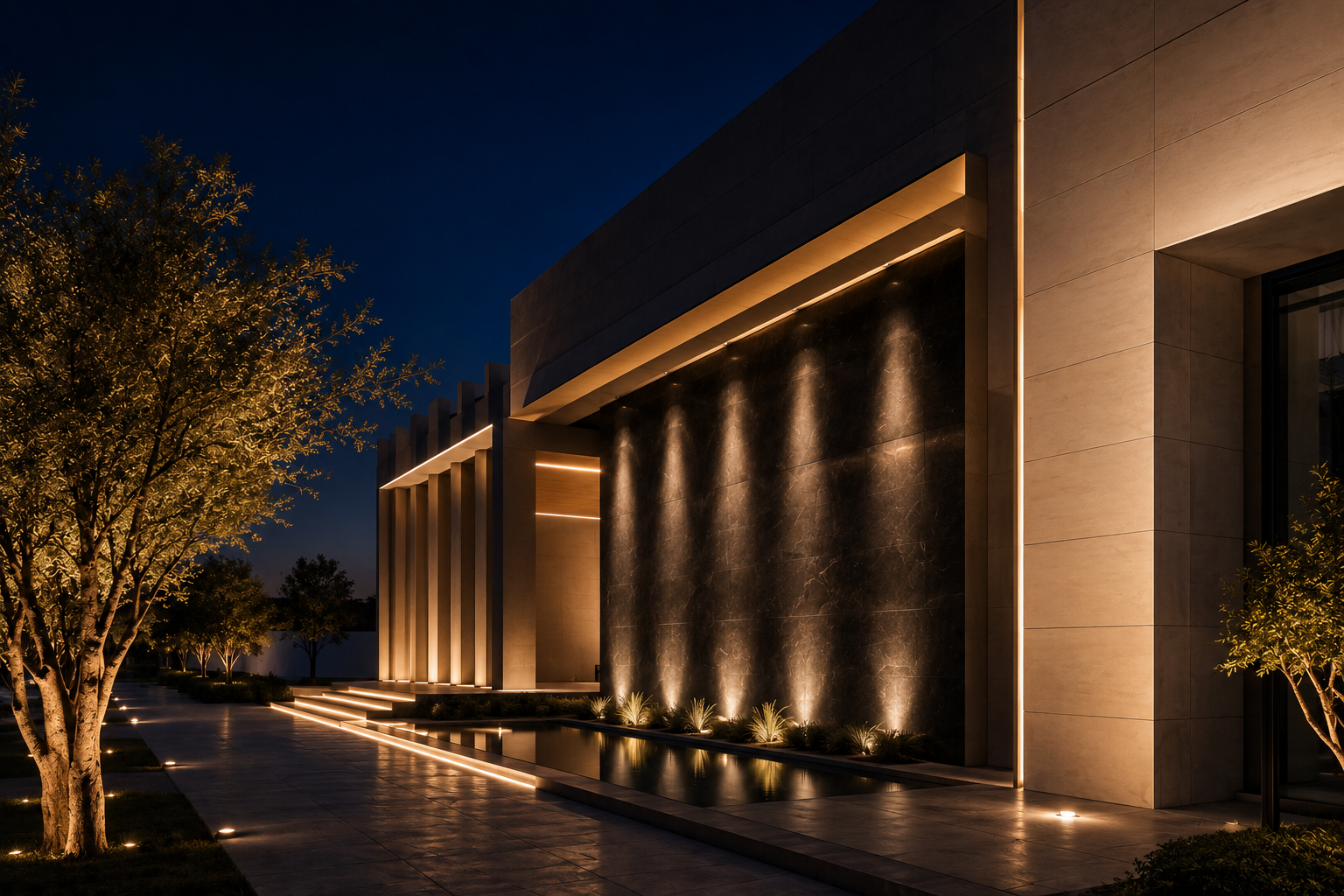
In today’s hyper-competitive marketplace, a company’s visual identity extends far beyond the confines of a two-dimensional logo or a carefully curated social media feed. It encompasses the entirety of the physical environment where a consumer interacts with the business, making architectural design and professional illumination critical components of modern brand strategy. When consumers step into a retail flagship or a corporate headquarters, they instinctively judge the company’s value, prestige, and ethos based entirely on their immediate sensory experience. According to comprehensive research published by the Harvard Business Review, organizations that successfully translate their digital identity into tactile, physical spaces enjoy significantly higher customer loyalty and brand recall. This profound transition from flat graphics to living, breathing architecture sets the foundational stage for exploring how physical environments communicate core corporate values.
The Evolution of Spatial Branding
The modern consumer demands authenticity and total immersion, forcing marketers and architects to collaborate intimately on the concept of spatial branding. This innovative discipline dictates that every physical touchpoint within a building—from the texture of the reception desk to the color temperature of the overhead lights—must perfectly reflect the overarching brand essence. Rather than simply slapping a corporate logo on a blank white wall, visionary designers weave the brand’s DNA directly into the very structure of the room. The American Institute of Architects (AIA) emphasizes that this holistic approach transforms passive structures into active brand ambassadors, constantly communicating with occupants on a subconscious level. Successfully executing this physical manifestation naturally requires a highly coordinated approach to establishing a recognizable baseline style.
Building a Cohesive Corporate Aesthetic
Establishing a strong, unified corporate aesthetic requires strict consistency across all physical locations, ensuring that a customer feels the exact same brand presence whether they are in a boutique in London or a showroom in Dubai. If a luxury brand utilizes warm, golden lighting and dark wood in one location, but harsh, cool-white LEDs and stainless steel in another, it creates severe cognitive dissonance that shatters the customer’s trust. Top-tier design firms utilize precise architectural guidelines to guarantee this uncompromising design consistency, ensuring that every material and lumen output perfectly aligns with the global brand standard. As masterfully detailed in deep explorations regarding visual identity in architectural design, utilizing light to sculpt these specific brand environments is the most effective way to unify diverse architectural spaces under a single, powerful corporate banner.
The Role of Light in Shaping Perception
Light is arguably the single most influential, yet completely invisible, architectural material used to enforce a company’s visual strategy. A cutting-edge tech firm might deploy stark, high-intensity linear fixtures to project an aura of rapid innovation and clinical precision, while a luxury day spa will utilize deeply recessed, warm amber diodes to instantly promote relaxation and holistic wellness. The Illuminating Engineering Society (IES) provides rigorous data proving that human beings immediately associate specific light temperatures and intensities with corresponding emotional states and industry sectors. By masterfully manipulating these invisible photons, designers can instantly dictate how a space feels, seamlessly transitioning the conversation from basic physical branding to the art of profound environmental storytelling.
Forging a Compelling Visual Narrative
Every successful brand has a unique story to tell, and the physical architecture of their commercial space must actively participate in delivering that precise visual narrative. A heritage clothing brand might use antique-style brass lanterns to tell a story of generations of rugged craftsmanship, while a modern electric vehicle showroom uses sleek, glowing LED floors to speak of a pristine, zero-emission future. When the physical lighting perfectly matches the marketing rhetoric, it creates a deeply authentic experience that strongly resonates with the target demographic. This deliberate alignment of storytelling and structural engineering is precisely what transforms standard retail footprints into highly sought-after, immersive environments that consumers eagerly travel to experience in person.
The Power of Signature Lighting
To truly stand out in a crowded urban landscape, industry-leading brands frequently develop bespoke, signature lighting fixtures that serve as instantly recognizable, glowing beacons of their identity. Think of the iconic, glowing geometric rings found in high-end automotive dealerships, or the specific, highly proprietary shade of ambient magenta used in a global telecommunications flagship store. These custom-engineered optical elements become so inextricably linked to the brand that consumers can identify the company from down the street without ever reading a physical sign. Developing these unique, highly proprietary visual markers requires close collaboration with specialized optical engineers who can translate a brand’s specific Pantone color into a perfectly calibrated digital light frequency.
Establishing Deep Emotional Resonance
Ultimately, the goal of deploying this highly customized visual strategy is to establish a profound, unbreakable emotional resonance with the end user. When a physical space feels incredibly comfortable, inspiring, or secure, the human brain subconsciously attaches those positive emotions directly to the brand itself. Fascinating studies exploring the psychology of lighting and its impact on purchasing decisions prove that environments meticulously crafted to lower anxiety directly result in higher consumer dwell times and significantly increased sales conversions. This proves that investing heavily in a highly curated, physically illuminated brand presence is not a superficial vanity metric; it is a vital, highly lucrative cornerstone of modern retail and corporate economics.
As we understand the foundational importance of translating a brand’s essence into physical, glowing architecture, a major operational challenge quickly surfaces. How do designers actually integrate these specific colors, intensities, and custom fixtures into the physical facades of buildings to capture the attention of a busy city? In Part 2 of this comprehensive exploration, we will dive deeply into the mechanics of exterior branding, the critical importance of facade lighting, and how to command the urban night sky.
Commanding the Urban Nightscape with Architectural Branding
The exterior facade of a commercial building serves as the ultimate, unskippable billboard, presenting a massive canvas for commanding architectural branding. While interior environments nurture the detailed customer relationship, the exterior structure must aggressively capture attention and draw the consumer inside from the chaotic, visually crowded urban streetscape. The Urban Land Institute (ULI) notes that properties utilizing dynamic exterior illumination experience significantly higher foot traffic and elevated real estate valuations compared to unlit neighboring structures. This bold projection of light into the night sky acts as the vital first handshake between a brand and its potential audience, sparking immediate curiosity and setting the stage for engagement.
The Mechanics of Exterior Brand Recognition
Establishing instant brand recognition from several city blocks away requires translating the company’s core marketing palette into massive, high-lumen optical displays. A distinct, glowing corporate color wrapping a towering skyscraper ensures that the brand remains highly visible and dominant long after the sun has set on the financial district. Leading developers understand perfectly that facade lighting is a proven secret to attracting investors, as it projects an undeniable aura of fiscal strength, structural permanence, and market dominance into the local skyline. When executed with precision, this glowing exterior perfectly mirrors the internal corporate aesthetic, creating a unified, trustworthy journey from the street to the sales floor.
Engineering Facades that Attract and Engage
Engineering these monumental exterior displays demands highly specialized optical technology that can punch through dense urban light pollution without causing hazardous glare for passing motorists. Architects employ narrow-beam spotlights, dynamic color-changing LED nodes, and architectural grazing techniques to precisely emphasize the unique structural geometry of the building’s outer shell. The International Dark-Sky Association (IDA) strictly regulates these high-powered installations, ensuring that ambitious branding efforts do not contribute to harmful skyglow or ecological disruption. Balancing this aggressive marketing visibility with strict environmental stewardship requires a masterful, highly technical understanding of both advanced photonics and municipal zoning laws.
Dynamic Facades and the Evolution of Spatial Branding
The era of static, unmoving exterior floodlights has been entirely eclipsed by the rise of fully programmable, dynamic facades that breathe movement into stagnant stone and glass. By utilizing advanced digital control systems, companies can instantly shift their exterior spatial branding to reflect specific global holidays, launch new product campaigns, or even respond to real-time environmental data. As explored in profound discussions about turning buildings into artworks through facade design, these fluid, shifting canvases transform massive concrete monoliths into engaging, communicative entities that actively dialogue with the city. This incredible digital agility allows the brand to remain highly relevant and constantly engaging, preventing the physical architecture from ever feeling visually stale to daily commuters.
Transforming Structures into Luminous Landmarks
When a dynamic facade is flawlessly executed, the commercial property entirely transcends its basic functional purpose, evolving into a widely recognized, luminous municipal landmark. Tourists and locals alike begin to use these glowing structures as navigational waypoints, subconsciously embedding the brand essence deeply into the geographic and cultural fabric of the city itself. The American Society of Landscape Architects (ASLA) frequently highlights how these illuminated landmarks foster a strong sense of civic pride while simultaneously generating massive, organic social media exposure for the corporate tenant. Achieving this coveted landmark status is the ultimate pinnacle of physical marketing, establishing an incredibly lucrative, permanent physical footprint in the minds of the public.
Navigating the Complexities of Outdoor Illumination
Despite the massive financial upside, illuminating expansive exterior surfaces introduces severe structural and environmental challenges that can easily destroy a project if mismanaged. Specifying inappropriate fixtures that cannot withstand hurricane-force winds, intense ultraviolet radiation, or freezing rain inevitably leads to catastrophic hardware failures and a severely compromised visual narrative. Reviewing the highly documented common mistakes in facade lighting design reveals that inexperienced contractors often ignore vital weatherproofing standards, resulting in flickering, disjointed exterior displays that actively harm the brand’s reputation. To avoid these costly public embarrassments, visionary brands rely heavily on specialized engineering consultants to mathematically validate the durability and optical performance of the exterior network.
The Intersection of Exterior and Interior Identity
The true genius of a world-class architectural campaign is found in the flawless, seamless transition from the commanding exterior facade into the deeply immersive environments of the interior lobby. If the outside of a building promises a sleek, high-tech future, but the interior is dimly lit with outdated, flickering fluorescent tubes, the resulting cognitive dissonance shatters the consumer’s trust instantly. Ensuring absolute design consistency across this physical threshold requires a unified, holistic lighting strategy where both the indoor and outdoor systems communicate the exact same corporate message. This unified approach guarantees that the powerful emotional resonance established on the street is perfectly sustained and nurtured the moment the customer walks through the front doors.
Crafting a Unified Sensory Experience
Creating a perfectly unified sensory experience requires that the signature lighting elements introduced on the massive exterior facade are subtly echoed throughout the interior architecture. A distinctive geometric pattern illuminated on the building’s crown can be brilliantly replicated in miniaturized form as custom wall sconces lining the primary reception corridors and executive suites. The International Interior Design Association (IIDA) emphasizes that this subtle, repetitive visual echoes deeply reinforces the brand in the subconscious mind without feeling overtly aggressive or forced. By carefully threading these glowing, identifiable motifs through every physical space, designers create a holistic, unforgettable journey that perfectly aligns with the company’s highest strategic marketing goals.
The Impact on Employee Culture and Retention
This comprehensive alignment of light and architecture does not exclusively benefit external customers; it has a profound, highly documented impact on internal employee culture and corporate pride. When staff members arrive at a beautifully illuminated, prestigious building that perfectly reflects their employer’s market success, it drastically boosts daily morale and long-term talent retention. Corporate leaders who deeply understand the intersection of art, science, and human experience in architectural lighting actively leverage these physical spaces to tangibly demonstrate their commitment to excellence to their own workforce. Ultimately, a powerful, meticulously engineered physical identity transforms the workplace into a glowing, daily monument to the team’s shared vision and collective professional dedication.
With the exterior facade acting as a glowing beacon and the interior environment meticulously crafted to inspire both consumers and employees, a highly complex logistical hurdle remains. How do global corporations and ambitious developers actually execute these massive, multi-tiered visual strategies across dozens of international locations while maintaining absolute structural uniformity? In the third and final part of this comprehensive series, we will unpack the strategic execution roadmap, detailing the vital importance of global standardization, professional commissioning, and future-proofing your physical brand identity.
The Strategic Execution of a Global Visual Identity
Executing a unified visual narrative across multiple continents presents an immense logistical challenge for multinational corporations. Variables like local building codes, varying daylight conditions, and regional supply chain restrictions can quickly dilute a brand’s meticulously planned physical presence. The International Organization for Standardization (ISO) provides rigorous frameworks to help global entities maintain strict operational and aesthetic conformity across highly diverse geographic markets. To overcome these formidable hurdles and preserve absolute design consistency, visionary brands develop exhaustive architectural playbooks that strictly govern every single lighting specification and material finish used worldwide.
Enforcing Design Consistency Across Borders
These comprehensive master design playbooks act as the unyielding architectural law for local franchise owners, global developers, and regional construction contractors. They explicitly mandate the exact color temperatures, beam angles, and lumen outputs required to accurately reproduce the company’s signature lighting in any international market. According to the Retail Design Institute (RDI), enforcing these strict guidelines is the only way to prevent well-intentioned local contractors from substituting cheaper, incompatible fixtures that inevitably degrade the overarching corporate aesthetic. By centralizing the approval process for all physical hardware, global headquarters ensures that a customer in Tokyo experiences the exact same emotional warmth as a customer in New York.
The Role of Master Lighting Specifications
Creating these foolproof specifications requires the deep expertise of specialized lighting consultants who understand the nuanced complexities of global electrical manufacturing. When corporations review the criteria for choosing a lighting design office, they heavily prioritize firms capable of navigating international safety certifications and sourcing globally available, standardized hardware. These experts meticulously translate abstract branding concepts into highly technical, undeniable engineering mandates that leave absolutely zero room for creative misinterpretation by local installation teams. This precise translation guarantees that the intended brand essence is perfectly preserved, regardless of which local electrical contractor actually mounts the hardware to the ceiling.
Professional Commissioning and Digital Orchestration
Physical installation is only a fraction of the battle; the true realization of an immersive environment occurs during the highly technical digital commissioning phase. This is when specialized optical engineers arrive at the newly constructed site to digitally calibrate the lighting control networks, meticulously balancing the artificial output against the natural daylight streaming through the windows. The Custom Electronic Design & Installation Association (CEDIA) emphasizes that this rigorous, post-installation tuning is what transforms a disjointed collection of bulbs into a seamless, responsive architectural ecosystem. Without this masterful final calibration, the space risks feeling clinical and disconnected, completely failing to achieve the intended emotional resonance.
Safeguarding the Corporate Aesthetic
During this critical commissioning phase, designers carefully audit every single focal point, ensuring that product displays are highlighted flawlessly and that the overall ambient glow aligns perfectly with the brand’s style guide. If a high-end fashion retailer’s merchandise looks dull due to incorrect color rendering indexes, the entire financial investment in the physical space is instantly and severely compromised. As highlighted in discussions concerning the transformative power of artistic lighting in modern spaces, obsessive attention to these microscopic optical details acts as the ultimate safeguard against brand dilution. This final, white-glove polish guarantees the consumer experiences nothing short of architectural perfection the moment the doors open.
To consistently achieve this perfection on a massive, international scale, corporate project managers rely on a strictly controlled deployment sequence. Skipping any of these phases inevitably leads to a fractured spatial identity:
- Centralized Specification: Creating an unyielding master design playbook that dictates exact fixtures, materials, and color temperatures for all global locations.
- Controlled Sourcing: Mandating the use of approved, internationally certified vendors to eliminate cheap, brand-diluting local hardware substitutions.
- On-Site Calibration: Deploying specialized engineers to digitally tune the lighting networks, ensuring the physical environment perfectly matches the intended brand emotion.
Future-Proofing the Spatial Brand
As consumer expectations and technological capabilities rapidly evolve, a physical brand identity must remain highly agile to avoid sudden architectural obsolescence. A rigid, hardwired lighting system that cannot adapt to new marketing campaigns or shifting demographic preferences quickly becomes a massive financial liability for the property owner. Organizations like the World Green Building Council (WorldGBC) heavily promote the adoption of modular, digitally connected infrastructures that allow companies to seamlessly upgrade their environments without requiring destructive, highly expensive remodeling. This forward-thinking strategy ensures that the physical architecture remains a fluid, dynamic asset that can easily pivot alongside the company’s broader marketing vision.
Integrating Sustainability as a Core Brand Value
Modern consumers increasingly demand that the companies they support actively demonstrate a profound, undeniable commitment to environmental sustainability. Integrating highly efficient LED systems and smart harvesting sensors is no longer just an operational cost-saving measure; it is a vital, highly visible component of the brand’s public architectural branding. When exploring the definitive guide to sustainable lighting, developers learn that showcasing energy efficiency directly within the architectural design instantly builds deep trust and loyalty with eco-conscious demographics. By transforming the building into a glowing testament to environmental stewardship, the brand organically elevates its market prestige and social capital.
Conclusion: Illuminating the Legacy of Your Brand
In an era where digital interactions often feel incredibly fleeting and disconnected, the physical built environment remains the most profound, lasting touchpoint between a brand and its audience. By masterfully weaving light and architecture together, visionary companies entirely transcend traditional marketing, creating breathtaking spaces that command attention, foster deep emotional connections, and build unwavering consumer loyalty. This sophisticated discipline is not merely about decorating a room; it is about physically sculpting the very essence of the organization into a tangible, unforgettable human experience.The ultimate success of this spatial branding relies entirely on an uncompromising commitment to design consistency, expert engineering, and a deep understanding of human psychological resonance. When global developers and corporate leaders partner with world-class lighting consultants, they ensure their corporate identity is never lost in the chaotic shadows of the modern marketplace. Step boldly into the light, and allow your meticulously crafted architectural presence to serve as the ultimate, enduring beacon of your brand’s undeniable legacy.