
The Ultimate Guide to Hotel Lighting: Shaping the Guest Experience
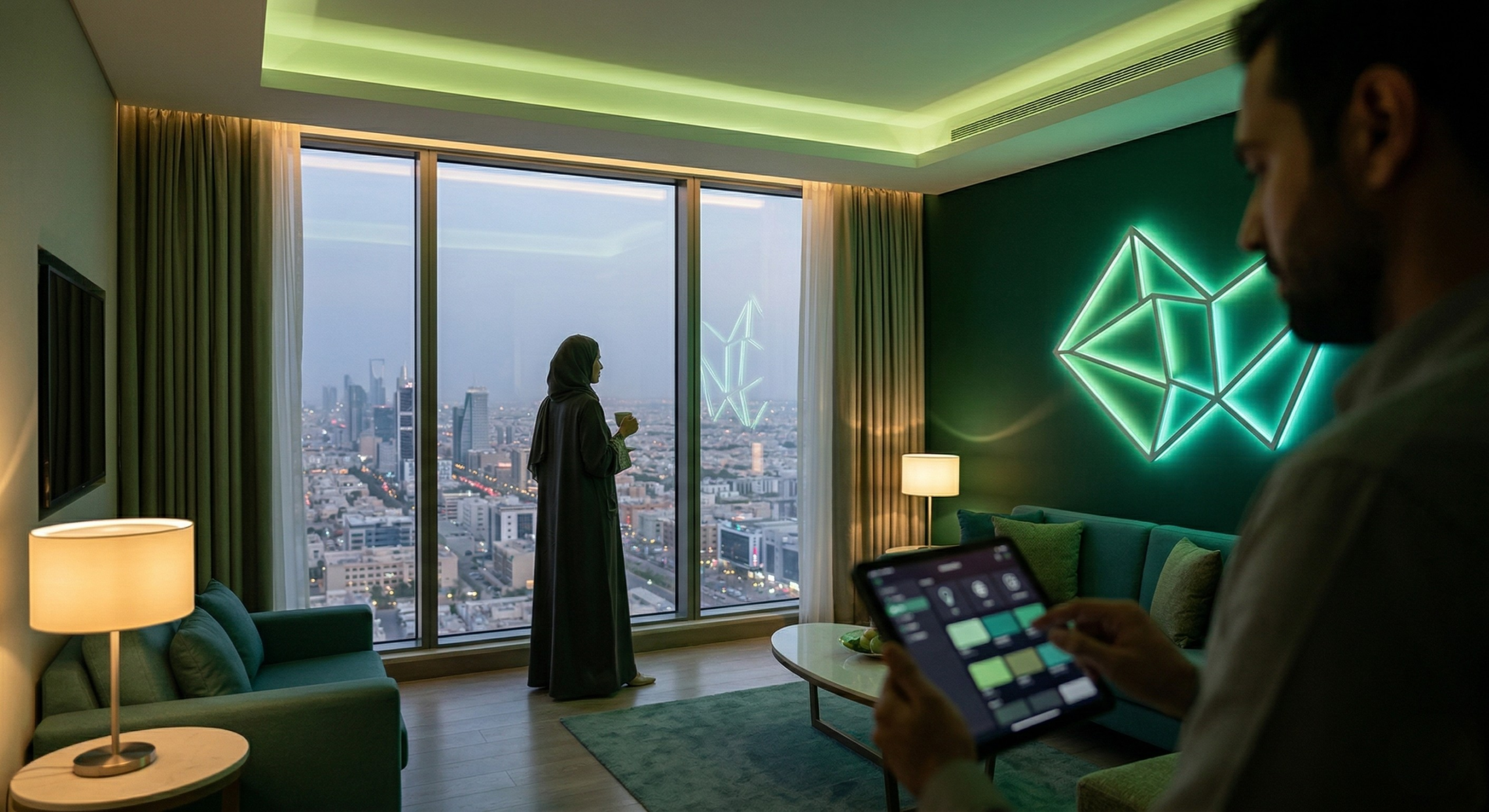
In the fiercely competitive landscape of modern hospitality, hotel lighting has evolved far beyond its basic functional purpose of simply keeping the darkness at bay. It is now widely recognised by industry leaders as a powerful, silent ambassador for a hotel’s brand, fundamentally shaping the initial perception of every visitor who walks through the doors. Industry research published by the International Association of Lighting Designers (IALD) consistently demonstrates that strategic illumination directly influences a visitor’s emotional state, their perceived value of the property, and ultimately, their likelihood of returning. This profound transformation from a mere mechanical utility to a crucial element of emotional engagement forms the bedrock of highly successful modern architectural strategies.
The Psychology of Light in Hospitality Design
Understanding the deep psychological impact of illumination is the absolute cornerstone of successful hospitality design in the contemporary global market. Light serves as an invisible, omnipresent guide, subtly directing guest attention, dictating the underlying mood, and encouraging specific, profitable behaviours within different zones of a property. According to comprehensive behavioral studies from the Cornell Center for Hospitality Research, properties that invest heavily in tailored visual environments report significantly higher customer satisfaction scores and noticeably increased revenue in their food and beverage outlets. Consequently, progressive developers and hoteliers must view their lighting fixtures not as static hardware, but as vital, dynamic instruments for ensuring profound psychological comfort.
Making a Lasting First Impression in the Lobby
The hotel lobby serves as the definitive, critical handshake between the brand and the traveller, making it the most important space for establishing an unforgettable guest experience. When weary, jet-lagged travellers arrive, the visual temperature and intensity of the lobby must instantly transition them from the high-stress chaos of travel into a welcoming sanctuary of relaxation and security. Standards established by the WELL Building Institute heavily emphasize the use of warm, deeply welcoming colour temperatures in reception areas to biologically trigger the release of relaxation hormones in the human brain. By masterfully executing this initial visual embrace, hoteliers set a highly positive, deeply comforting tone that effortlessly permeates the remainder of the guest’s stay.
Architectural Lighting as a Brand Signature
Beyond providing mere biological comfort, architectural lighting serves as the ultimate signature that visually differentiates a top-tier luxury property from its mundane competitors. By expertly and deliberately illuminating unique structural features, grand sweeping columns, or intricate, historic ceiling details, designers can dramatically elevate the perceived luxury and cultural context of the space. This strategic, highly focused highlighting creates a distinct, memorable visual identity that resonates deeply with modern visitors, actively encouraging them to capture and share their stunning surroundings on various social media platforms. Therefore, the masterful, strategic placement of light and shadow becomes a highly effective, entirely organic marketing tool that exponentially amplifies the property’s prestige.
Crafting the Perfect Ambiance Through Layered Illumination
Achieving a truly sophisticated, world-class ambiance requires a complete departure from flat, uniform illumination in favor of a meticulously planned, layered approach. Flat lighting strips a beautifully designed room of its inherent character and spatial depth, whereas layered illumination introduces rich texture, theatrical drama, and a profound sense of visual intrigue. By seamlessly combining ambient, task, and accent lighting, master designers create a dynamic visual hierarchy that naturally guides the eye and deeply flatters both the physical architecture and the human occupants within it. This multi-dimensional, highly technical approach is exactly what transforms a standard, forgettable hotel corridor or dining room into a captivating, immersive sensory environment.
The Core Principles of Atmospheric Lighting
The successful, flawless execution of atmospheric lighting relies entirely on perfectly balancing luminous intensity and direction to evoke a highly specific, targeted emotional response from the observer. Whether the ultimate design goal is to create a moody, romantic, and secluded setting in an intimate cocktail bar or a bright, highly energising atmosphere in a bustling morning breakfast café, the precise, unwavering control of glare and brightness is absolutely paramount. When amateur designers fail to adequately mitigate harsh, direct glare, the resulting acute visual discomfort immediately and permanently shatters the carefully constructed illusion of luxury and deep relaxation. Understanding this incredibly delicate visual balance leads us directly to question the mechanisms behind it.
As we have established the profound psychological and aesthetic importance of light in shaping the initial guest journey, a vital operational question arises for property developers. How can luxury hotels maintain these breathtaking, highly complex visual environments 24 hours a day without incurring astronomical utility bills or violating strict modern environmental regulations? In the second part of this comprehensive guide, we will transition from the art of illumination to the cutting-edge science behind it, exploring the digital revolution that is reshaping the operational reality of the hospitality sector.
The Technological Revolution in Hospitality Illumination
The dramatic shift from traditional, analog fixtures to highly advanced digital lighting is fundamentally rewriting modern hotel operational playbooks across the globe. Hoteliers are no longer forced to make the painful choice between creating stunning, world-class visual environments and maintaining highly manageable, predictable utility costs. Reports and comprehensive studies from the US Department of Energy (DOE) consistently highlight that commercial buildings can slash their lighting-related energy consumption by over sixty percent simply through strategic digital retrofits. This massive, undeniable reduction in overhead costs paves the way for the widespread, aggressive adoption of highly advanced, semiconductor-based illumination strategies that permanently alter the property’s financial trajectory.
Embracing LED Technology for Operational Excellence
The widespread integration of LED technology represents the single most significant operational upgrade currently available to modern property managers and real estate developers. Unlike legacy incandescent or halogen bulbs that waste vast amounts of costly electricity by generating unnecessary heat, light-emitting diodes convert power directly into brilliant, highly focused illumination. Financial analysts closely studying global hospitality trends note that the exceptionally long lifespan of these modern fixtures drastically reduces the frequency and cost of routine maintenance cycles, freeing up facility teams for more critical, guest-facing tasks. By virtually eliminating the constant, expensive cycle of manual bulb replacements, hotels can seamlessly redirect those substantial financial savings directly into enhancing the overall guest experience.
Maximizing Energy Efficiency Without Compromising Luxury
Achieving pinnacle energy efficiency must never come at the expense of the brand’s perceived luxury or the physiological comfort of the visiting traveler. In the past, early generations of eco-friendly bulbs notoriously produced cold, flickering, and deeply unflattering light that aggressively alienated premium guests and ruined the carefully curated atmosphere. Today, stringent compliance standards enforced by the Illuminating Engineering Society (IES) guarantee that top-tier, energy-saving fixtures render colors perfectly and dim smoothly, maintaining the exact warmth and richness expected in a prestigious five-star setting. This flawless, uncompromising marriage of high-end architectural aesthetics and rigorous power conservation perfectly sets the stage for the introduction of intelligent, automated management systems.
The Era of Smart Lighting Controls and Automation
The true, undeniable operational magic occurs when highly efficient LED fixtures are directly paired with highly sophisticated smart lighting controls and enterprise-grade software. These intelligent, network-connected systems permanently replace outdated, manual wall switches with automated digital brains that constantly monitor, analyze, and adjust the physical environment in real-time. Industry data reveals that incorporating discrete occupancy sensors and sophisticated daylight harvesting algorithms allows properties to automatically dim or entirely extinguish lights in vacant corridors and naturally bright lobbies, preventing entirely unnecessary power drain. Consequently, this level of granular, automated control fundamentally transforms the entire building into a highly responsive, self-optimizing ecosystem that practically runs itself.
Dynamic Environments Adapting in Real-Time
Beyond simple, bottom-line energy savings, centralized control networks empower hotel operators to effortlessly curate dynamic, shifting atmospheres that seamlessly adapt to the specific time of day or event. A grand ballroom, for example, can transition flawlessly from a brightly lit, highly focused corporate conference setup in the morning to an intimate, warmly glowing wedding reception by night, all managed through a single, intuitive touchscreen interface. Leading architectural and interior design firms heavily emphasize that this incredible visual versatility significantly maximizes the revenue-generating potential of multi-purpose event spaces, making the property far more attractive to a diverse, high-paying clientele. This powerful ability to manipulate the visual environment leads directly to one of the most exciting, scientifically backed advancements in modern hospitality: biologically optimized illumination.
Human-Centric Lighting for Enhanced Wellbeing
The strategic implementation of human-centric lighting is rapidly becoming a strictly non-negotiable standard for luxury brands genuinely dedicated to ultimate guest wellness and physiological comfort. This highly advanced, science-driven approach intentionally mimics the natural, daily progression of sunlight, subtly shifting indoor color temperatures and intensities throughout the day to actively support the human circadian rhythm. Medical research supported by the National Institutes of Health (NIH) confirms that exposure to cool, blue-enriched light in the morning biologically boosts alertness, while warm, amber light in the evening naturally stimulates melatonin production for deep, restorative sleep. By actively supporting the biological health, mood stability, and sleep quality of their visitors, hotels foster a profound sense of brand loyalty and significantly elevate their online reputation and global rankings.
Sustainability as a Core Business Strategy
Integrating these advanced, highly efficient digital technologies firmly positions the property as a definitive leader in global sustainability, a vital metric increasingly valued by today’s highly conscientious, eco-aware travelers. Modern consumers actively seek out, and are willing to pay a premium for, hospitality brands that demonstrate a genuine, verifiable commitment to drastically reducing their carbon footprint and actively protecting the natural environment. Global tourism surveys and market analyses consistently show a sharp, undeniable increase in both corporate and leisure bookings for hotels that proudly showcase verifiable green credentials and aggressive, technology-driven energy-saving initiatives. Therefore, investing capital in an intelligent, deeply eco-friendly infrastructure is no longer just a noble moral obligation; it is a highly lucrative, absolutely essential component of long-term commercial survival and market dominance.
Meeting Global Standards for Green Hospitality
Upgrading to intelligent, networked illumination is often the most direct, highly measurable, and cost-effective pathway for a hotel to successfully achieve prestigious, internationally recognized environmental certifications. Organizations that strictly award these highly coveted credentials rigorously evaluate a building’s baseline energy consumption, making comprehensive digital lighting retrofits a virtually mandatory hurdle for basic compliance. Earning top-tier certifications from esteemed, authoritative bodies like the US Green Building Council (USGBC) for LEED compliance not only definitively validates the property’s eco-friendly status to the public, but frequently qualifies the property owners for significant tax incentives, accelerated depreciation, and lucrative government rebates.
Having thoroughly explored the incredible operational efficiencies, profound biological benefits, and strict environmental imperatives of modern digital illumination in vast public spaces, we must now cross the threshold into the ultimate private sanctuary. How can forward-thinking hoteliers leverage these exact same powerful technologies to grant individual travelers absolute, intuitive control over their personal rooms, ensuring a flawless, highly customized end-of-day experience? In the third and final installment of this definitive guide, we will completely dissect the anatomy of the perfect guestroom lighting strategy and provide a highly actionable, executive-level roadmap for executing these transformative upgrades across your entire real estate portfolio.
The Guestroom Sanctuary: Personalizing the Private Experience
The private guestroom represents the ultimate, highly critical frontier in executing a flawless hospitality design strategy. When a weary traveler finally retreats to their room after a long, exhausting day of corporate meetings or vibrant sightseeing, they immediately seek a personalized, deeply comforting environment that they can effortlessly control. According to recent hospitality trend reports published by Forbes Travel Guide, luxury properties that offer advanced, intuitive in-room personalization consistently receive the highest possible marks for overall guest experience. Giving the visitor absolute agency over their physical environment fundamentally shifts the dynamic from a standard, rigid hotel stay to a truly bespoke, memorable retreat tailored to their exact biological needs.
Intuitive Interfaces for Ultimate Comfort
To achieve this supreme level of personalization, forward-thinking hoteliers are rapidly installing highly intuitive, bedside smart lighting controls that permanently replace confusing banks of traditional switches. Through elegant, backlit touchpads or seamlessly integrated mobile applications, guests can instantly select pre-programmed “sleep,” “work,” or “relax” scenes without ever having to leave the luxurious comfort of their mattress. Industry surveys conducted by the American Society of Interior Designers (ASID) confirm that providing users with immediate, frictionless control over their surroundings significantly reduces travel anxiety and dramatically boosts psychological comfort. This seamless, highly tactile interaction not only delights the user but completely eliminates the frustrating, age-old problem of hunting for the correct light switch in an unfamiliar, darkened room.
Balancing Task and Atmospheric Lighting in Private Quarters
Within these intimate private quarters, the delicate balance between highly functional task illumination and deeply relaxing atmospheric lighting must be flawlessly executed to ensure total satisfaction. High-CRI (Color Rendering Index) fixtures installed at the bathroom vanity ensure guests look and feel their absolute best, while soft, glare-free reading lamps provide focused illumination without disturbing a sleeping partner nearby. Top-tier architectural designers writing for Architectural Digest frequently emphasize that carefully layering these specific, targeted light sources prevents visual fatigue and actively promotes a restful, deeply rejuvenating environment. By meticulously refining these intimate visual details, the brand silently communicates a profound, unwavering commitment to the individual’s well-being, paving the way for immense brand loyalty.
The Financial Blueprint: Maximizing ROI on Digital Upgrades
Beyond the undeniable aesthetic triumphs and physiological benefits, upgrading a property’s hotel lighting infrastructure is a highly lucrative, fundamentally sound financial investment that aggressively protects the bottom line. The immediate, massive reduction in daily operational expenditure (OPEX) generated by advanced LED technology practically guarantees a remarkably short, highly predictable return on investment timeline for cautious property owners. Financial analysts at major global real estate firms like CBRE report that commercial buildings outfitted with intelligent, automated systems consistently command higher RevPAR (Revenue Per Available Room) and experience significantly lower vacancy rates. This powerful, undeniable financial reality firmly moves illumination from a basic maintenance expense column into a strategic, revenue-generating asset category on the corporate balance sheet.
Long-Term Value Creation and Asset Appreciation
This robust, forward-thinking approach to property management directly drives long-term asset appreciation and secures the hotel’s dominant, highly lucrative market position for the foreseeable future. By visibly championing sustainability and uncompromising energy efficiency, real estate developers successfully future-proof their expansive portfolios against increasingly stringent environmental regulations and volatile global utility costs. Furthermore, incorporating advanced, holistic strategies like modern smart interior design elements ensures the physical property remains deeply relevant, highly competitive, and technologically capable for decades to come. With the financial justification thoroughly solidified and the ROI clearly mapped out, executive management teams can confidently pivot their immediate focus toward the actual, physical execution of these massive technological overhauls.
An Executive Roadmap for Flawless Implementation
Executing a flawless, highly complex technological upgrade across an active, fully operational hotel requires an incredibly meticulous, rigorously structured deployment methodology to prevent disastrous revenue loss. Rushing to install sophisticated digital hardware without a cohesive, overarching digital strategy inevitably results in fragmented, frustrating user experiences that completely negate the promised financial and aesthetic benefits. The Project Management Institute (PMI) strictly advises that large-scale infrastructure overhauls must be deliberately broken down into highly manageable, thoroughly tested phases to guarantee ultimate operational success and prevent severe downtime. To achieve this seamless, highly lucrative digital integration without ever disturbing paying guests, facility directors must rigidly adhere to three non-negotiable execution steps:
- Comprehensive Infrastructure Auditing: Conduct a highly granular, room-by-room analysis of existing electrical loads and structural capabilities to ensure the physical environment can actually support high-speed digital communication networks.
- Isolated Pilot Program Deployment: Install the proposed digital luminaires and sensor networks in a single, isolated test zone or floor to rigorously validate software programming and fine-tune occupant comfort levels before a wider rollout.
- Full-Scale Integration and Commissioning: Roll out the finalized, thoroughly tested hardware globally, seamlessly linking the illumination network directly into the central HVAC and property management systems for maximum, automated efficiency.
Conclusion: Illuminating the Future of Hospitality
The global architectural narrative has fundamentally and permanently shifted away from passive, static structures toward highly interactive, brilliantly intelligent spatial environments that actively respond to human presence. Hotel brands that boldly embrace the profound, undeniable power of advanced human-centric lighting will cultivate highly lucrative spaces that actively promote wellness, drastically reduce carbon footprints, and generate absolutely unparalleled financial returns. By treating commercial illumination as a dynamic, deeply intelligent digital resource rather than a simple, necessary utility, visionary developers are actively authoring the incredibly exciting next chapter of global real estate. Ultimately, whoever masterfully controls the intelligent flow of light firmly controls the entire operational narrative, immense financial value, and long-term success of the modern hospitality space.