
Facade Lighting Design: Turning Buildings Into Icons
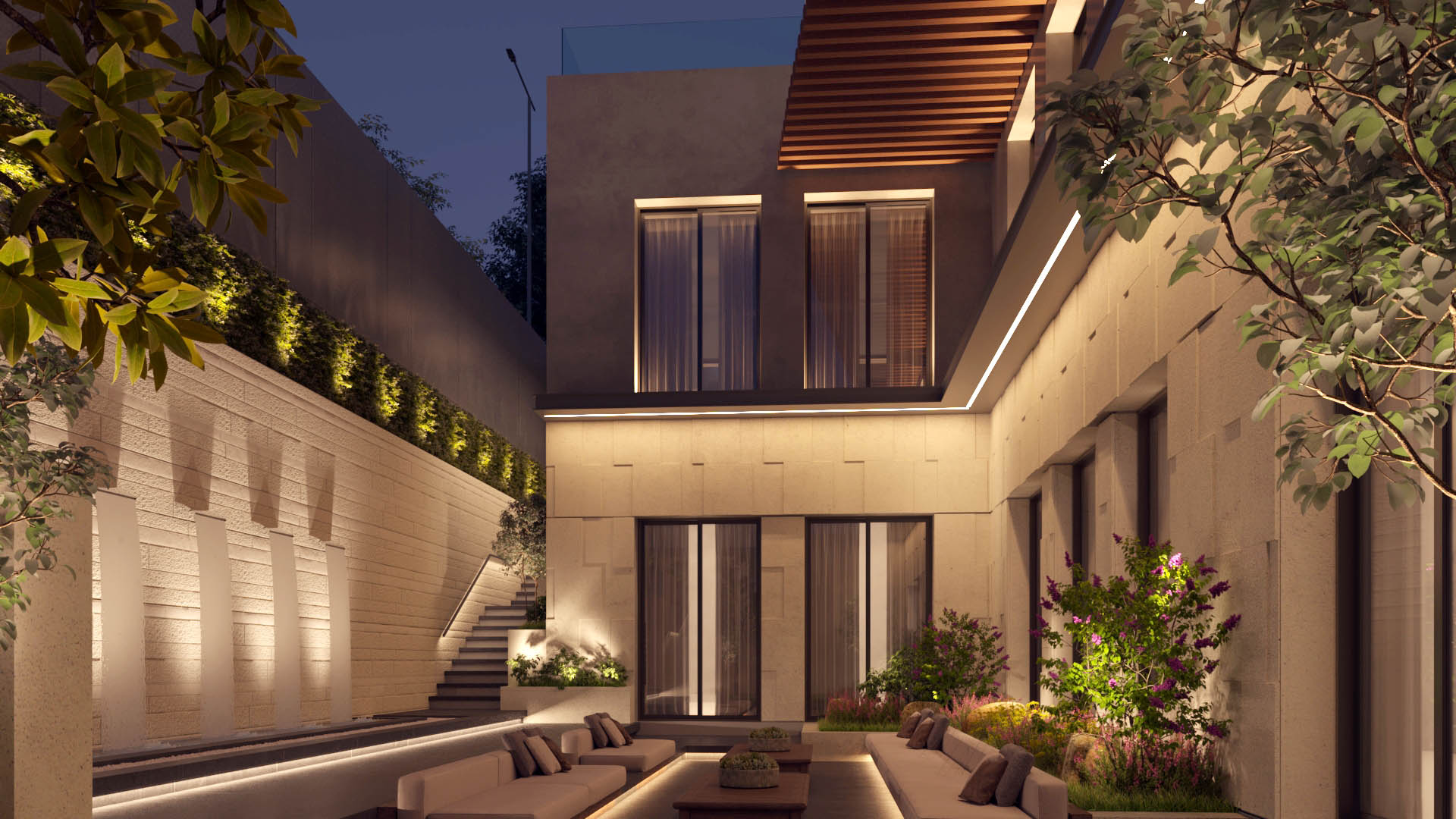
Have you ever walked past a building at night and been captivated by its glow, colors, and the way light highlighted its details—long before stepping inside? Whether it’s a hotel, a store, or a simple office block, the lighting of its façade can transform it into a stunning piece of art that leaves a lasting impression. This is the essence of facade lighting design, where a building evolves from a mere structure into a visual icon that tells a story and leaves a permanent mark.
In this article, we will explore in detail how facade lighting design enhances architectural identity, the difference between random lighting and professionally designed schemes, and the latest technologies shaping this field.
Why is façade lighting important for architectural identity?
Lighting is not just a practical tool for nighttime visibility—it is a design element in its own right. Through a carefully planned facade lighting design, buildings can reflect their identity and highlight their unique features.
Key roles of façade lighting in identity:
- Highlighting architectural details: Columns, arches, balconies, and decorative motifs that fade during the day come to life at night with targeted lighting.
- Creating a distinctive visual identity: A luxury hotel may use warm golden lighting to reflect opulence, while a modern retail store might rely on dynamic, color-changing lights to express innovation and energy.
- Adding depth and dimension: Light and shadow reshape the building visually, transforming the façade into a dynamic canvas.
- Standing out in urban environments: In crowded cityscapes, a professionally illuminated façade makes a building a focal point that captures attention.
- Enhancing functionality: Corporate buildings may rely on formal white lighting, while entertainment venues favor colorful, playful tones.
In short, facade lighting design acts as a building’s visual signature—one that cannot be ignored.
What’s the difference between random and professional lighting?
Some believe that simply installing a few spotlights on a façade is enough, but the difference between haphazard lighting and a professionally crafted facade Architectural Lighting design is vast.
Random lighting:
- Uneven distribution that leaves some areas overly bright and others in shadow.
- Use of unsuitable Architectural Lighting units in terms of color or intensity.
- Excessive energy consumption due to lack of planning.
- Distorts rather than highlights architectural details.
- Creates a negative impression that signals poor planning.
Professional lighting design:
- Begins with a thorough architectural study of the building and its surroundings.
- Employs digital simulation tools to plan light distribution before installation.
- Selects appropriate units based on intensity, color, and beam angles.
- Balances aesthetics with functionality by emphasizing architectural strengths.
- Saves energy with sustainable, smart solutions.
The essential difference is this: professional façade lighting transforms buildings into landmarks, while random lighting wastes energy and undermines aesthetics.
What are the latest façade lighting design technologies?
The field of facade lighting design has seen tremendous advancements thanks to technology, offering designers endless possibilities to make buildings shine like works of art. Key modern technologies:
- LED lighting:
- Highly energy-efficient.
- Long lifespan, reducing maintenance costs.
- Flexible in color, intensity, and distribution.
- Highly energy-efficient.
- Color-changing systems (RGB/RGBW):
- Allows dynamic shifts in colors to suit events or corporate branding.
- Ideal for hotels, retail outlets, and entertainment landmarks.
- Allows dynamic shifts in colors to suit events or corporate branding.
- Projection mapping:
- Projects images or videos directly onto façades.
- Transforms buildings into giant screens for interactive shows.
- Popular in national celebrations and major events.
- Projects images or videos directly onto façades.
- Light strips:
- Highlight building edges and lines in a sleek way.
- Commonly used for skyscrapers and commercial towers.
- Highlight building edges and lines in a sleek way.
- Dynamic lighting:
- Adjusts automatically based on time or occasion.
- Adds vibrancy and movement to façades.
- Adjusts automatically based on time or occasion.
These innovations position facade lighting design as both an aesthetic and functional tool that elevates the value of any building.
How does lighting influence visitors and customers?
Lighting is not just decorative; it shapes how people experience a building from the very first glance. With well-planned facade lighting design, a building communicates its values and quality without words.
Effects of lighting on perception:
- First impressions: A professionally lit façade conveys elegance and attention to detail, creating expectations of a refined experience inside.
- Guidance: Lighting directs visitors to entrances, exits, and pathways, improving navigation and accessibility.
- Psychological comfort: Warm lighting conveys hospitality and comfort, while cooler tones project professionalism and efficiency.
- Attracting more visitors: Stores with appealing façade lighting attract more foot traffic than competitors.
- Brand building: Hotels and restaurants with distinctive façades often become recognizable icons, shared widely on social media, strengthening their brand identity.
Thus, facade lighting design becomes a strategic marketing investment, as impactful as interior décor or advertising campaigns.
How does façade lighting support sustainability?
In today’s world, with growing environmental awareness and rising energy costs, façade lighting must balance beauty with sustainability.
Sustainability in lighting design includes:
- High-efficiency LED systems that significantly reduce electricity consumption.
- Smart control systems with sensors to adjust lighting as needed.
- Solar-powered solutions to reduce reliance on grid electricity.
- Minimizing light pollution by targeting illumination precisely where needed.
- Eco-friendly materials in lighting unit production.
These solutions ensure that facade lighting design delivers not only beauty but also aligns with green building practices and long-term efficiency.
In conclusion, facade lighting design is far more than an aesthetic touch—it’s a means to highlight architectural identity, attract visitors, and strengthen brand presence, while promoting sustainability and energy efficiency. With the expertise of DTS Architectural Lighting Design, your project will be more than just a well-lit building; it will be a complete visual icon that reflects your vision and leaves a lasting impression.