
Transforming Outdoor Spaces Through Strategic Landscape Lighting
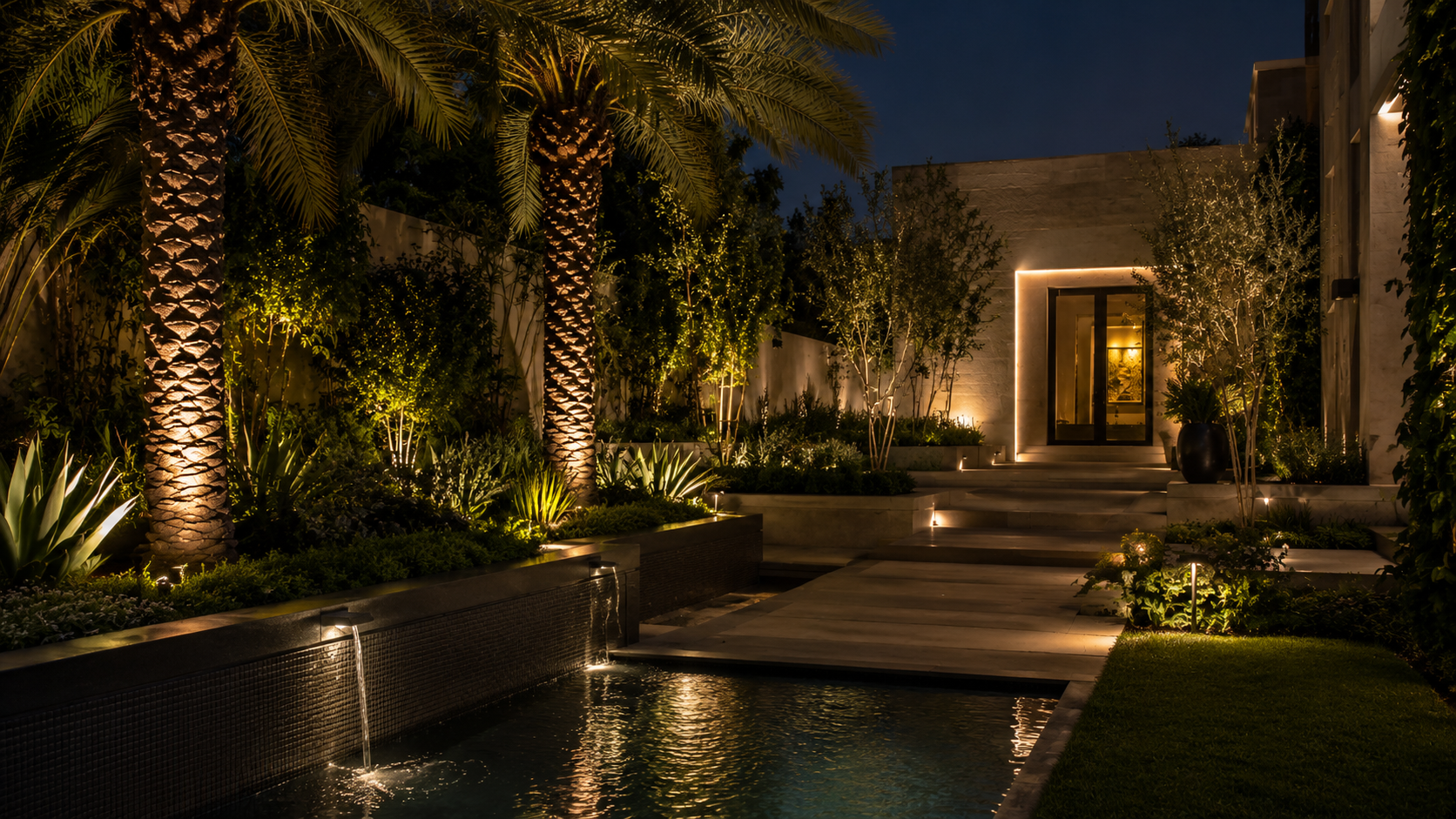
Landscape lighting is the essential, dynamic bridge between a property’s daytime architecture and its mesmerizing nighttime allure. When the sun sets, even the most meticulously designed gardens and building exteriors completely disappear into the shadows without a highly strategic, professional illumination plan. According to the American Society of Landscape Architects (ASLA), expertly designed exterior lighting can increase a residential or commercial property’s perceived value by up to twenty percent, proving it is a vital structural investment rather than a mere decorative afterthought. This profound intersection of aesthetic beauty and undeniable financial value perfectly sets the stage for understanding the transformative power of outdoor illumination. As highlighted in discussions surrounding the transformative power of artistic lighting, shaping the nocturnal environment requires a masterful blend of technical engineering and pure, unadulterated artistic vision.
Crafting the Perfect Outdoor Ambiance
The fundamental goal of any exterior design project is to cultivate a deeply inviting outdoor ambiance that seamlessly extends the livable square footage of a property well into the night. Simply floodlighting a backyard with glaring, high-intensity bulbs completely destroys the natural tranquility of the space, creating a harsh, uncomfortable, stadium-like environment. Top-tier lighting design consultants utilize a highly refined, layered approach, carefully balancing soft environmental glows with striking focal points to create a harmonious, deeply relaxing atmosphere. Achieving this delicate, masterful visual balance naturally leads designers to strategically categorize the specific elements of the yard they wish to emphasize, starting with the organic life thriving within it.
Mastering Garden Accent Lighting
To breathe vibrant life into organic elements after dark, designers rely heavily on garden accent lighting to showcase the unique, intricate textures and colors of the local flora. By positioning specialized optical fixtures directly at the base of majestic oak trees or angling them to graze the surface of ornamental shrubs, professionals can dramatically sculpt the landscape with breathtaking shadows and highlights. Professional guidelines established by the International Association of Lighting Designers (IALD) heavily emphasize that subtle, indirect uplighting techniques prevent blinding glare while adding immense visual depth to outdoor canvases. While beautifully illuminating natural greenery provides the romantic, aesthetic soul of the garden, securing the physical safety of the perimeter remains an equally critical, non-negotiable design mandate.
The Crucial Role of Path and Security Lighting
A masterful exterior design flawlessly integrates elegant path lighting to safely guide residents and guests through the property without ever compromising the overarching aesthetic vision. Utilizing low-profile, downward-facing fixtures prevents hazardous trips and falls along winding stone walkways, all while aggressively protecting the night sky from unnecessary, blinding light pollution. The International Dark-Sky Association (IDA) champions these shielded fixture designs, which simultaneously satisfy strict Illuminating Engineering Society (IES) mandates for robust security lighting that effectively deters trespassers without resembling a sterile prison yard. Once the ground-level pathways are safely and beautifully illuminated, the designer’s eye naturally travels upward toward the towering, built structures of the property itself.
Elevating Structures with Architectural Highlighting
Implementing precise, highly calculated architectural highlighting ties the sprawling natural landscape directly to the primary residence or commercial building, creating a unified, highly cohesive visual identity. Grazing textured brickwork, illuminating grand entrance columns, or silhouetting striking rooflines ensures that the main building remains the proud, glowing anchor of the property at night. As explored in comprehensive analyses of facade lighting design, washing structural walls with warm, controlled light completely transforms ordinary buildings into captivating, three-dimensional artworks that command attention. To firmly ground these majestic, illuminated structures back into the surrounding earth, engineers must also address the functional built environments found throughout the yard itself.
Seamless Integration of Hardscape Illumination
Integrating hardscape illumination into retaining walls, stone staircases, and sprawling outdoor kitchens adds a crucial, highly desirable layer of functional luxury to the outdoor living experience. By strategically embedding discreet, heavy-duty weather-resistant fixtures directly into the masonry during the initial construction phase, designers entirely eliminate visual clutter during the day while providing a seamless, glowing perimeter at night. The National Association of Landscape Professionals (NALP) frequently notes that seamlessly integrated hardscape lighting significantly increases the usability and safety of outdoor entertainment zones long after the sun has set.
With the aesthetic, architectural, and functional foundations of the landscape now beautifully established, the conversation must inevitably shift toward the advanced technology silently powering these complex exterior networks. How do engineers safely run electricity through wet, unpredictable environments, and what modern digital tools are used to control these sprawling systems? In Part 2 of this comprehensive guide, we will dive deeply into the engineering marvels of low-voltage systems, the undeniable power of energy-efficient LEDs, and the rise of smart outdoor automation.
The Engineering Backbone: Powering the Outdoor Canvas
Modern exterior illumination relies entirely on sophisticated, safe power distribution architectures rather than outdated, highly dangerous high-voltage line wiring. Running standard household electrical current directly through wet soil, garden beds, and heavily trafficked outdoor entertainment zones poses a massive, completely unacceptable electrocution risk to both humans and pets. The National Fire Protection Association (NFPA) strictly regulates outdoor electrical installations, heavily favoring modern step-down transformers to actively mitigate these severe safety hazards. This critical, industry-wide shift in electrical engineering directly paved the way for the universal adoption of specialized, highly flexible low-voltage infrastructure.
Ensuring Absolute Safety with Low-Voltage Systems
Implementing robust low-voltage systems is the non-negotiable industry standard for safely powering expansive outdoor architectural and garden networks today. By converting lethal 120-volt household current down to a harmless 12-volt or 15-volt output, engineers guarantee that accidental cable severing by a rogue garden shovel will never result in a fatal shock. Leading experts specializing in architectural lighting design rely exclusively on this safe, highly adaptable cabling to weave intricate networks around delicate tree roots and water features without demanding deep, destructive trenching. Beyond the incredible safety benefits, this specialized low-voltage framework perfectly accommodates the specific, highly efficient electrical requirements of today’s most advanced diode technology.
Maximizing ROI with Energy-Efficient LEDs
The professional landscape industry has completely abandoned hot, fragile halogen bulbs in favor of highly advanced, energy-efficient LEDs, fundamentally revolutionizing both aesthetic output and financial viability. Solid-state diodes consume a mere fraction of the electricity required by legacy incandescent sources, dramatically lowering monthly utility bills even when massive estates are illuminated continuously from dusk until dawn. Comprehensive data provided by the U.S. Department of Energy (DOE) confirms that upgrading to commercial-grade outdoor LEDs slashes baseline exterior energy consumption by up to eighty percent while lasting tens of thousands of hours longer. This exceptional longevity and drastically reduced thermal output are incredibly vital when sensitive fixtures are buried directly in soil or continuously exposed to the harsh, unpredictable realities of nature.
Battling the Elements with Weather-Resistant Fixtures
The physical hardware deployed in an exterior environment must be extraordinarily rugged, demanding the use of heavy-duty weather-resistant fixtures designed to survive decades of brutal environmental abuse. Cheap plastic housings or thin aluminum casings quickly degrade, crack, and fail when subjected to torrential rain, freezing snow, corrosive coastal salt spray, and intense, daily UV radiation. When analyzing the common mistakes of ignoring a lighting design company, professionals consistently point out that purchasing unsealed, unrated consumer-grade fixtures inevitably leads to catastrophic water ingress and total system failure within the very first year. Elite designers exclusively specify solid marine-grade brass or heavy cast copper fixtures boasting high Ingress Protection (IP) ratings to guarantee an uncompromising, lifelong seal against the elements.
Orchestrating the Night with Smart Outdoor Controls
The frustrating days of relying on unreliable, mechanical dial timers are officially over, entirely replaced by the seamless, highly intuitive automation of smart outdoor controls. These advanced, cloud-connected digital hubs allow homeowners and property managers to command their entire exterior environment via a smartphone application, instantly adjusting brightness zones or changing diode colors for specific holidays. By integrating intelligent astronomical timers that automatically adjust to daily sunset shifts year-round, these systems align perfectly with the modern lighting technology trends dominating the high-end real estate market today. This sophisticated digital orchestration provides the ultimate user experience, but it also introduces the final, most crucial logistical challenge for property developers and landscape architects alike.
With the unyielding brass hardware selected, the low-voltage transformers calculated, and the digital automation hubs fully programmed, a monumental execution hurdle remains. How do installation teams physically bury this vast network of wires and heavy fixtures without tearing up existing, highly manicured lawns or cracking expensive stone hardscaping? In the third and final part of this definitive guide, we will unveil the strategic execution plan required for a flawless, completely non-destructive landscape installation.
The Strategic Execution: Flawless and Non-Destructive Installation
Executing a massive exterior illumination project requires a highly surgical methodology to protect the mature, manicured roots of existing flora and avoid cracking expensive stone patios. Trenching haphazardly through a finished yard creates catastrophic aesthetic damage and severely stresses ancient root systems, inevitably leading to costly landscaping replacements down the road. The American Society of Consulting Arborists (ASCA) advises strict adherence to tree protection zones during any subterranean electrical trenching to preserve the long-term health of the garden. By adopting a methodical, non-invasive approach, installation teams ensure the property remains completely pristine, seamlessly bridging the gap between raw construction requirements and the final, refined artistic vision.
The Critical Need for Professional Engineering Oversight
Partnering with specialized engineering professionals is the single most effective insurance policy against compromised outdoor aesthetics and disastrous subterranean wiring failures. When property developers review the criteria for choosing a lighting design office, they quickly realize that true exterior experts mathematically calculate voltage drop across long cable runs to prevent dimming at the far edges of the estate. These dedicated professionals act as the crucial bridge between the landscape architect’s creative vision and the strict, unforgiving realities of outdoor electrical safety codes. This high-level technical stewardship highlights exactly why you need a lighting design company with deep cross-disciplinary expertise to successfully navigate the notoriously complex outdoor installation phase.
The Three-Phase Landscape Deployment Strategy
To guarantee that the physical installation perfectly honors the natural landscape while seamlessly integrating modern low-voltage systems, elite teams rely on a highly disciplined deployment sequence. Bypassing any of these critical phases inevitably leads to logistical nightmares, severed irrigation lines, and poorly aimed garden accent lighting that blinds guests rather than enchanting them. By treating the entire installation as a delicate botanical surgery, project leaders successfully execute their ultimate vision through these three distinct, non-negotiable phases:
- Forensic Site Mapping: Utilizing advanced ground-penetrating radar and existing irrigation blueprints to meticulously map safe subterranean corridors for the fragile low-voltage cabling.
- Surgical Trenching and Mounting: Employing specialized slit-trenching tools that gently part the turf without removing soil, allowing for the precise placement of hardscape illumination and heavy brass fixtures.
- Nighttime Calibration: Returning after dark to meticulously aim the optical lenses, eliminate hazardous glare, and program the smart outdoor controls to ensure the perfect outdoor ambiance.
Finalizing the Vision with Precise Nighttime Calibration
The most critical, yet frequently overlooked, step of the entire exterior project occurs only after the sun has completely set and the heavy installation tools are packed away. Designers must physically walk the property in total darkness to fine-tune the aiming angles of every single fixture, ensuring the architectural highlighting grazes the masonry perfectly without spilling unwanted light into second-story bedroom windows. The International Dark-Sky Association (IDA) champions this rigorous final calibration to actively minimize urban skyglow while guaranteeing that robust security lighting remains highly effective against intruders. This final, obsessive attention to detail ensures the property is both completely safe to navigate and visually breathtaking from every possible vantage point.
Conclusion: Illuminating the Future of Your Landscape
As we conclude this definitive exploration into exterior design, it is profoundly clear that mastering light is the ultimate key to unlocking a property’s hidden nocturnal potential. We have moved far beyond the days of simple, glaring floodlights, entering an awe-inspiring era where sophisticated, energy-efficient LEDs and intelligent digital ecosystems actively adapt to our exact human needs. The profound integration of robust weatherproofing, safe low-voltage infrastructure, and uncompromising artistic vision has forever changed the trajectory of high-end landscape architecture. Whether designing a serene backyard sanctuary or illuminating a sprawling commercial estate, the way we light our exteriors directly dictates the quality, safety, and joy of our outdoor lives.
The future of the built environment belongs exclusively to those who recognize that a property does not end at the exterior walls of the house, but extends infinitely into the night. By embracing sophisticated engineering strategies and partnering with visionary technical experts, developers and homeowners can transform dark, unusable yards into dynamic, living masterpieces. Ultimately, investing in world-class exterior illumination is a powerful investment in human safety, environmental sustainability, and undeniable architectural legacy. Step boldly into the illuminated night, and let your outdoor spaces shine with unprecedented brilliance and profound, lasting purpose.