
The Ultimate Guide to Decorative Lighting: Elevating Interior Aesthetics
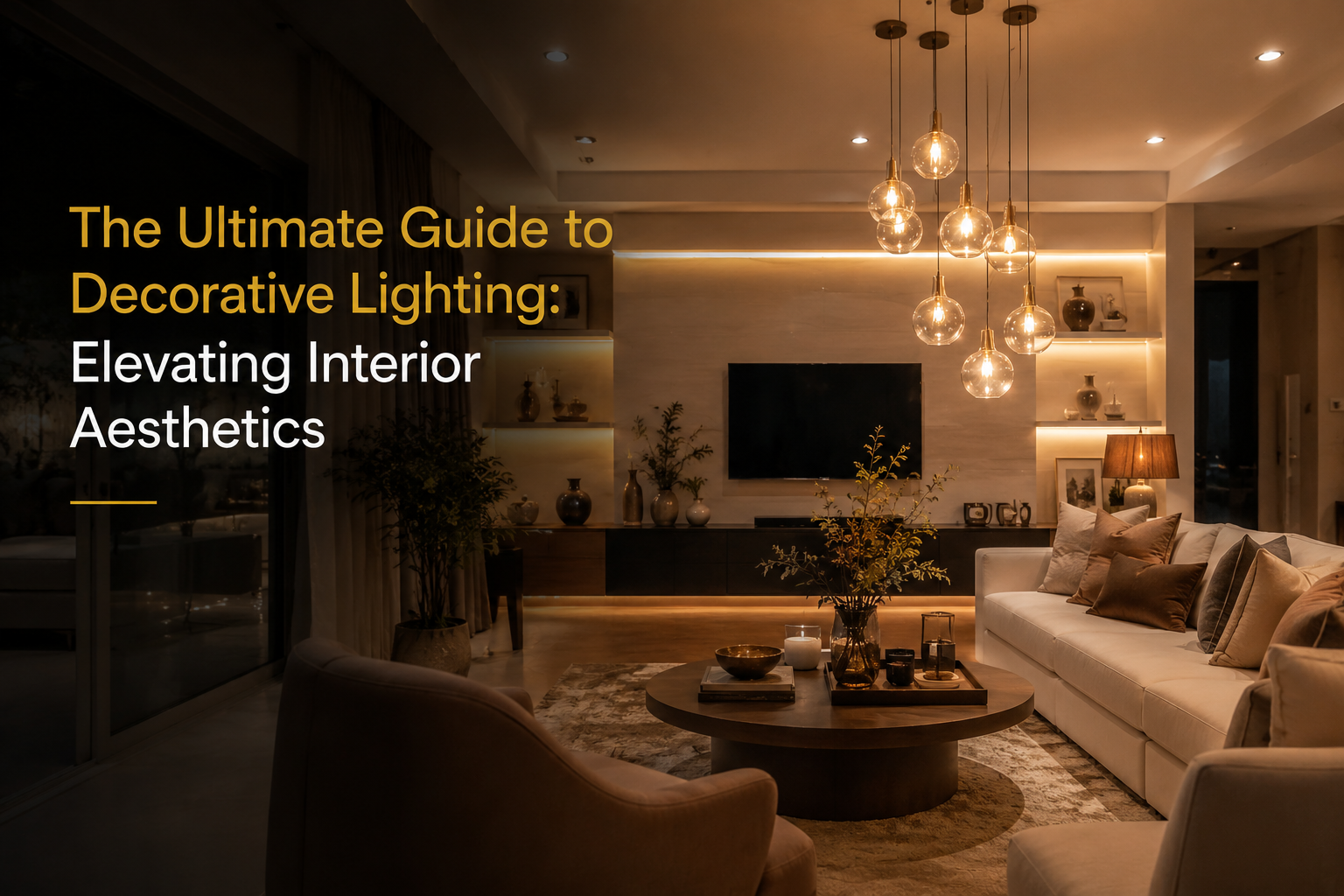
Decorative lighting serves as the crowning jewel of any interior space, transforming pure architecture into a warm, lived-in experience. While base illumination provides the necessary visibility for daily tasks, decorative elements establish the fundamental character and interior aesthetics of a room. According to the American Society of Interior Designers (ASID), spaces that successfully integrate ornamental illumination report significantly higher occupant satisfaction and perceived property value. This profound impact on human perception naturally leads top designers to prioritize bold, captivating luminaires when conceptualizing a new residential or commercial environment.
The Power of Statement Fixtures in Modern Design
The strategic placement of statement fixtures immediately dictates the visual hierarchy and energetic flow of a modern room. By intentionally drawing the eye upward or toward a specific gathering space, these oversized or intricately designed pieces establish an undeniable visual focal point that anchors the surrounding furniture. As explored in comprehensive discussions regarding architectural lighting, successfully marrying structural elements with bold, artistic lighting choices prevents large rooms from feeling cavernous or disconnected. Achieving this perfect balance often requires moving beyond mass-produced options and embracing the world of highly specialized, functional art.
Sculptural Lighting as Functional Art
Embracing sculptural lighting allows interior architects to blur the distinct lines between practical utility and high-end gallery installations. These exquisite pieces provide necessary illumination while serving as breathtaking, three-dimensional artworks that command absolute attention even when the bulbs are completely switched off. The International Association of Lighting Designers (IALD) frequently champions this sophisticated approach, noting that integrating artistic luminaires directly elevates the emotional resonance and cultural depth of high-end projects. To achieve this unmatched level of exclusivity, luxury developers and elite homeowners increasingly turn to custom-engineered manufacturing solutions.
Commissioning Bespoke Illumination
The absolute pinnacle of interior design is frequently achieved through the commissioning of bespoke illumination tailored to a specific architectural narrative. Custom fabrications allow designers to specify precise dimensions, select rare organic materials, and demand luxury finishes like hand-rubbed antique brass or mouth-blown Murano glass that mass manufacturers simply cannot replicate. Partnering with an expert interior lighting design company ensures that these highly specialized, one-of-a-kind installations are both structurally sound and photometrically flawless. Once the physical form of the fixture is perfectly sculpted, the engineering focus must immediately shift to the delicate quality of the light it actually emits into the space.
Crafting the Perfect Atmosphere with Ambient Glow
The physical beauty of a chandelier or wall sconce is ultimately defined and judged by the soft, ambient glow it casts across the surrounding architectural surfaces. If a stunning fixture emits a harsh, clinical glare, it instantly shatters the intended atmosphere and renders the expensive hardware visually repulsive to the room’s occupants. Strict guidelines established by the Illuminating Engineering Society (IES) emphasize the absolute necessity of utilizing proper frosted diffusers and warm color temperatures to achieve genuine mood enhancement in hospitality and residential settings. This careful, scientific manipulation of light output allows designers to play masterfully with shadows, creating a profound psychological impact through strategic spatial highlighting.
The Psychological Impact of Accentuation
The deliberate accentuation of specific room features through decorative fixtures subtly manipulates the subconscious psychological experience of the guest. Whether casting a warm, inviting pool of light over a dark mahogany dining table or washing a highly textured feature wall with a gentle glow, these targeted beams directly guide human emotion and social behavior. Insightful studies exploring the psychology of lighting and its impact on purchasing decisions prove that masterfully controlled atmospheres drastically increase consumer dwell times and perceived physical comfort. Understanding this powerful psychological connection sets the perfect stage for exploring the specific categories of fixtures used to craft these enchanting, multi-layered environments, which will be detailed in the next segment of this comprehensive guide.
Categorizing the Arsenal of Decorative Illumination
To effectively craft these enchanting, multi-layered environments, designers must utilize a diverse arsenal of highly specific decorative fixtures, each serving a unique aesthetic and functional purpose. Rather than relying on a single, overpowering overhead source, professional specifiers weave together a rich tapestry of suspended, wall-mounted, and freestanding elements to build dynamic visual interest. The Lighting Research Center (LRC) confirms that deploying multiple fixture typologies within a single space drastically reduces visual fatigue and creates a highly adaptable, human-centric atmosphere. This deliberate, layered methodology guarantees that every corner of the room contributes to the overall interior aesthetics, paving the exact way for the most dominant and recognizable player in the decorative hierarchy.
The Majesty of Suspended Chandeliers and Pendants
Suspended fixtures, encompassing both grand, traditional chandeliers and sleek, modern linear pendants, universally serve as the undeniable crowning achievements of elevated interior spaces. These commanding statement fixtures descend gracefully from the ceiling to physically occupy the empty vertical volume of a room, brilliantly bridging the awkward gap between towering architecture and ground-level furnishings. By positioning a breathtaking chandelier directly above a formal dining table or a sweeping grand staircase, designers establish a powerful visual focal point that instantly organizes the spatial geometry of the entire room. When consulting expert lighting design companies, developers quickly discover that selecting these suspended centerpieces is the most critical aesthetic decision in establishing the property’s overarching design narrative.
Choosing the Right Scale and Proportion
The ultimate success of a suspended luminaire relies almost entirely on the interior architect’s ability to perfectly calculate scale and structural proportion relative to the surrounding environment. Hanging a delicate, undersized pendant in a cavernous, two-story hotel atrium completely nullifies its visual impact, while cramming a massive, heavy brass chandelier into a low-ceilinged residential lounge induces feelings of deep spatial claustrophobia. The American Institute of Architects (AIA) provides rigorous dimensional guidelines to ensure that these hanging installations maintain appropriate head clearance and harmonious balance within any given volumetric space. Mastering this precise mathematical sizing ensures the piece commands profound respect without ever overwhelming the room’s occupants, naturally leading the eye toward the supporting cast of the lighting scheme.
The Nuance of Wall Sconces and Vertical Illumination
While grand chandeliers proudly dominate the center of the room, sophisticated wall sconces provide the essential, nuanced vertical illumination that gently pushes the walls outward, making the space feel significantly larger and more expansive. These elegant, often understated fixtures cast a warm, flattering ambient glow directly at eye level, eliminating harsh shadows on the human face and providing crucial, beautiful wayfinding light in long residential corridors. Leading designers frequently utilize these vertical applications as exquisite pieces of sculptural lighting, selecting asymmetrical shapes or bold organic forms that act as beautiful wall art during the daylight hours. This intelligent, dual-purpose functionality perfectly aligns with the core principles of human-centric design, ensuring the physical hardware enhances the environment regardless of whether the bulbs are actively glowing.
Enhancing Textures with Grazing Techniques
The highly strategic placement of wall-mounted decorative fixtures allows designers to execute brilliant grazing techniques, a specialized optical method that uses tight beams of light to dramatically highlight the rich textures of vertical surfaces. By positioning a sleek metallic sconce mere inches from a rough stone fireplace or a highly textured, slatted acoustic panel, the resulting downward light creates deep, rich shadows that emphasize the tactile ridges of the architecture. This targeted accentuation transforms otherwise flat, uninteresting drywall into a captivating, highly dynamic visual canvas that shifts and changes organically as guests move throughout the room. To achieve this level of intricate detailing and shadow play, the physical materials comprising the fixtures themselves must be carefully evaluated to ensure they perfectly complement the surrounding architectural finishes.
The Interplay of Materials and Luxury Finishes
The profound emotional impact of any decorative luminaire is inextricably linked to the raw materials and specific luxury finishes chosen during its meticulous fabrication and assembly process. High-end, luxury interiors demand absolute authenticity, meaning specifiers completely avoid cheap, painted plastics in favor of solid, unlacquered brass, hand-forged wrought iron, and sustainably sourced natural hardwoods. According to detailed material science reports from the National Institute of Building Sciences (NIBS), utilizing authentic, heavy-weight materials directly contributes to the acoustic dampening of a room while projecting an undeniable aura of permanence, stability, and wealth. These tactile, high-quality surfaces physically interact with the light they produce, bouncing warm, metallic reflections that significantly contribute to the room’s overarching mood enhancement.
Harnessing the Warmth of Metals and Glass
The highly specific optical interaction between exposed LED filaments and hand-crafted glass or polished metals is the ultimate secret to producing a truly mesmerizing, luxurious indoor atmosphere. When warm white light reflects off the brushed, textured interior of a copper pendant dome, it naturally shifts the color spectrum, casting a deeply romantic, amber hue across the surrounding dining surfaces below. Conversely, specifying heavily seeded, smoked, or frosted glass panels allows these artistic luminaires to smoothly diffuse raw, piercing diodes into a soft, cloud-like radiance that completely eliminates uncomfortable glare. Understanding this complex, highly scientific optical relationship is precisely why top-tier projects require specialized consultants who can accurately predict how specific material finishes will alter the final photometric output of the room.
The Art of Bespoke Manufacturing
When standard catalog fixtures fail to meet the rigorous demands of a unique architectural vision, elite designers inevitably turn to the specialized world of custom, bespoke illumination manufacturing. This highly collaborative process allows architects to draft completely original fixture shapes, specify rare, exotic materials, and dictate the exact lumen output required to perfectly match the project’s specific interior aesthetics. By collaborating directly with master artisans and specialized glassblowers, design teams ensure that the resulting fixture is a completely unique, unrepeatable masterpiece that acts as the ultimate signature of the property. This relentless pursuit of uncompromised aesthetic perfection defines the absolute highest tier of the global interior design industry.
With the specific typologies of fixtures categorized and the profound impact of luxury materials thoroughly understood, a critical technological question emerges for modern property developers. How do we seamlessly integrate these beautiful, highly traditional-looking fixtures with the cutting-edge digital control systems required by today’s smart homes and automated commercial buildings? In the third and final part of this definitive guide, we will explore the invisible digital integration of decorative lighting, the vital importance of smart controls, and the strategic execution roadmap for a flawless, world-class installation.
The Invisible Integration: Bridging Aesthetics and Smart Technology
As environments become increasingly automated, the challenge lies in hiding complex digital control networks behind the beautiful facades of these statement fixtures. Modern property owners demand the seamless convenience of smart home integration, but they refuse to compromise the pristine interior aesthetics of their meticulously curated spaces with ugly plastic sensors. The Custom Electronic Design & Installation Association (CEDIA) emphasizes that true luxury is found when technology becomes completely invisible, allowing the architectural design to remain the uncontested star of the room. Achieving this flawless digital camouflage requires close collaboration between interior designers and smart home integrators during the earliest stages of architectural planning.
Concealing Digital Brains within Vintage Forms
Concealing the digital brains of a smart lighting system within delicate, artistic luminaires is an incredibly complex engineering feat. To preserve the authentic silhouette of a brass chandelier or a hand-blown glass sconce, technicians utilize miniaturized LED drivers and remote power supplies hidden safely behind drywall or within dedicated utility closets. By physically separating the bulky power hardware from the delicate fixture itself, designers maintain the exact, historically accurate proportions of the piece without sacrificing modern functionality. This strategic relocation of hardware is a hallmark of elite interior lighting design companies, ensuring that every luminaire retains its pure, sculptural elegance while communicating flawlessly with the central automation hub.
The Role of Flicker-Free Dimming in Scene Setting
Once the hardware is invisibly integrated, the focus shifts to the software protocols that ultimately deliver absolute mood enhancement. Utilizing advanced, flicker-free dimming technology allows homeowners to smoothly transition a room’s atmosphere from a bright, energetic workspace into a softly lit, intimate dining environment with a single digital command. According to data from the Lighting Research Center (LRC), poor quality dimming components cause invisible flickering that leads to severe neurological fatigue and headaches, instantly ruining the intended comfort of the space. Ensuring premium, medical-grade dimming capabilities behind these luxury finishes guarantees that the visual experience is as biologically comforting as it is physically beautiful.
The Strategic Execution: Bringing the Vision to Life
Moving from digital integration to physical reality, the final execution of a high-end decorative lighting plan demands surgical precision and uncompromising project management. Hanging massive, multi-tiered crystal chandeliers or installing fragile, bespoke illumination pieces above expensive hardwood floors introduces immense logistical and financial risk to the construction site. The Project Management Institute (PMI) advises that specialized architectural installations require highly tailored execution frameworks to prevent catastrophic damage to both the fixtures and the surrounding property. Consequently, securing a flawless deployment necessitates trusting a dedicated, specialized engineering team rather than relying on general contractors to handle priceless works of art.
The Three-Phase Installation Strategy
To entirely mitigate these severe installation risks, elite lighting consultancies rely on a highly structured, non-negotiable deployment sequence. This methodical approach ensures that every visual focal point is mounted safely, calibrated perfectly, and protected from active construction dust. Navigating this complex process requires strict adherence to a three-step methodology:
- Structural Reinforcement: Proactively installing heavy-duty ceiling blocking and advanced weight-bearing brackets before the drywall is hung to safely support massive fixtures.
- White-Glove Mounting: Utilizing specialized scaffolding and highly trained artisans to physically mount the fragile glass and heavy metals only after the room is entirely dust-free.
- Digital Commissioning: Booting up the central smart home software to meticulously program individual dimming levels, test scene transitions, and verify the perfect ambient glow.
Professional Commissioning and Final Calibration
The final digital commissioning phase is where the true, breathtaking magic of the entire project is finally realized and locked into place. Designers return to the property after sunset to conduct a rigorous visual audit, meticulously adjusting the lumen output of every single sconce and pendant to ensure perfect spatial harmony. This exhaustive, obsessive attention to nocturnal detail highlights the critical criteria for choosing a lighting design office, separating true lighting artists from mere hardware vendors. Once these precise atmospheric levels are saved into the automation software, the property owner is guaranteed a flawless, museum-quality environment at the exact touch of a button.
Conclusion: The Enduring Brilliance of Decorative Illumination
As we conclude this extensive journey through the art of spatial illumination, it is abundantly clear that decorative fixtures are far more than mere utilitarian objects. They are the expressive, glowing soul of a space, masterfully bridging the gap between cold architectural structures and profound human emotion. By carefully balancing scale, embracing authentic luxury materials, and demanding uncompromising technological integration, designers can fundamentally alter how we experience the built environment. From the sweeping grandeur of a lobby chandelier to the intimate warmth of a bedside sconce, these luminous artworks actively shape our daily memories and dictate the ultimate comfort of our lives.
The future of elite interior design belongs to those who view illumination as the ultimate foundational layer of their aesthetic strategy. By investing heavily in magnificent, custom-engineered pieces and partnering with visionary technical experts, developers can transform ordinary rooms into breathtaking, dynamic masterpieces. Ultimately, prioritizing world-class, artistic illumination is an undeniable investment in property value, psychological well-being, and enduring architectural legacy. Step boldly into the light, and allow your interiors to shine with unprecedented brilliance, breathtaking elegance, and profound, enduring purpose.