
Modern Lighting: The Intersection of Innovation and Human-Centric Design
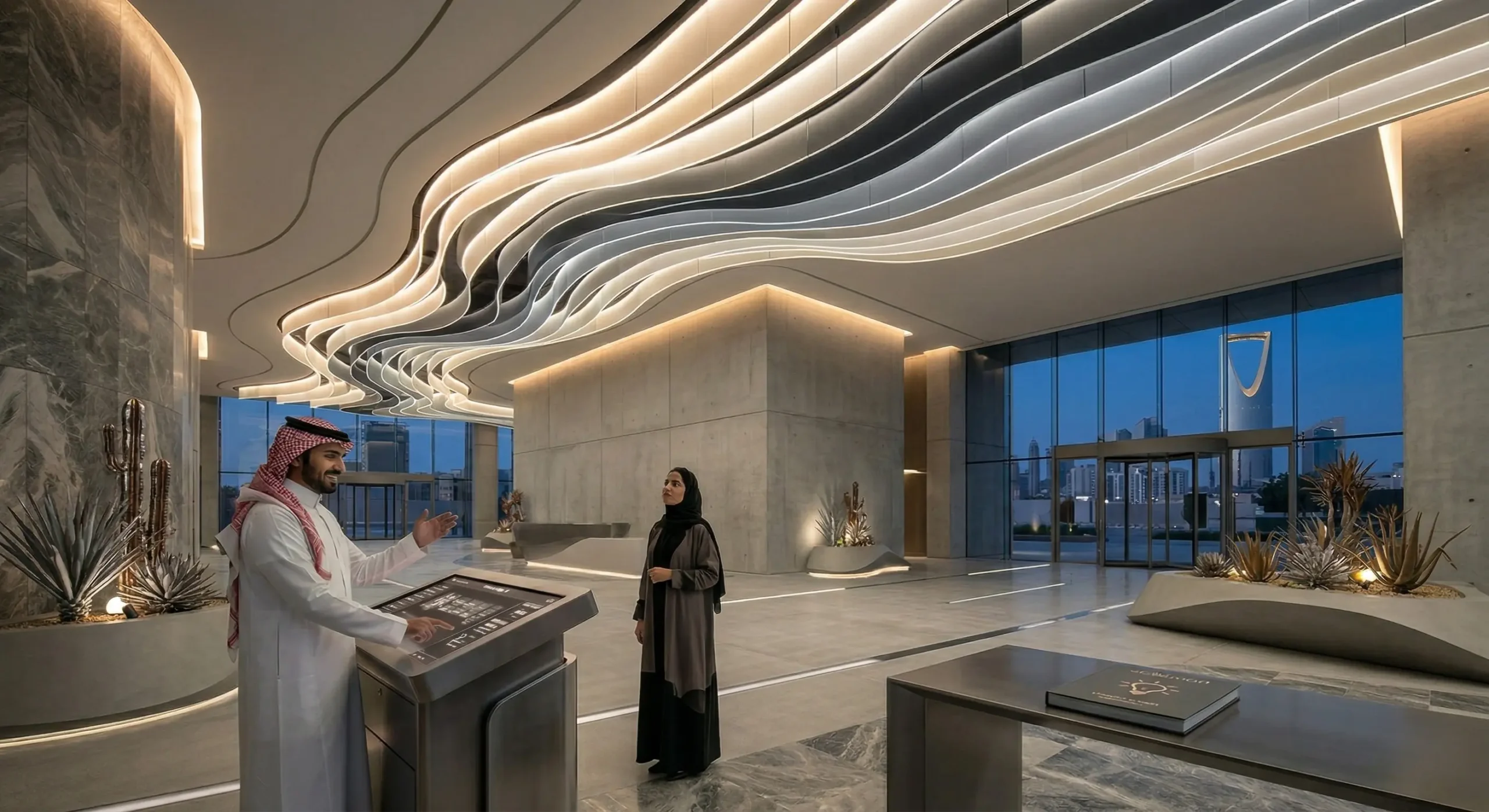
Modern lighting has transcended its traditional role of merely banishing darkness, evolving into a sophisticated medium that shapes human emotion and spatial perception. In the rapidly expanding urban landscapes of Saudi Arabia, from the bustling avenues of Riyadh to the futuristic horizons of NEOM, lighting serves as the heartbeat of modern architecture. This transformation matters because it directly aligns with the Kingdom’s Vision 2030, which champions sustainable development, smart city infrastructure, and an elevated quality of life. By integrating advanced technology with aesthetic brilliance, modern illumination redefines how individuals experience their built environments. This fundamental shift paves the way for spaces that are not only visually stunning but also inherently attuned to human well-being.
The Evolution of Modern Architectural Illumination
The concept of modern architectural illumination goes far beyond installing a few bright bulbs; it involves a meticulous orchestration of light and shadow to enhance spatial dynamics. Experts in the field increasingly rely on biophilic lighting design, a revolutionary approach that mimics the natural progression of sunlight to support the human circadian rhythm. Evidence from the International WELL Building Institute demonstrates that environments simulating natural daylight significantly boost cognitive function and reduce stress levels. Consequently, luxury villas and high-end commercial spaces are moving away from static, glaring lights in favor of dynamic systems that breathe life into the architecture. This profound connection between natural patterns and artificial lighting sets a new benchmark for interior and exterior design.
The Shift Toward Energy-Efficient Modern Lighting
As global energy costs fluctuate and environmental awareness deepens, the adoption of energy-efficient modern lighting has become a critical priority for real estate developers and homeowners alike. The transition to high-efficacy LED systems is no longer a mere trend; it is a fundamental requirement driven by the need to drastically reduce carbon footprints. According to reports from the International Energy Agency (IEA), upgrading to advanced LED technology can reduce lighting-related electricity consumption by up to seventy percent globally. In the harsh, high-temperature climate of the Arabian Peninsula, this efficiency is doubly important because it reduces the thermal load on air conditioning systems, multiplying the overall energy savings. Such strategic choices ensure that modern buildings remain environmentally responsible while maintaining uncompromising visual elegance.
Navigating SASO Standards for Illumination Quality
Ensuring the longevity and safety of these advanced systems requires strict adherence to rigorous local regulations and quality standards. In Saudi Arabia, the regulatory authorities enforce comprehensive guidelines that dictate the performance and safety of imported and locally manufactured lighting products. Compliance with SASO regulations, such as the Energy Efficiency Registration (EER) and the SABER platform listing, guarantees that the fixtures can withstand the region’s extreme operational demands. For instance, high temperatures necessitate specific thermal stability tests, such as LM82 and LM84, to prevent premature degradation of LED chips. Understanding and applying these technical benchmarks is what separates a flawless, enduring lighting scheme from a costly maintenance nightmare.
The Role of Contemporary Lighting Fixtures in Compliance
The integration of contemporary lighting fixtures must seamlessly marry these stringent technical requirements with high-end aesthetic aspirations. Premium luminaires are now engineered with advanced heat sinks and superior optics that meet both photobiological safety tests and the sophisticated tastes of interior designers. When lighting consultants specify these top-tier products, they ensure that the visual comfort of the space is never compromised by flickering or poor color rendering. A well-designed luminaire acts as a silent guardian of both style and safety, proving that regulatory compliance does not have to stifle creative expression. This perfect balance of form and function naturally leads to a foundational aspect of interior comfort: the ambient layer.
Elevating Spaces with Ambient Lighting Solutions
To truly master the atmosphere of a room, designers heavily rely on ambient lighting solutions that provide a soft, foundational layer of illumination. This base layer is crucial because it eliminates harsh contrasts and unappealing shadows, creating an inviting environment that feels both expansive and comforting. Research published by the Illuminating Engineering Society emphasizes that a well-balanced ambient layer is the cornerstone of visual comfort, preventing the eye strain commonly associated with overly dramatic or poorly planned lighting. Whether utilizing concealed cove lights or diffused architectural panels, the goal is to make the light source virtually invisible while the effect remains profoundly felt. This subtle mastery of background lighting sets the perfect stage for the more dynamic, intelligent systems that are defining the future of luxury living.
The Intelligence Behind the Glow: Mastering Smart Lighting Controls
The integration of smart lighting controls is revolutionizing how residents interact with their living spaces in the modern era. These advanced systems allow users to dictate the exact mood, intensity, and color temperature of a room with a simple voice command or a tap on a smartphone screen. Data from smart home device market research indicates that automated lighting can reduce household energy waste significantly by automatically adjusting to occupancy and natural daylight availability. This seamless fusion of convenience and conservation makes intelligent illumination an indispensable asset for modern properties aiming to optimize their utility consumption without sacrificing luxury.
Elevating the User Experience Through Seamless Integration
Integrating premium luminaires with established smart home ecosystems maximizes both functionality and everyday comfort for the end user. Homeowners in Riyadh and Jeddah are increasingly linking their lighting networks to intuitive platforms like Google Home or Amazon Alexa, creating synchronized routines that adapt to their daily schedules. By utilizing high-quality, Wi-Fi-enabled devices, users can establish geo-fencing rules that trigger a welcoming, warmly lit environment the moment they pull into their driveways. This level of personalized automation naturally leads to a critical discussion about how these devices must be carefully selected to match the unique electrical standards of the region.
Ensuring Compatibility and Performance in Saudi Arabia
Selecting the right intelligent devices requires strict attention to regional electrical specifications and rigorous durability ratings. It is crucial to verify that imported smart bulbs and intelligent switches are fully compatible with the standard 220V infrastructure prevalent in Saudi homes to prevent hazardous malfunctions. According to electrical safety guidelines provided by the Middle East Facility Management Association (MEFMA), mismatched voltage can severely degrade LED lifespans, cause disruptive flickering, and instantly void manufacturer warranties. Once this technical foundation is securely established, designers can confidently shift their focus toward the aesthetic execution of these sophisticated intelligent systems.
Embracing Minimalist Lighting Design in Contemporary Architecture
The architectural landscape is witnessing a profound shift toward minimalist lighting design, where the fixture itself practically disappears into the ceiling architecture. This design ethos prioritizes clean lines and uncluttered spatial volumes, utilizing trimless downlights and concealed linear LEDs to wash walls with a gentle, indirect glow. Architectural digests frequently highlight how reducing visual noise through hidden illumination makes rooms appear significantly larger, more serene, and inherently sophisticated. While the background lighting remains deliberately discreet, this minimalist canvas creates the perfect opportunity to introduce bold, artistic elements into the overall spatial composition.
Art Meets Function: The Role of Statement Lighting Pieces
In beautiful contrast to hidden architectural lights, statement lighting pieces serve as captivating focal points that define a room’s unique character. These striking luminaires, whether they are avant-garde cascading chandeliers or sculptural geometric pendants, bridge the gap between functional illumination and high-end physical art. Leading interior designers often utilize these majestic fixtures over expansive dining tables or grand sweeping staircases to anchor the space and draw the eye upward, celebrating the room’s vertical volume. The careful curation of these artistic centerpieces perfectly complements the broader, more subtle luxury lighting trends sweeping across high-end residential developments in the Kingdom.
Transforming Gardens: The Future of Exterior and Landscape Illumination
The concept of the modern luxury home now extends well beyond its interior walls, placing a heavy emphasis on dynamic exterior and landscape lighting. Expansive gardens and private patios are transformed into enchanting nocturnal retreats through the strategic placement of tree uplighting, subtle pathway markers, and submersible water feature LEDs. A well-lit exterior not only extends the usable hours of outdoor living spaces for evening socializing but also acts as a critical security measure, deterring trespassers through motion-activated brilliance. However, creating these magical outdoor environments presents unique engineering challenges, particularly when combating the extreme weather conditions of the Arabian Peninsula.
Weather-Resistant Technology for Desert Climates
Outdoor luminaires must be impeccably engineered to withstand severe summer heat, intense UV radiation, and abrasive, wind-blown sandstorms. Design consultants rigorously specify fixtures with high Ingress Protection (IP) ratings—typically IP65 or higher—to ensure that delicate LED chips and smart sensors remain completely sealed against intrusive dust and moisture. Environmental resilience standards outlined by international engineering boards confirm that robust thermal management and marine-grade anti-corrosion coatings are essential for preventing premature fixture failure in desert landscapes. This unwavering demand for long-term durability is driving the market toward innovative, self-sufficient solutions that further enhance the sustainability of luxury properties.
Solar-Powered Solutions and Sustainable Landscaping
The integration of solar-powered exterior lighting is rapidly becoming a non-negotiable staple in high-end Saudi landscaping and commercial projects. These autonomous fixtures harness the abundant daytime sunlight, storing clean energy in high-capacity lithium batteries to power the garden’s illumination throughout the night without ever drawing from the main electrical grid. This forward-thinking approach perfectly aligns with the Kingdom’s broader environmental sustainability mandates, drastically reducing the operational carbon footprint of sprawling villa compounds and luxury resorts. As outdoor spaces become progressively smarter and more ecologically self-sufficient, the interior environments are simultaneously evolving to prioritize human health and psychological well-being.
The Human Element: Biophilic and Human-Centric Lighting
As the Saudi real estate market evolves to prioritize holistic wellness, the integration of biophilic lighting has emerged as a paramount consideration for high-end residential and commercial interiors. This innovative approach bridges the gap between the built environment and the natural world, utilizing tunable LEDs to seamlessly replicate the dynamic color shifts of natural sunlight throughout the day. Studies published by the Global Wellness Institute indicate that properties incorporating human-centric illumination foster significantly lower stress levels and higher cognitive engagement among occupants. Consequently, developers in Riyadh and NEOM are rapidly adopting these sophisticated systems to differentiate their luxury portfolios and cater to a health-conscious demographic.
Daylight Harvesting and Circadian Synchronization
The technological backbone of this wellness revolution relies heavily on daylight harvesting sensors that continuously adjust indoor brightness based on the amount of sunlight entering through the windows. By eliminating the jarring contrast between artificial and natural light, these systems maintain a visually soothing environment that actively supports the human circadian rhythm. Clinical research from the National Institutes of Health (NIH) confirms that synchronized circadian lighting directly improves sleep quality, mood regulation, and overall metabolic health. This profound biological impact elevates lighting from a mere functional necessity to a critical pillar of preventative healthcare within the modern home.
The Financial ROI of Modern Architectural Illumination
Beyond the undeniable health benefits, investing in modern illumination delivers a compelling financial return on investment that savvy property owners simply cannot ignore. The initial capital expenditure required for premium smart systems is rapidly offset by the drastic reduction in monthly utility bills and long-term maintenance costs. Financial analyses from the U.S. Department of Energy demonstrate that upgrading to comprehensive, energy-efficient lighting can increase a commercial property’s overall valuation by capturing premium lease rates and reducing operational overhead. In the highly competitive Saudi real estate market, a meticulously designed lighting scheme serves as a powerful differentiator that immediately signals quality, modernity, and exclusivity to potential buyers.
Elevating Market Value with Luxury Lighting Trends
Prospective buyers inherently associate superior lighting with premium construction quality, making it one of the most visible indicators of a property’s true market worth. The strategic deployment of sophisticated architectural washes and automated scenes instantly transforms an empty room into a highly desirable, emotionally resonant space. Real estate professionals consistently note that homes featuring layered, professionally designed illumination sell significantly faster and closer to their asking price than those relying on standard, builder-grade fixtures. Ultimately, the visual drama and atmospheric warmth created by these systems forge an irresistible emotional connection that drives high-value real estate transactions.
Collaborating with Experts to Execute Your Vision
Bringing a sophisticated lighting concept to life requires far more than simply purchasing beautiful fixtures from a high-end catalog. It demands the specialized expertise of professional lighting consultants who understand the complex interplay between electrical engineering, spatial geometry, and human psychology. Attempting a decentralized, do-it-yourself approach on luxury projects often results in disjointed aesthetics, severe glare issues, and costly electrical incompatibilities that fundamentally undermine the architectural intent. By partnering with established industry leaders, property owners ensure that every lumen is purposefully directed, perfectly calibrated, and fully compliant with the Kingdom’s rigorous safety standards.
Three Essential Steps to Lighting Success
To successfully navigate the complexities of modern illumination and guarantee a flawless execution, project managers and homeowners should adhere to a structured, professional workflow. Engaging an expert team early in the architectural process ensures that the lighting strategy is harmoniously woven into the very fabric of the building:
- Conceptual Integration: Involve lighting designers during the initial blueprint phase to seamlessly accommodate hidden wiring, recessed housings, and smart control hubs.
- Photometric Simulation: Utilize advanced 3D modeling software like DIALux to accurately predict light distribution, eliminate dark spots, and prevent visual glare before construction begins.
- Precision Commissioning: Conduct rigorous post-installation tuning to perfectly calibrate color temperatures, program automated smart scenes, and ensure flawless system integration.
Conclusion: Illuminating the Future of Saudi Real Estate
The profound transformation of the built environment through modern lighting represents a critical milestone in Saudi Arabia’s journey toward sustainable, intelligent urban development. As Vision 2030 continues to reshape the Kingdom’s infrastructure, the demand for environments that harmonize cutting-edge technology with human-centric design will only intensify. Whether illuminating a private sanctuary in Jeddah or a sprawling commercial complex in Riyadh, the thoughtful application of light remains the ultimate tool for defining spatial luxury and psychological comfort. By embracing these advanced methodologies and partnering with visionary experts, developers and homeowners can ensure their properties shine brightly at the forefront of this luminous architectural revolution.