
The Transformative Power of Artistic Lighting in Modern Spaces
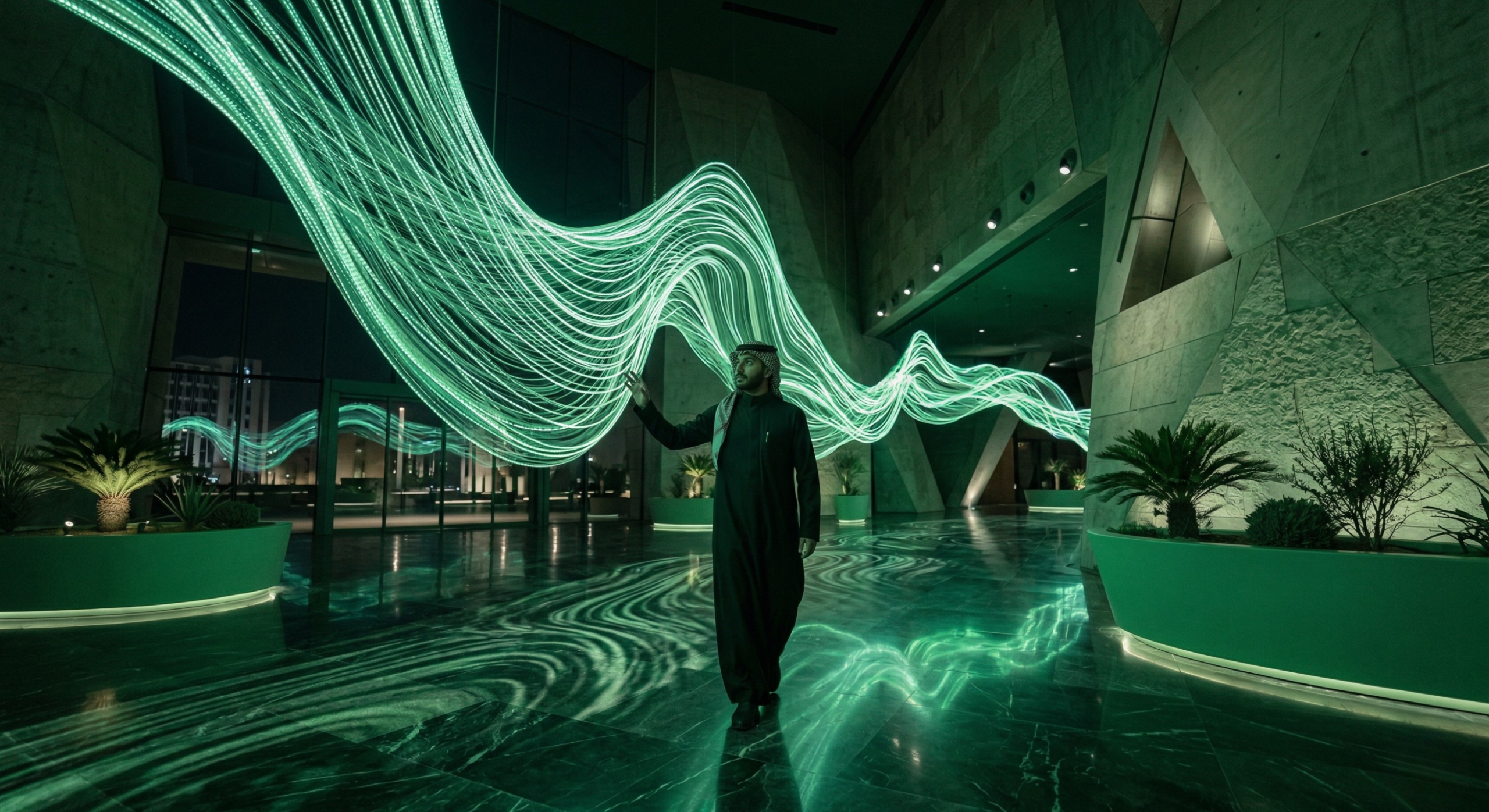
Artistic lighting has completely shattered the traditional boundaries of interior design, transforming from a mere functional necessity into a profound medium of creative expression. In contemporary architecture and high-end interiors, fixtures are no longer chosen simply to banish the dark; they are meticulously curated to evoke deep emotional responses and define the very soul of a space. This profound evolution marks a significant shift in how leading designers, architects, and property owners perceive spatial dynamics and visual comfort.
This transformation from utility to art is backed by rigorous environmental psychology and architectural science. According to design experts and researchers at the Illuminating Engineering Society (IES), the strategic application of light and shadow directly influences physiological well-being and fundamentally alters the perceived value of a physical environment. By treating light as a highly malleable, tangible material, designers can expertly mold the atmosphere, guiding the observer’s eye and setting an unmistakable mood before a single word is spoken. This absolute mastery of ambient energy seamlessly paves the way for a deeper exploration into how light narrates the unseen story of any given room.
Beyond Illumination: The Rise of Visual Storytelling
At its absolute core, masterful illumination serves as the ultimate tool for visual storytelling, allowing spaces to communicate their unique identity, history, and purpose without relying solely on physical furnishings. Just as a master painter uses a delicate brush to bring a blank canvas to vivid life, a visionary lighting designer utilizes lumens, gradients, and precisely angled beams to highlight architectural triumphs while subtly obscuring undesirable flaws. This invisible narrative layer adds unprecedented depth and character to both residential sanctuaries and sprawling commercial properties.
When applied with deliberate intention and artistic flair, light can completely alter the narrative and emotional resonance of an entire property. Comprehensive case studies published by authoritative industry voices like Architectural Record consistently demonstrate that spaces employing narrative-driven lighting strategies experience significantly higher engagement, longer dwell times, and stronger emotional retention from visitors. By carefully choreographing the delicate interplay between brilliant brightness and dynamic shadows, designers successfully create an immersive environment that captivates all the senses and lingers in the memory long after departure. This compelling, invisible narrative capacity naturally leads directly to the introduction of physical light fixtures that double as magnificent, standalone works of art.
Sculptural Lighting as the Ultimate Focal Point
The bold integration of sculptural lighting has fundamentally revolutionized how modern interior spaces are anchored, providing a dramatic, unavoidable focal point that instantly commands attention the moment one crosses the threshold. Unlike standard, utilitarian recessed lights or generic, mass-produced flush mounts, these extraordinary fixtures possess a commanding, undeniable physical presence. They act as breathtaking, conversation-starting centerpieces that dominate the visual hierarchy of a room, even during the day when they are completely switched off.
These luminous masterpieces beautifully blur the rigid line between functional electrical utility and museum-quality fine art, offering a distinct dual purpose that exponentially elevates the entire aesthetic of a luxury venue. Renowned global design platforms and architectural galleries, such as Dezeen, frequently showcase how avant-garde, massive lighting installations can effortlessly redefine spatial proportions and breathe vibrant life into otherwise sterile, ultra-minimalist interiors. Consequently, investing capital in a bold, sculptural centerpiece not only solves the practical, fundamental need for nighttime illumination but also serves as a profound, highly visible statement of personal taste and artistic appreciation.
Elevating Interiors with Bespoke Design
To truly capture the unique, unrepeatable essence of a specific architectural space, discerning clients and top-tier designers are increasingly turning their backs on retail catalogs, moving exclusively toward bespoke design in their lighting choices. Custom-crafted, made-to-order fixtures ensure that the physical scale, premium materials, and precise luminous output are perfectly, harmoniously aligned with the room’s distinct geometric proportions and the owner’s highly specific aesthetic vision. This tailored approach guarantees that the lighting does not just fit the room; it feels as though the room was built entirely around the lighting.
The fading era of mass-produced, one-size-fits-all lighting is being rapidly replaced within the luxury sector by a deep, insatiable desire for absolute exclusivity and unparalleled tailored craftsmanship. When elite interior designers collaborate directly with skilled artisans to forge custom architectural lighting solutions, the resulting physical installation seamlessly integrates with the building’s foundational DNA, actively amplifying its inherent beauty rather than loudly competing with it. This meticulous, unwavering attention to highly personalized detail naturally raises a fascinating question regarding the mechanics of light. How exactly do these physical art pieces manipulate the intangible, scientific elements of illumination to fundamentally shape human perception and biological comfort?
The Science and Emotion of Color Temperature
To truly understand the profound impact of physical fixtures, one must first master the invisible, highly influential science of color temperature. The precise warmth or coolness of a light source, measured in Kelvins, fundamentally dictates the psychological and emotional response of anyone entering the space. A master designer understands that bathing a luxurious, velvet-draped lounge in harsh, cool-white light instantly destroys the intended intimacy, whereas utilizing warm, amber hues fosters a deep sense of relaxation and safety. This meticulous, scientifically grounded approach ensures that the artistic vision of the room perfectly aligns with human biology, creating a cohesive, deeply resonant atmosphere that feels entirely natural.
Engineering Biological Comfort and Spatial Warmth
The careful manipulation of these thermal hues is not merely an aesthetic preference; it is a critical component of engineering biological comfort within premium residential and commercial environments. According to extensive studies conducted by the Lighting Research Center (LRC), human circadian rhythms are deeply tethered to the shifting color temperatures of the natural sun throughout the day. By mimicking this natural progression—utilizing crisp, energizing blues in the morning and transitioning to soothing, fire-like oranges in the evening—designers actively support the physiological well-being of the occupants. Consequently, lighting is elevated from a static decorative element into a dynamic, life-enhancing utility that works in perfect harmony with the human body.
Shifting Atmospheres with Tunable White Light
Modern technological advancements have bestowed designers with the incredible ability to alter these atmospheres instantly through the use of tunable white light systems. Instead of being locked into a single, permanent hue, property owners can now shift the thermal character of their artistic lighting installations to perfectly match a specific event, season, or time of day. This remarkable flexibility allows a pristine, brightly lit daytime art gallery to seamlessly transition into a moody, warmly glowing evening reception space with the simple touch of a button. This incredible technological agility naturally leads us to explore how specific, highly targeted beams of light are used to carve out dramatic spatial dimensions.
Sculpting with Shadows: The Drama of Accent Lighting
While brilliant, sweeping illumination is essential for basic visibility, true architectural drama is actually born from the deliberate, artistic use of darkness. The strategic application of accent lighting introduces a powerful, high-contrast dynamic that actively sculpts the physical space, creating deep, mesmerizing shadows that add profound visual interest. When a narrow, highly focused beam of light grazes a textured stone wall or illuminates a solitary architectural column, it instantly establishes a striking visual hierarchy that commands the observer’s attention. By intentionally leaving certain areas cloaked in gentle shadow, designers craft a compelling sense of mystery and depth that flat, uniform lighting simply cannot achieve.
Highlighting Luminous Art and Coveted Curations
This highly focused, theatrical approach is absolutely paramount when tasked with illuminating expensive private collections, where the fixtures themselves often serve as brilliant luminous art. Whether highlighting a priceless Renaissance oil painting or a contemporary, custom-forged metallic sculpture, the light source must boast an exceptionally high Color Rendering Index (CRI) to reveal the true, uncompromised vibrancy of the artist’s original pigments. Furthermore, experts heavily prioritize the use of UV-filtered, heat-free LED optical lenses to ensure that these invaluable curations are never degraded or damaged by the very light meant to celebrate them. This protective, highly flattering illumination seamlessly integrates with broader smart interior design principles, proving that functional preservation and breathtaking aesthetics can perfectly coexist.
The Mastery of Layered Illumination
The ultimate hallmark of a truly sophisticated, world-class interior is the flawless, invisible execution of layered illumination. Master designers never rely on a single, overpowering light source to carry the entire visual weight of a room; instead, they meticulously weave together ambient, task, and accent lighting to create a rich, multidimensional tapestry. Guidelines established by the American Society of Interior Designers (ASID) consistently highlight that this layered, highly textured approach eliminates harsh glare, reduces severe eye strain, and provides absolute flexibility for the end-user. When these distinct layers operate in perfect unison, the resulting spatial harmony is nothing short of breathtaking, entirely redefining the boundaries of modern luxury.
Having thoroughly established the undeniable psychological power of color temperature and the breathtaking dramatic impact of expertly layered shadows, a critical operational challenge emerges for ambitious property developers. How does one successfully transition these complex, highly technical artistic visions from a beautifully rendered digital concept into a flawless physical reality without catastrophic budget overruns? In the third and final installment of this definitive guide, we will completely demystify the complex financial and logistical architecture behind executing bespoke luminous installations in high-end environments.
The Financial Blueprint: Investing in Bespoke Luminous Installations
The ambitious leap from a breathtaking digital rendering to a flawless physical reality requires a highly robust, strategically sound financial blueprint. In the realm of ultra-luxury real estate, bespoke design is no longer viewed as a frivolous aesthetic indulgence; it is recognized as a deeply calculated capital investment that permanently elevates the property. Discerning developers and affluent homeowners must transition their mindset from minimizing immediate construction costs to maximizing the long-term, undeniable emotional and financial value of the space. By treating these intricate installations as permanent, high-yield assets, stakeholders can confidently allocate the necessary capital to bring visionary concepts to life.
Justifying the Capital Expenditure of Custom Fixtures
The initial capital expenditure required for custom-forged, highly specialized lighting is undeniably substantial, yet it is thoroughly justified by the extraordinary value it generates. Crafting these unique pieces requires hundreds of hours of painstaking artisanal labor, premium-grade materials, and rigorous optical engineering to ensure absolute perfection. According to comprehensive luxury real estate reports published by Knight Frank, properties that seamlessly integrate unique, museum-quality artistic elements consistently command significantly higher market premiums and lucrative rental yields. This highly tangible return on investment fundamentally shifts the executive conversation away from basic budget preservation toward strategic, long-term asset enhancement.
Enhancing Asset Valuation Through Luminous Art
When executed flawlessly, luminous art directly and aggressively boosts the intrinsic, appraised value of premium real estate portfolios. It establishes an unforgettable, highly photogenic brand identity for elite commercial spaces and guarantees unparalleled exclusivity for private residential estates. Official valuation guidelines highlighted by the Appraisal Institute consistently note that distinct, highly customized architectural features significantly reduce a premium property’s total days on the market by captivating high-net-worth buyers instantly. However, to successfully secure these massive financial benefits, the physical installation must be executed with military precision, ensuring the existing structural integrity is never compromised.
The Implementation Strategy: Bringing the Vision to Life
Flawless, uncompromising execution is the ultimate, definitive test of any highly ambitious architectural design, separating theoretical masterpieces from expensive logistical disasters. Installing heavy, elaborate sculptural lighting suspended high above a grand staircase requires intricate structural reinforcement and perfectly hidden wiring pathways to maintain a pristine, uncluttered aesthetic. Comprehensive engineering guidelines provided by the American Institute of Architects (AIA) strongly emphasize the absolute necessity of early-stage mechanical coordination to prevent catastrophic, highly expensive tear-downs late in the construction cycle. This intense, multi-disciplinary coordination demands a rigid, completely foolproof roadmap for executive project managers and elite contracting teams.
Overcoming Logistical Complexities in High-End Spaces
Luxury commercial and residential spaces frequently feature incredibly delicate, irreplaceable materials that simply cannot be repaired if accidentally damaged during a clumsy installation. Integrating complex layered illumination often requires drilling directly through rare Italian marbles, antique mirrors, or exotic, hand-carved woods, meaning there is absolutely zero margin for human error. Leading global project management frameworks detailed by the Project Management Institute (PMI) strongly recommend utilizing comprehensive 3D spatial scanning before a single physical tool is lifted, mapping out all potential electrical and structural clash points. By proactively adopting this highly structured, data-driven execution plan, development teams can entirely mitigate these severe, budget-destroying logistical risks.
A Flawless Roadmap for Installing Sculptural Lighting
To guarantee that the final physical installation perfectly mirrors the initial artistic vision while fiercely protecting the project’s bottom line, executive teams must rigidly adhere to a strict deployment methodology. This structured, uncompromising approach ensures that the passionate pursuit of a breathtaking immersive environment does not accidentally devolve into a chaotic logistical nightmare. Industry veterans and top-tier designers strongly advocate following these three critical, non-negotiable execution steps:
- Digital Prototyping and Clash Detection: Utilize advanced Building Information Modeling (BIM) software to virtually test the physical weight, thermal output, and electrical load of the custom fixtures long before actual manufacturing begins.
- Structural Pre-Installation: Heavily reinforce ceiling joists and meticulously conceal all complex wiring pathways during the early framing stages, strictly adhering to advanced architectural lighting design protocols.
- White-Glove Commissioning: Employ highly specialized, white-glove artisanal teams to carefully mount the final pieces, meticulously adjusting the micro-optical lenses and dimming curves to perfect the intended ambiance.
Conclusion: Cultivating an Immersive Environment for the Future
Ultimately, the masterful, highly intentional application of artistic illumination is what breathes vibrant, eternal life into the cold, static bones of modern luxury architecture. It seamlessly transforms ordinary, silent rooms into captivating, deeply emotional sanctuaries, guiding human emotion and completely shaping spatial perception with every carefully calibrated beam. According to visionary design philosophies championed by the International Interior Design Association (IIDA), the most successful, highly revered properties of the future will be those that treat artificial light with profound, artistic reverence.As we look toward the rapidly evolving future of high-end global real estate, it is abundantly clear that standard, utilitarian fixtures will no longer satisfy the sophisticated demands of the modern luxury consumer. By bravely investing in bold visual storytelling and uncompromising, deeply personalized craftsmanship, visionary developers ensure their spaces transcend basic functionality. These luminous masterpieces will remain unforgettable, highly profitable architectural landmarks for generations to come, proving once and for all that light is the ultimate, most powerful material in the modern designer’s arsenal.