
Lighting Engineering: Where Physics Meets Human Experience
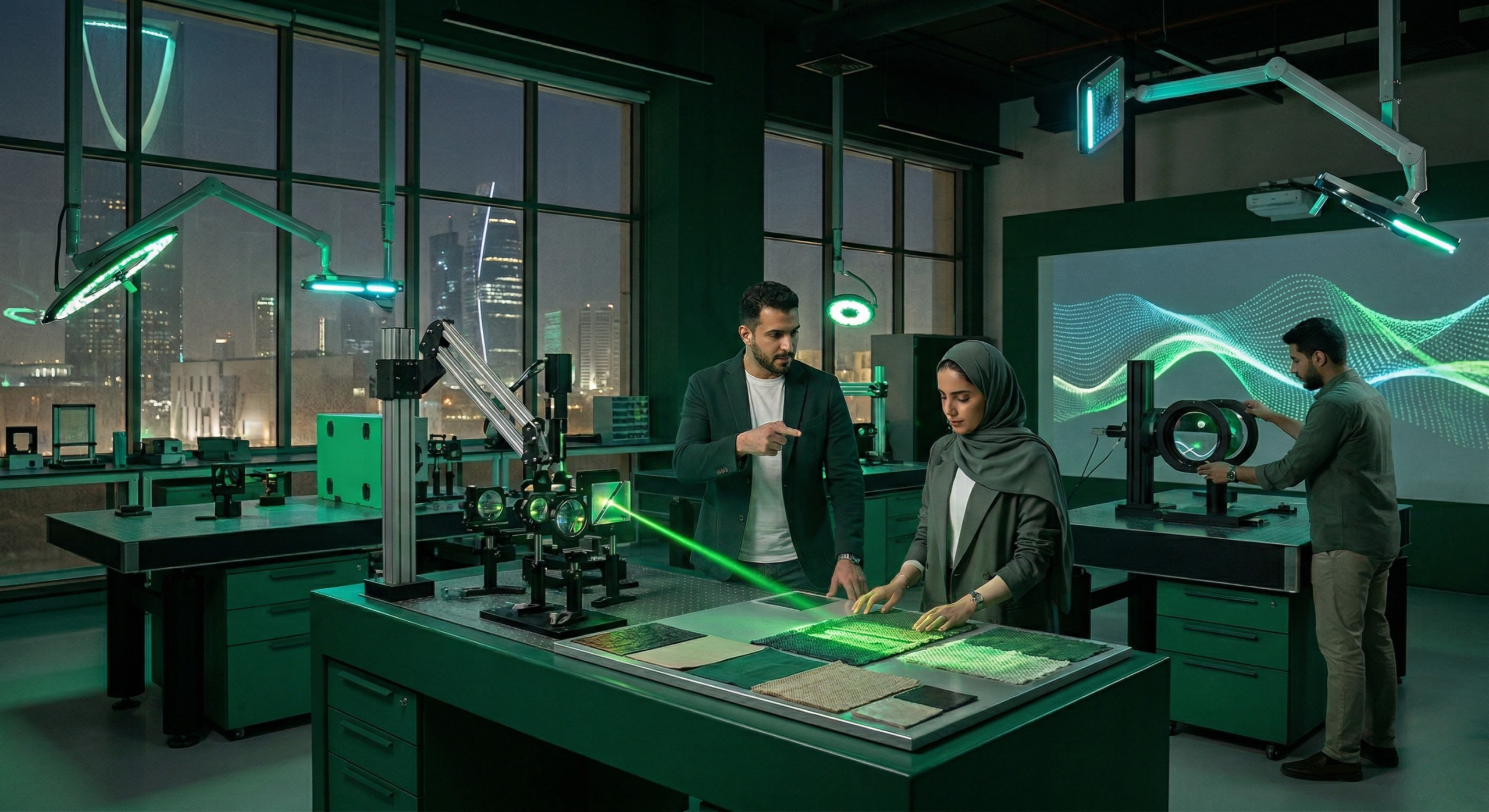
In the dynamic, rapidly evolving landscape of modern architecture, Lighting Engineering has transcended its traditional boundaries to become a highly sophisticated, data-driven discipline. It is no longer merely about selecting commercial fixtures and calculating basic wattages to banish the dark from a room. Today, it is an intricate, highly specialized science that seamlessly blends advanced physics, human psychology, and cutting-edge technology to fundamentally shape how we experience built environments. Industry experts at the Illuminating Engineering Society (IES) emphasize that meticulous lighting design is foundational to building performance, occupant well-being, and corporate brand identity. This profound evolution demands a deeper understanding of the meticulous engineering principles that transform empty, static spaces into captivating, highly functional assets.
The Foundational Science of Modern Illumination
The true mastery of commercial illumination begins long before a single physical fixture is ever ordered or installed; it starts with rigorous, empirical science. Engineers must meticulously calculate exactly how photons will interact with complex architectural geometries and diverse surface materials to achieve the desired visual outcome. Without this level of mathematical precision, large-scale projects risk suffering from oppressive dark spots, excessive glare, or massive, costly energy waste, severely compromising the user experience. By grounding ambitious creative visions in hard, undeniable physical data, lighting professionals ensure that their designs are both breathtakingly beautiful and flawlessly functional. This unwavering commitment to precision leads directly into the digital tools used to model these invisible, powerful forces.
Decoding Spatial Dynamics with Photometric Analysis
To accurately predict exactly how light will behave within a proposed commercial space, leading experts rely heavily on comprehensive photometric analysis. This advanced digital modeling process utilizes sophisticated enterprise software to create a highly accurate, three-dimensional light map, calculating the exact distribution and intensity of light across every square inch of a room. According to extensive research published by the Lighting Research Center (LRC), utilizing accurate photometric data during the early architectural design phases can eliminate up to forty percent of expensive, post-installation lighting corrections. Consequently, this highly analytical approach entirely removes the risky guesswork from the design process, ensuring the final physical installation matches the initial creative vision perfectly.
The Paradigm Shift to Solid-State Lighting
The actual physical hardware responsible for delivering this meticulously modeled light has also undergone a revolutionary, global transformation over the past decade. The aggressive, worldwide transition toward solid-state lighting (SSL), primarily driven by advanced LED technology, has completely rewritten the rulebook for what is physically and economically possible in commercial spaces. The U.S. Department of Energy (DOE) reports that SSL technology offers unprecedented physical durability, drastically reduced heat emissions, and an astonishingly long operational lifespan compared to legacy incandescent or fluorescent sources. However, the raw power, efficiency, and longevity of these modern diodes mean very little if the intense light they emit cannot be expertly controlled and safely directed.
Furthermore, the incredibly compact physical nature of modern solid-state diodes has unleashed entirely new frontiers in creative, high-end architectural integration. Designers are no longer restricted by the bulky, restrictive dimensions of traditional glass bulbs and heavy metal housings that previously dictated ceiling layouts. By embedding these micro-scale light sources directly into custom architectural lighting design features, such as floating ceiling coves, handrails, and textured accent walls, engineers can create immersive, luminous environments that feel entirely organic to the building. This seamless integration of modern technology and classic architecture ensures that the light source remains completely hidden, allowing the breathtaking visual effect to rightfully take center stage.
The Physics of Control: Maximizing Output and Precision
True, undeniable excellence in the field of modern illumination requires a delicate, highly calibrated balance between raw electrical power and surgical optical precision. It is entirely counterproductive, and financially wasteful, to generate massive amounts of light if it is simply scattered randomly across a room or allowed to aggressively blind the occupants below. This is exactly where the critical metric of luminous efficacy—the exact ratio of luminous flux to electrical power consumed—becomes the ultimate benchmark of a lighting system’s true commercial performance. By maximizing how efficiently a diode converts raw watts into highly usable lumens, engineers lay the essential groundwork for a highly sustainable system, which must then be meticulously refined by advanced optical engineering.
Perfecting the Beam Through Advanced Optical Design
Raw, unfiltered light from a high-powered LED diode is intensely bright and incredibly chaotic, making it completely unsuitable for high-end architectural applications without significant scientific refinement. To harness and domesticate this raw energy, engineers employ sophisticated optical design techniques, utilizing micro-lenses, custom-molded reflectors, and advanced polycarbonate diffusers to bend, shape, and soften the beam. As detailed in the strict optical engineering standards published by SPIE, precision optics ensure that light is delivered exactly where it is needed—such as highlighting a specific piece of artwork or a retail display—without spilling over into adjacent areas. This meticulous manipulation of the light beam not only prevents chaotic visual noise but is absolutely essential for protecting the physiological comfort of the people inhabiting the space.
As we have thoroughly established the critical, foundational importance of photometric data, solid-state technology, and precise optical control, a new, highly complex challenge naturally emerges. How do these rigorous technical specifications and raw physics translate into the actual, biological comfort and perception of the human eye? In the second part of this comprehensive guide, we will transition seamlessly from the raw generation of light to the profound physiological impact of illumination, exploring how master engineers perfectly balance color accuracy, glare reduction, and human well-being.
The Human-Centric Paradigm in Illumination
The sophisticated manipulation of photons and advanced optical design ultimately serves a singular, profoundly important purpose: elevating the human experience within the built environment. Modern Lighting Engineering has decisively shifted away from a purely mechanical focus on raw wattage toward a deeply biological, human-centric paradigm that prioritizes physiological health and emotional well-being. According to the rigorous scientific standards established by the International WELL Building Institute (IWBI), the quality, spectrum, and timing of indoor illumination directly govern the human circadian rhythm, heavily influencing everything from daily productivity levels to long-term mental health. This critical realization forces architectural engineers to meticulously calibrate their digital designs to support, rather than disrupt, the natural biological functions of the people occupying the commercial space.
Mastering Color Fidelity with the Color Rendering Index (CRI)
The most immediate, visually striking component of this human-centric approach is the absolute necessity of maintaining flawless color accuracy across all architectural surfaces and interior furnishings. This precise metric is governed by the Color Rendering Index (CRI), a highly critical engineering standard that measures exactly how faithfully a light source reveals the true colors of physical objects compared to natural, unfiltered sunlight. Top-tier retail environments, luxury hospitality venues, and modern healthcare facilities demand extremely high CRI ratings to ensure that merchandise looks vibrant, food appears appetizing, and human skin tones look healthy and completely natural. As documented by the Illuminating Engineering Society (IES), deploying fixtures with inadequate color rendering instantly creates a dull, visually confusing, and distinctly unwelcoming atmosphere that subconsciously repels visitors and significantly damages brand perception. However, delivering vibrant, perfectly rendered color is entirely counterproductive if the intensity of the light source physically hurts the observer’s eyes.
Eradicating Visual Fatigue via the Unified Glare Rating (UGR)
To aggressively combat the severe physiological discomfort caused by harsh, unshielded lighting, engineers rely heavily on the Unified Glare Rating (UGR) to quantify and eliminate visual fatigue before it ever occurs. Glare happens when a significantly bright light source directly enters the field of vision, causing an immediate, painful drop in visual contrast that leads to severe headaches, eye strain, and a massive plummet in workplace productivity. Ergonomic studies published by the Occupational Safety and Health Administration (OSHA) strongly mandate the strict limitation of glare in corporate office environments, legally requiring designers to utilize advanced micro-prismatic diffusers and deeply recessed fixtures to shield the human eye. By strictly adhering to low UGR standards, engineers successfully craft incredibly soothing, visually comfortable environments that allow occupants to focus effortlessly for hours, naturally paving the way for the integration of highly responsive, dynamic controls.
The Evolution of Intelligent Operations
The days of static, unresponsive commercial environments governed by simple, analog wall switches are officially over, replaced entirely by highly dynamic ecosystems that breathe and adapt in real-time. This monumental evolution from static hardware to intelligent operations represents the absolute pinnacle of modern architectural design, where the building itself learns to anticipate and seamlessly respond to the exact needs of its human occupants. Comprehensive market analyses from Navigant Research indicate that the aggressive global adoption of intelligent, sensor-driven networks is completely redefining facility management, turning massive commercial towers into highly agile, self-optimizing digital assets. This transformative shift requires engineers to move beyond simply designing beautiful fixtures to architecting incredibly complex, invisible data networks that silently choreograph the entire visual experience.
Harmonizing with Nature via Daylight Harvesting
The most elegant, scientifically advanced feature within these intelligent networks is the practice of daylight harvesting, a sophisticated engineering technique that perfectly synchronizes artificial illumination with the natural movement of the sun. Highly sensitive photo-sensors positioned strategically near vast architectural windows continuously measure the exact volume of natural sunlight flooding into the commercial space at any given second. As the sun burns brighter throughout the afternoon, the central processing unit automatically and imperceptibly dims the interior LED fixtures, maintaining a perfectly balanced, consistent light level while drastically slashing unnecessary electrical consumption. This seamless, highly sustainable integration is a mandatory cornerstone for achieving prestigious environmental certifications from the U.S. Green Building Council (USGBC), proving that true luxury and profound ecological responsibility can coexist perfectly.
The Architecture of Smart Lighting Integration
To execute these incredibly complex, real-time environmental adjustments, developers must invest heavily in flawless smart lighting integration, linking thousands of individual fixtures into a single, cohesive digital brain. This requires the deployment of robust Internet of Things (IoT) protocols that allow the lighting network to communicate directly with the broader Building Management System (BMS), seamlessly synchronizing with the central HVAC and automated window shade controls. Technical papers published by the Institute of Electrical and Electronics Engineers (IEEE) emphasize that this deep, enterprise-level integration prevents conflicting building systems from wasting massive amounts of energy and creates a perfectly unified, highly responsive indoor climate. Ultimately, this invisible, silent network of intelligent sensors and interconnected microprocessors forms the absolute backbone of a truly modern, future-proof commercial real estate asset.
Having deeply explored the profound biological impact of color accuracy, the absolute necessity of glare reduction, and the brilliant, autonomous nature of sensor-driven networks, the final piece of the engineering puzzle remains. How do massive commercial developers mathematically justify the enormous initial capital expenditure required to install these cutting-edge digital ecosystems? In the third and final installment of this definitive guide, we will completely dissect the financial architecture behind advanced illumination, exploring the undeniable return on investment driven by supreme energy efficiency, and providing a definitive executive roadmap for flawless project deployment.
The Financial Architecture of Advanced Illumination
The sophisticated integration of brilliant physics and profound human-centric design ultimately culminates in a rigorous, mathematically undeniable financial reality for modern real estate developers. Moving far beyond the archaic perception of commercial lighting as a mandatory, unavoidable monthly utility expense, forward-thinking financial executives now view these digital ecosystems as highly lucrative, long-term capital investments. According to comprehensive financial modeling published by the World Green Building Council (WorldGBC), premium commercial properties outfitted with highly responsive, sensor-driven illumination networks command significantly higher leasing rates and experience vastly reduced tenant turnover. This massive shift in asset valuation proves that deploying a meticulously engineered visual environment is an incredibly powerful tool for maximizing the overall commercial profitability of a real estate portfolio.
Calculating the Tangible Return on Investment
The core financial justification for aggressively upgrading legacy infrastructure lies in calculating the incredibly rapid return on investment (ROI) driven directly by unprecedented energy efficiency. By decisively swapping out power-hungry fluorescent tubes for solid-state technology boasting exceptionally high luminous efficacy, facility managers can instantly slash their baseline electrical consumption by more than half. Financial analysts scrutinizing commercial property performance consistently note that when this massive reduction in raw power usage is combined with the near-zero maintenance requirements of modern diodes, the cumulative operational savings effectively pay for the entire hardware upgrade within a remarkable two to three years. This accelerated break-even point completely transforms the intimidating initial capital expenditure into a brilliantly sound, highly predictable financial maneuver that aggressively protects the corporate bottom line.
Leveraging Energy Efficiency for Asset Valuation
Furthermore, achieving supreme energy efficiency through intelligent engineering directly influences the official, certified market valuation of the physical building itself. High-profile institutional investors and global corporate tenants are now strictly mandating that their leased environments comply with prestigious, internationally recognized sustainability frameworks, such as the rigorous criteria set forth by BREEAM. Properties that seamlessly integrate advanced daylight harvesting and automated visual networks score exceptionally high in these environmental assessments, instantly elevating the building’s prestige to a highly coveted “Class A” premium status. Consequently, treating commercial illumination as a critical, strategic asset directly insulates the property against volatile global energy markets and guarantees its long-term relevance in a fiercely competitive commercial landscape.
Navigating the Complexities of Deployment
Transitioning these highly ambitious digital blueprints from theoretical financial models into fully functional, physical reality requires an incredibly rigorous, deeply strategic approach to project deployment. The sheer complexity of embedding thousands of microscopic sensors, intricate wiring topologies, and advanced microprocessors into an active, fully occupied commercial building cannot be understated or left to amateur contractors. Leading engineering consultants featured in Architectural Record strongly emphasize that a fragmented, poorly managed installation will inevitably result in severe network latencies, frustrating user experiences, and a complete failure to capture the projected energy savings. To entirely prevent these costly operational disasters, development teams must strictly govern the physical rollout with military-like precision and unwavering oversight.
An Executive Roadmap for Flawless Execution
To guarantee the flawless integration of highly advanced lighting control systems without disrupting daily corporate operations, executive project managers must rely on a proven, heavily structured deployment methodology. Rushing to completely gut a commercial tower and install a massive, untested digital network simultaneously is a surefire recipe for catastrophic software failures and massive budget overruns. Adhering to the strict, highly successful risk mitigation strategies championed by the Project Management Institute (PMI), facility directors are strongly advised to execute their sweeping technological upgrades by strictly following these three critical phases:
- Comprehensive Digital Auditing: Conduct a highly granular, forensic examination of the building’s existing electrical grids and data infrastructure to ensure they can fully support the heavy data traffic required by a modern smart building automation network.
- Isolated Pilot Testing: Deploy the proposed solid-state fixtures and sensor arrays within a single, highly controlled physical zone to rigorously stress-test the software algorithms, fine-tune the human-centric color rendering, and validate the projected power savings.
- Phased System Commissioning: Execute the final, full-scale installation in meticulously planned stages, culminating in a rigorous, formal commissioning process where every individual sensor is physically verified and digitally synced to the central Building Management System (BMS).
Conclusion: Engineering the Future of Light
As we conclude this comprehensive masterclass in modern Lighting Engineering, it is abundantly clear that the discipline has evolved into the absolute, indispensable backbone of future-proof commercial architecture. The meticulous, highly calculated manipulation of physics, seamlessly combined with a profound understanding of human biology and cutting-edge digital technology, empowers developers to completely redefine how we interact with the built environment. From the exact photometric analysis that eliminates visual guesswork to the sophisticated sensor networks that organically harmonize with the moving sun, every single engineering decision fundamentally shapes the success of the space.
Ultimately, the buildings that will dominate the skyline and the commercial market over the next decade will be those that view illumination not as a static utility, but as a deeply intelligent, highly responsive ecosystem. By boldly embracing the incredible power of high-efficacy optics, human-centric design, and relentless energy efficiency, visionary leaders have the unprecedented opportunity to craft spaces that actively inspire human greatness while fiercely protecting the natural world. The future of architecture is undeniably luminous, and it belongs entirely to those who master the magnificent science of light.