
How Green Space Lighting Design Ensures Safety and Beauty
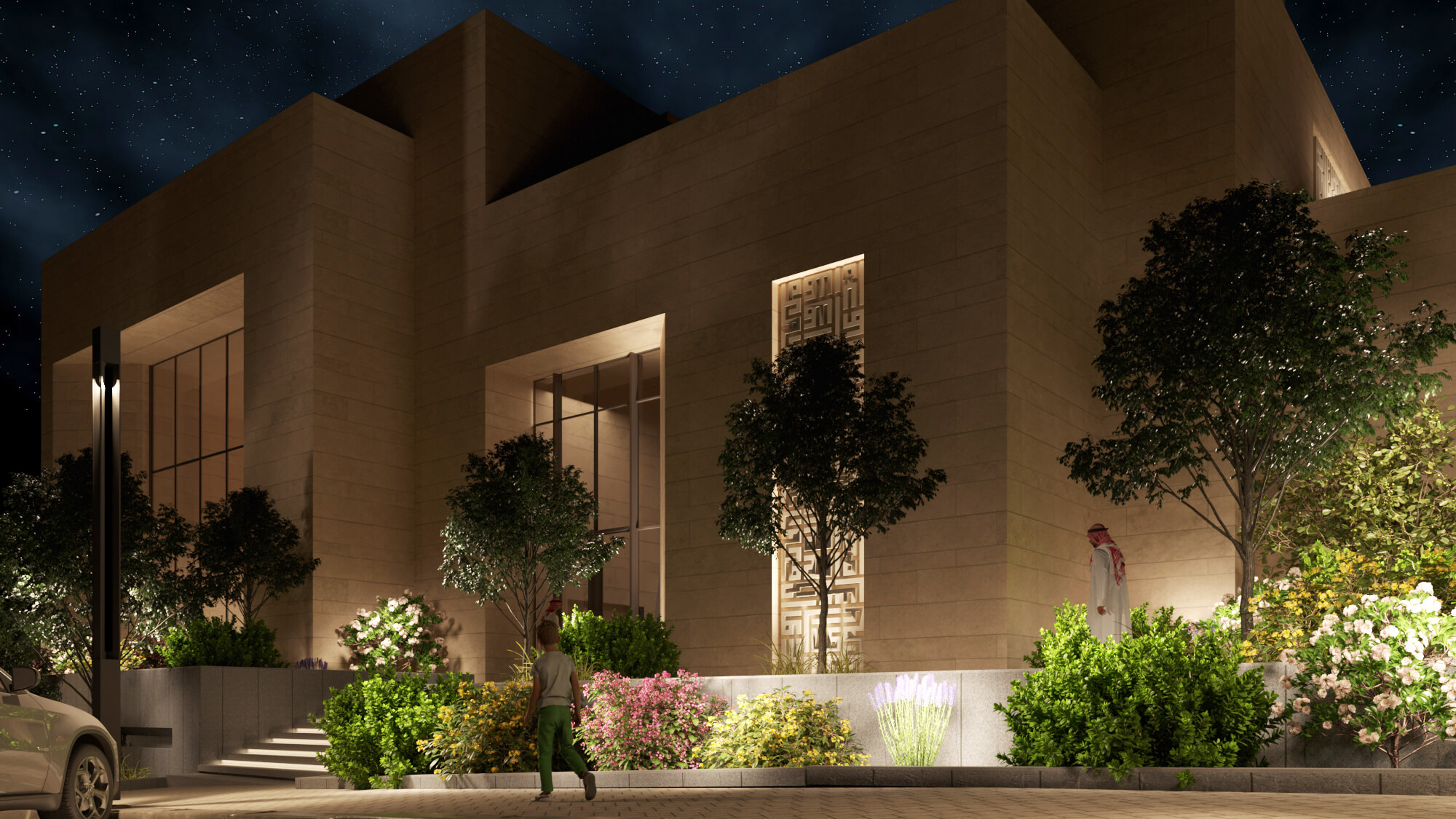
Can a garden at night turn into a vibrant living artwork without losing its sense of safety? The answer lies in Green Space Lighting Design, which combines science with artistry. Lighting is not just a tool for visibility; it is a key element that defines visitor comfort, ensures safety, and creates a first impression that lasts. The right use of light highlights the beauty of plants, guides movement, and establishes calm atmospheres that make outdoor experiences more memorable.
In this article, we explore how Green Space Lighting Design strikes a balance between safety and aesthetics. We will uncover its relationship with public security, its role in guiding visitors, how it influences emotions, the distinction between functional and decorative lighting, and innovative solutions that merge beauty with safety in landscaped environments.
What Is the Relationship Between Lighting and Safety?
When discussing public parks or landscaped areas surrounding residential and commercial projects, safety often comes right after beauty in importance. This is where Green Space Lighting Design plays a vital role:
Defining paths and entrances clearly
Well-planned lighting ensures that walkways are visible, reducing the risk of tripping or accidents. In public gardens with heavy foot traffic, this becomes a critical feature.
Reducing the risk of crime
Studies consistently show that well-lit areas have lower crime and theft rates. A poorly lit location feels unsafe and attracts negative behavior, while a well-balanced lighting scheme communicates safety and encourages longer stays.
Highlighting gathering areas
Seating zones and playgrounds, when illuminated correctly, become safer for both children and adults, enhancing the overall quality of the experience.
Minimizing hidden obstacles
Lighting exposes low branches, uneven ground, or sudden changes in elevation, preventing accidents and maintaining a smooth flow of movement.
Lighting, therefore, is not just decorative—it is the first line of defense that ensures visitor safety in any green project.
How Does Lighting Guide Visitor Movement?
Large gardens or extended landscapes can easily confuse visitors if there is no clear orientation system. Green Space Lighting Design serves as a “silent guide”:
Marking main walkways
Ground-level fixtures or short pole lights along pathways make navigation intuitive, even without signage.
Defining entry and exit points
Unique lighting cues at entrances and exits make it simple for guests to orient themselves.
Directing attention to focal points
Whether it’s a fountain, sculpture, or activity zone, focused lighting draws visitors naturally to these features.
Dividing spaces by function
Varying light intensity or color helps distinguish between play areas, relaxation zones, and activity spaces.
In this way, light acts as a visual language that organizes visitor movement and creates a seamless, enjoyable experience.
How Does Lighting Enhance Psychological Comfort?
Psychological comfort goes beyond physical safety and beauty—it is deeply influenced by how light is distributed and perceived. With Green Space Lighting Design, outdoor environments can become emotionally uplifting:
Warm tones for relaxation
Warm lighting (2700K–3000K) in seating and rest areas creates a sense of intimacy and calm.
Gradual illumination to prevent stress
A balanced distribution of light prevents overly dark spots or harsh glare, fostering a soothing environment.
Harmony with natural tones
Lights that mimic moonlight or sunset shades blend naturally with the landscape, avoiding artificial sensations.
Accentuating natural beauty
Proper illumination of trees, flowers, and textures connects visitors emotionally with nature.
Light here does more than illuminate—it speaks to emotions, leaving a lasting impression on the human mind.
What Is the Difference Between Functional and Aesthetic Lighting?
Every professional Green Space Lighting Design project must balance two complementary roles:
Functional Lighting
- Purpose: Ensure visibility, safety, and clear navigation.
- Examples: Pole lights on pathways, step lights on stairs.
- Focus: Efficiency and practicality.
Aesthetic Lighting
- Purpose: Highlight beauty and enhance visual appeal.
- Examples: Uplighting on large trees, colored effects on fountains.
- Focus: Atmosphere, drama, and attraction.
Integration of Both
- The true success lies in blending function with beauty. For instance, a pathway may be safely lit using warm fixtures that also add a romantic charm. Projects that fail to balance these aspects risk being either safe but dull, or attractive but unsafe.
What Innovative Solutions Merge Safety and Beauty?
Modern technology has introduced advanced methods that allow Green Space Lighting Design to address both security and aesthetics at once:
Smart lighting systems
Automated controls adjust brightness depending on visitor density or time of day. For example, lights intensify during peak hours and dim gradually late at night.
Solar-powered fixtures
A sustainable option that reduces energy costs while providing reliable lighting, even in off-grid areas. These can be incorporated into poles, bollards, or ground lights with stylish designs.
Dynamic lighting effects
Color-changing systems adapt to seasons or events. For instance, green hues on World Environment Day or warm tones for national celebrations.
Nature-integrated lighting
Fixtures hidden inside tree trunks or among plants create the illusion that the light originates from the landscape itself.
These innovations make lighting an immersive part of the environment rather than a separate, purely functional addition.
Ultimately, Green Space Lighting Design is what transforms gardens and landscaped projects from simple natural spaces into integrated experiences of safety and beauty. Carefully planned lighting guides visitor movement, promotes comfort, and turns outdoor environments into memorable destinations. With the expertise of DTS Architectural Lighting Design, your project can go beyond ordinary illumination—becoming a living artwork that radiates both security and elegance, while elevating the long-term value of the space.