
Your Guide: 5 Questions for a Lighting Design Office
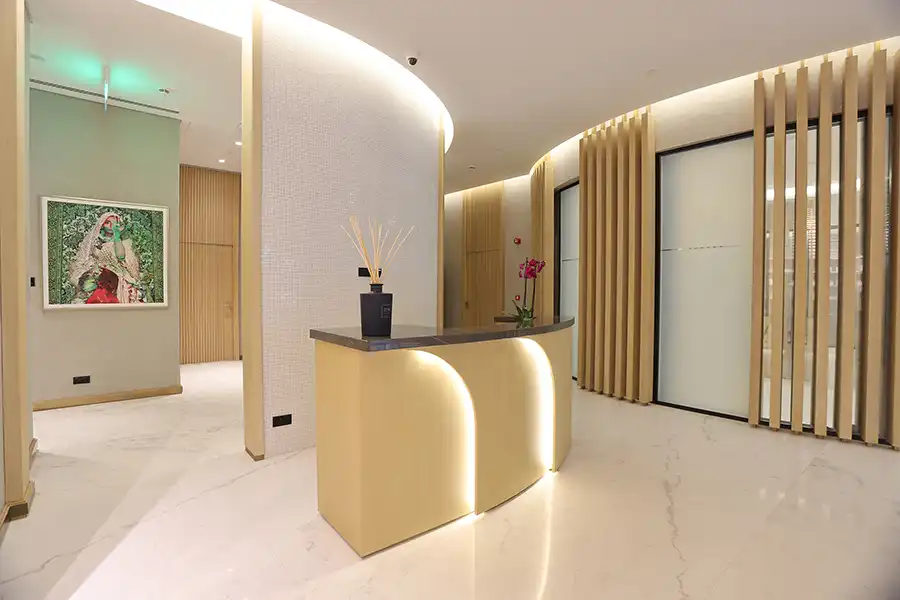
Choosing the right Architectural Lighting Design office can be a decisive factor for your project—whether it’s a new home, a commercial office, or even a restaurant. Lighting is not just a source of illumination; it is a powerful tool to shape atmosphere, influence mood, and highlight the beauty of a space. While the process may seem complex, making the right decision early on saves you time, effort, and money in the long run. Partnering with a professional Lighting Solutions Firm ensures you receive innovative, efficient solutions that meet your needs and exceed your expectations.
In this article, we outline the five most important questions to ask before hiring any lighting design office. These questions will help you evaluate their expertise, approach, and alignment with your vision and budget. We’ll explore each question in detail, explain its importance, and highlight what to look for in the answers to achieve the best results.
What is your portfolio and experience?
This is the starting point in evaluating any Architectural Lighting Design office. A portfolio is more than just a list of projects—it is a mirror reflecting the office’s expertise, diversity, and ability to handle different types of projects, from residential to commercial and even industrial.
What to look for in the answer:
- High-quality photos and videos: Request access to their project gallery. Images reveal how effectively they use lighting to highlight architectural and interior details.
- Case studies: Detailed case studies demonstrate not just what they did but how they did it, outlining challenges (budget limits, technical constraints) and innovative solutions.
- Project diversity: Look for experience in projects similar to yours. For instance, if you are designing restaurant lighting, it’s best to work with an office that has commercial experience.
- Certifications and awards: Industry recognition and professional certifications are indicators of credibility and quality.
Do you work with specific suppliers or independently?
This question helps determine whether the Architectural Lighting Design office offers independent solutions or is tied to certain brands.
What to look for in the answer:
- Independence and neutrality: They should prioritize project needs over brand loyalty, evaluating all available market options.
- Wide supplier network: Ask whether they have access to both local and international suppliers, and whether they can source customized solutions.
- Transparency in pricing: The office should explain cost calculations clearly. Transparency builds trust and ensures you are paying for professional service, not product promotion.
What is your design process?
Understanding the design process gives you clarity on how the project will progress from start to finish.
What to look for in the answer:
- Clear phases:
- Conceptual phase: Gathering project information, understanding your vision, and analyzing the space.
- Development phase: Preparing initial designs, 2D/3D renderings, and fixture selections.
- Execution phase: Producing detailed technical drawings for contractors and selecting suppliers.
- Conceptual phase: Gathering project information, understanding your vision, and analyzing the space.
- Ongoing communication: Clear points of contact and regular updates.
- Review and revision cycles: Flexibility to accommodate your feedback and modifications.
- Post-implementation services: Support such as installation supervision or maintenance plans.
What is your vision for the project?
This question helps you gauge whether the Architectural Lighting Design office truly understands your goals and is capable of enhancing them with creativity.
What to look for in the answer:
- Deep understanding: The designer should articulate how lighting will support your project’s unique purpose (e.g., creating ambiance in a restaurant or highlighting architectural features in a hotel).
- Innovative ideas: Look for suggestions that go beyond your initial requests, such as hidden lighting for dramatic effect or smart sensors for efficiency.
- Attention to detail: Consider how they talk about shadow effects, color temperatures, and visual comfort.
- Integration with design: Lighting should complement interior décor and architecture seamlessly.
How do you manage project budgets?
Budget management reveals the professionalism and flexibility of a lighting design office.
What to look for in the answer:
- Cost transparency: Clear breakdowns of design fees, fixture costs, and installation expenses.
- Flexible solutions: Options tailored to different budget levels, with premium investments where they add the most value.
- Itemized costs: Detailed explanations of all expenses help you understand exactly where your money goes.
- Energy efficiency savings: Smart design reduces long-term electricity costs, turning your initial investment into future savings.
Choosing a lighting design office is an investment in your project’s success. By asking these five questions, you will not only evaluate their expertise but also determine whether they align with your vision and budget. Partnering with professionals ensures more than just beautiful, functional lighting—it guarantees a seamless, rewarding experience.
A professional Architectural Lighting Design office like Dts Architectural Lighting Design, which prioritizes client needs and embraces the latest technologies, is the ideal partner to achieve your dream of perfect lighting and transform your spaces into vibrant, inspiring environments. Their expertise ensures you receive innovative and effective designs that exceed your expectations.