
Mastering Modern Lighting: Elevating Spaces Through Innovation
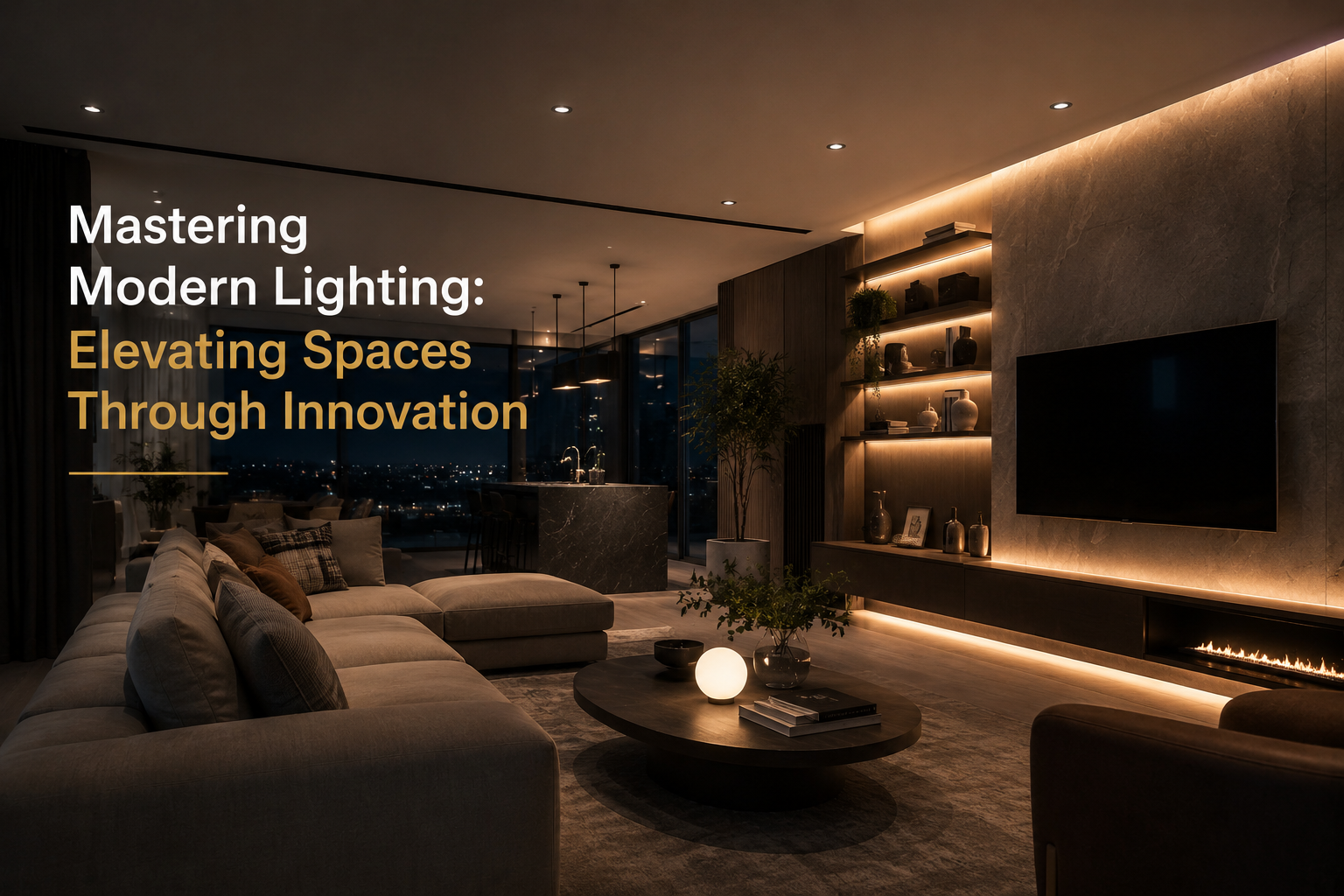
Modern illumination is no longer just a functional necessity; it is a transformative architectural tool that fundamentally redefines our physical environments. Today’s design philosophies prioritize the psychological and physiological impact of light, moving far beyond simply illuminating a dark room for basic visibility. Designers now view light as a dynamic, fluid medium that actively shapes how a space feels, functions, and breathes from morning until night. According to the Illuminating Engineering Society (IES), sophisticated lighting strategies significantly improve occupant well-being, mood, and productivity in both commercial and residential settings. This profound shift from static, switch-operated bulbs to intelligent, responsive ecosystems forms the absolute foundation of contemporary interior and exterior design.
The Core Principles of Contemporary Illumination
The fundamental philosophy behind today’s lighting trends revolves around creating visually clean, highly adaptable environments that prioritize human comfort. Rather than overwhelming a room with bulky, ornate chandeliers, contemporary designers prefer a highly refined, “less-is-more” approach that minimizes visual noise. This meticulous methodology ensures that the light itself—not just the physical hardware—becomes the primary focus, actively enhancing the surrounding architecture rather than competing with it for attention. As detailed in comprehensive explorations of architectural lighting, successfully marrying structural elements with deliberate illumination prevents spaces from feeling cluttered or visually chaotic. To achieve this pristine, uncluttered aesthetic, specifiers rely heavily on specific styles of hardware that blend seamlessly into the background.
Embracing Minimalist Fixtures and Geometric Silhouettes
The strategic integration of minimalist fixtures allows interior architects to establish a sleek, futuristic visual identity without ever sacrificing functional brightness. These refined luminaires frequently feature crisp, geometric silhouettes—such as slender suspended rings, sharp linear profiles, and perfectly flush recessed cylinders. By stripping away unnecessary decorative flourishes and bulky glass shades, these fixtures provide a pure, unadulterated source of light that perfectly complements modern, open-concept floor plans. Leading design institutions like the American Institute of Architects (AIA) frequently highlight how minimalist hardware naturally draws the human eye toward the broader spatial geometry rather than fixating on individual, distracting objects. While these sleek fixtures look absolutely stunning on their own, their true transformative power is unleashed when they are physically woven directly into the building’s structural DNA.
Achieving Seamless Architectural Integration
True architectural integration occurs when the light source becomes completely invisible to the occupant, allowing the architecture to seemingly glow from within. Instead of hanging a visible pendant, lighting engineers might embed linear diode strips into hidden ceiling coves, under floating staircases, or behind highly textured feature walls. This sophisticated, indirect technique produces a soft, luxurious wash of light that highlights rich material textures and expansive spatial volumes without ever exposing the raw bulb to the human eye. When property developers consult expert interior lighting design companies, they quickly learn that meticulously hiding the hardware is the absolute most effective way to create a high-end, premium atmosphere. Elevating a space beyond mere aesthetics, however, requires a much deeper understanding of how this seamlessly integrated light interacts directly with human biology.
The Paradigm Shift Toward Human-Centric Lighting
Perhaps the most revolutionary advancement in the modern design industry is the universal, aggressive adoption of human-centric lighting methodologies. For decades, artificial light completely ignored the sun’s natural progression, blasting static, cool-white rays into office spaces and residential living rooms late into the evening. This unnatural, prolonged exposure actively suppresses the brain’s melatonin production, leading directly to severe circadian rhythm disruption, chronic fatigue, and diminished cognitive performance over time. The International WELL Building Institute (IWBI) now heavily mandates circadian-supportive illumination strategies as a core, non-negotiable requirement for achieving elite building wellness certifications worldwide. Correcting this massive biological mismatch requires highly sophisticated hardware capable of actively mimicking the shifting characteristics of the natural outdoor sky throughout the day.
How do engineers practically implement this vital biological synchronization, and what hidden technologies drive these dynamic, life-enhancing environments? In Part 2 of this comprehensive exploration, we will dive deeply into the complex mechanics of color temperature tuning, the incredible environmental efficiency of modern diodes, and the invisible digital networks that command them.
Engineering the Biological Connection Through Light
Bridging the gap between static architecture and human biology requires mastering the delicate science of color temperature tuning. This advanced optical capability allows individual light fixtures to smoothly transition across the Kelvin scale, actively mimicking the sun’s natural progression from a crisp, blue-enriched morning glare to a warm, amber evening glow. Clinical research supported by the Lighting Research Center (LRC) confirms that these dynamic spectrum shifts directly regulate human circadian rhythms, effectively suppressing midday lethargy and promoting deeper nighttime sleep. By synchronizing interior environments with our biological clocks, designers establish a foundational layer of wellness that prepares the space for deeper aesthetic enhancements.
Building upon this biological foundation, the strategic application of these tunable diodes creates deeply immersive ambient illumination that completely transforms the mood of any room. Instead of relying on a single, harsh central bulb, architects use these tunable spectrums to wash expansive ceilings and textured walls with soft, indirect gradients that physically soften the perceived edges of the space. As beautifully detailed in comprehensive discussions exploring the psychology of lighting and its impact on purchasing decisions, masterfully controlled ambient layers subconsciously lower human stress levels and encourage prolonged social engagement. However, powering these complex, constantly shifting optical displays requires an underlying technological engine that is both incredibly robust and ecologically responsible.
The Ecological Imperative of Advanced Illumination
The global transition toward environmentally conscious architecture relies almost entirely on the widespread adoption of energy-efficient LEDs across all residential and commercial sectors. Unlike archaic incandescent bulbs that waste ninety percent of their energy generating useless heat, modern solid-state diodes convert electricity directly into pure, highly directed photons. The U.S. Department of Energy (DOE) heavily advocates for this technological shift, proving that upgrading a commercial property to modern diodes can aggressively slash operational energy costs by up to eighty percent annually. This massive reduction in baseline power consumption not only protects the property owner’s financial budget but also drastically shrinks the building’s overall carbon footprint.
Beyond the incredible energy savings generated by the diodes themselves, visionary engineering firms are now demanding the use of sustainable materials during the physical manufacturing of the fixtures. Progressive lighting manufacturers actively utilize recycled aluminum, biodegradable composites, and ethically sourced timber to construct their sleek luminaire housings, ensuring the product’s entire lifecycle honors the environment. Choosing environmentally responsible fixtures perfectly aligns with the rigorous criteria often demanded when choosing a lighting design office, separating true industry leaders from standard hardware vendors. With the ecological and biological foundations firmly established, the design narrative must inevitably shift toward the invisible digital networks that allow humans to interact seamlessly with these advanced ecosystems.
The Digital Brains: Seamless Automation and Control
The true defining characteristic of contemporary illumination is its flawless, invisible connection to the broader digital world through robust smart home integration. Fixtures are no longer isolated, dumb electrical endpoints; they are highly intelligent nodes within a sprawling, interconnected digital nervous system that monitors and responds to real-time environmental data. Top automation advocacy groups like the Custom Electronic Design & Installation Association (CEDIA) emphasize that seamlessly connecting luminaires to central hubs allows for unprecedented autonomous control over a property’s entire visual atmosphere. This brilliant digital orchestration allows the building to actively predict human needs, automatically raising light levels when a room is occupied and plunging into energy-saving darkness when it is empty.
Mastering the Environment with Invisible Interfaces
Commanding these highly sophisticated digital networks relies on the strategic implementation of advanced wireless dimming controls that eliminate the need for ugly, cluttered wall switches. Property owners can now effortlessly dictate the exact mood of their environment using intuitive smartphone applications, dedicated touch panels, or even simple voice commands directed at smart home assistants. By leveraging the deep expertise found in elite modern lighting technology, engineers can program complex algorithmic scenes that adjust dozens of fixtures to highly specific brightness levels and color temperatures simultaneously. This instantaneous, frictionless interaction grants users absolute mastery over their visual domain, ensuring the space constantly adapts to serve their exact lifestyle requirements.
As environments become increasingly automated and biologically responsive, a critical logistical challenge emerges for both architects and property developers. Procuring the correct digital hardware, ensuring seamless network communication, and physically installing these sensitive systems without damaging the surrounding architecture requires immense technical foresight. How do professional consultants actually translate these highly complex digital blueprints into flawless physical realities within active construction sites? In the third and final part of this comprehensive series, we will unpack the strategic execution roadmap, detailing the critical installation phases and the absolute necessity of expert commissioning.
The Strategic Execution Roadmap for Contemporary Illumination
Transitioning a highly sophisticated modern lighting concept into a tangible, functioning reality demands rigorous project management and uncompromising technical oversight. Even the most brilliantly conceived smart ecosystem can quickly unravel during the construction phase if contractors fail to understand the nuanced data wiring or specific mounting tolerances required for sleek, minimalist fixtures. Both the Project Management Institute (PMI) and the Construction Specifications Institute (CSI) strictly advise that complex architectural integrations require dedicated, specialized oversight to prevent costly deviations from the original master plan. This is precisely why elite real estate developers refuse to leave the final execution of their visual atmosphere to chance, enlisting specialized experts to safeguard the project from inception to the final glowing reveal.
The Imperative of Professional Engineering Oversight
Partnering with a dedicated professional is the single most effective insurance policy against compromised aesthetics and inflated installation budgets. When developers learn the rigorous criteria for choosing a lighting design office, they quickly realize that true experts do much more than simply select hardware; they mathematically validate every single data integration point and calculate precise thermal loads. These specialized engineers act as a crucial bridge between visionary architects and hands-on electrical contractors, ensuring that delicate architectural integration details are not value-engineered out of existence. By strictly maintaining the integrity of the original design intent, these consultants protect the property’s long-term market value and the ultimate user experience. This high-level technical stewardship becomes especially critical when navigating the notoriously complex procurement phase of construction.
Navigating Complex Procurement and Logistics
The global supply chain for commercial-grade diodes, advanced optical lenses, and interconnected smart hubs is notoriously dense and highly volatile. Without expert guidance, development teams frequently fall into the trap of purchasing substandard clone fixtures that promise high performance but entirely fail to communicate with the master control network. To prevent this, professional design teams leverage their deep industry relationships to source heavily vetted, warranty-backed hardware directly from reputable global manufacturers. Recognizing the common mistakes of ignoring a lighting design company reveals how expert procurement entirely eliminates the risk of incompatible digital components and disastrous schedule delays, a standard highly endorsed by the National Electrical Contractors Association (NECA).
The Phased Installation Methodology
To guarantee that the physical installation perfectly mirrors the digital blueprints, industry-leading firms employ highly advanced photometric simulation software before a single wire is ever pulled. Programs developed by organizations like DIALux allow engineers to construct exact three-dimensional replicas of the architectural space, calculating precisely how light will bounce off specific floor textures and wall colors. The International Association of Lighting Designers (IALD) champions this rigorous pre-visualization process as the ultimate standard for eliminating dark spots, preventing glare, and ensuring total regulatory compliance. By mathematically proving the concept in a virtual environment first, the execution team can confidently proceed to the physical worksite equipped with an infallible, step-by-step installation roadmap.
Executing a massive, multi-layered visual network inside an active construction site requires a highly disciplined, phased approach to prevent logistical clashes with other mechanical trades. If fixtures are installed too early, they risk being damaged by construction dust; if installed too late, they necessitate tearing open freshly painted drywall to run required digital data cables. To achieve perfect harmony and absolute system reliability, an elite interior lighting design company will strictly enforce a non-negotiable, three-tiered deployment sequence:
- Infrastructure Pre-Wiring: Installing all necessary low-voltage cabling, DMX conduits, and smart networking hubs while the building’s structural framing is still fully exposed to contractors.
- Precision Hardware Mounting: Surgically installing the physical fixtures, heat sinks, and optical diffusers only after the interior environment is completely dust-free and climate-controlled.
- Digital Commissioning and Calibration: Booting up the central software to meticulously program color temperature tuning algorithms, set automated schedules, and synchronize the system with the building’s master automation platform.
Conclusion: Embracing the Future of Spatial Design
As we conclude this definitive exploration into the art and science of contemporary spatial illumination, it is abundantly clear that mastering light is the ultimate key to mastering the human experience. We have moved far beyond the archaic days of simple bulbs and static switches, entering an awe-inspiring era where environments actively adapt to our biological needs, emotional states, and ecological responsibilities. The profound integration of human-centric lighting, cutting-edge digital automation, and uncompromising energy efficiency has forever changed the trajectory of global architecture. Whether designing a towering corporate headquarters or a serene luxury residence, the way we choose to illuminate our spaces directly dictates the quality of life for everyone within them.
The future of the built environment belongs exclusively to those who recognize light not as an afterthought, but as the foundational pillar of sophisticated design. By embracing advanced engineering strategies and partnering with visionary technical experts, developers can transform static buildings into dynamic, responsive living masterpieces. Ultimately, investing in world-class illumination is an investment in human health, operational profitability, and undeniable architectural legacy. Step boldly into the light, and let your spaces shine with unprecedented brilliance, intelligence, and profound, lasting purpose.