
The Definitive Guide to Heritage Lighting: Breathing Modern Life into Historic Landmarks
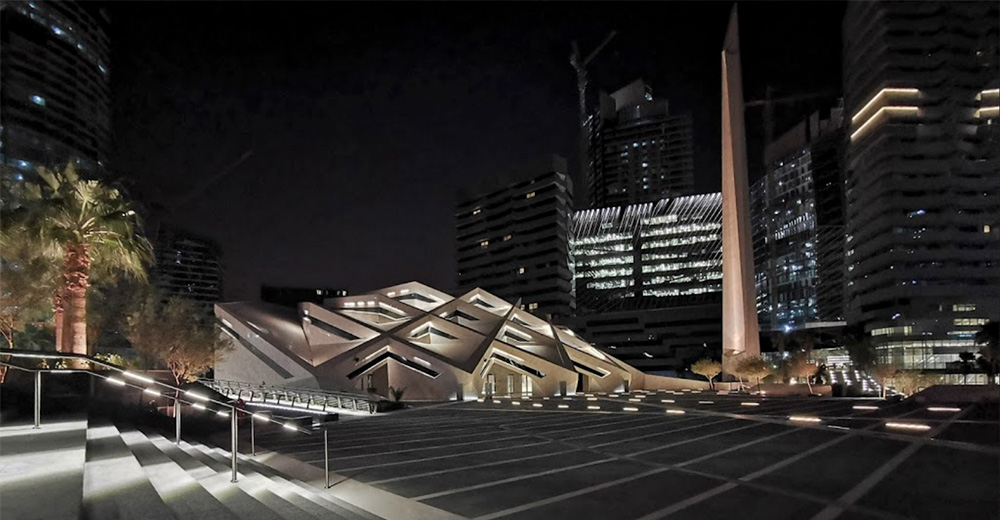
Heritage lighting stands as a profoundly sensitive discipline within the broader field of urban design, acting as the crucial, glowing bridge between our ancestral past and a sustainable future. Illuminating historic structures is never merely about achieving baseline visibility; it is a highly calculated endeavor meant to honor the deeply ingrained soul of a location while seamlessly meeting rigorous modern safety standards. By passionately committing to cultural heritage preservation, cities and private developers ensure that irreplaceable architectural landmarks remain vibrant, safe, and economically viable long after the sun goes down. Organizations dedicated to this noble cause, such as UNESCO, emphasize that sensitive, well-planned illumination protects the universal value of these sites, preventing them from fading into the obscurity of the night. This delicate, masterful balance of preservation and technological progress forms the absolute bedrock of how we must approach lighting historical spaces today.
The Core Philosophy of Architectural Conservation Through Light
At the very heart of architectural conservation lies the profound understanding that lighting must beautifully enhance, yet never overpower, the original structure it serves to illuminate. When professional designers approach majestic medieval castles, ancient places of worship, or centuries-old government buildings, their primary objective is to make the modern technology completely invisible so the historic architecture can speak entirely for itself. This respectful visual restraint ensures that intricate masonry, soaring arches, and delicate facades are revealed authentically, evoking the exact emotional response the original master builders intended. Top-tier architectural lighting design firms recognize that introducing harsh, overly bright contemporary fixtures into these sacred spaces completely shatters the historical illusion and deeply alienates the observer. Consequently, the meticulous selection of fixture styles, placement, and color temperatures becomes an elevated art form entirely dedicated to keeping history alive.
Recreating Magic with Period-Accurate Design
To maintain absolute visual harmony within a protected space, engineering teams must often dedicate themselves to the rigorous pursuit of period-accurate design, ensuring every visible lantern and sconce perfectly matches the specific era of the building. This exacting process involves exhaustive historical research, diving into municipal archives and early sepia photographs to identify the exact shapes, raw materials, and mounting techniques utilized during the structure’s original inception. According to strict architectural guidelines published by Historic England, deploying historically authentic luminaires is vitally important for maintaining the cohesive narrative of heritage sites, preventing jarring visual anachronisms that confuse the visitor’s experience. By painstakingly recreating these visual touchstones, designers establish an immediate, subconscious psychological connection between the modern viewer and the distant past. This unwavering dedication to visual authenticity naturally extends beyond individual buildings, shaping the very identity of our oldest, most treasured cities.
Shaping Historic Urban Landscapes with Vintage Aesthetics
The strategic application of vintage aesthetics extends far beyond the walls of singular monuments, fundamentally shaping the nighttime identity and atmosphere of entire historic urban landscapes. When visionary city planners weave authentic, classical fixture designs along cobblestone streets and heritage town squares, they create a highly immersive, romantic atmosphere that actively drives nighttime tourism and boosts local commerce. These warmly lit, nostalgic municipal corridors offer a much-needed psychological sanctuary from the stark, glowing digital screens and cold, towering glass facades of the modern metropolis. By thoughtfully integrating these elements, as flawlessly executed in elite facade lighting designs, developers transform dormant heritage districts into bustling, highly desirable civic destinations. However, achieving this beautiful, old-world aesthetic charm while relying on demanding modern electrical grids presents a formidable, often daunting set of engineering hurdles.
Navigating the Complexities of Historical Restoration
The physical process of historical restoration is fraught with incredibly complex technical challenges, primarily because modern safety codes and electrical loads rarely align with the physical realities of centuries-old infrastructure. Designers are strictly prohibited from drilling new conduit channels into protected stone columns or altering original load-bearing walls to accommodate bulky electrical transformers and thick, modern wiring arrays. This rigid restriction forces engineering teams to devise highly creative, non-invasive mounting strategies that utilize existing architectural cavities, ensuring the original fabric of the building remains completely untouched and undamaged. The global authority on monuments, the International Council on Monuments and Sites (ICOMOS), dictates that any modern intervention on a heritage site must be entirely reversible, placing immense pressure on lighting designers to innovate safely within strict physical boundaries. Overcoming these daunting physical limitations inevitably requires a revolutionary, surgical approach to the internal mechanics of the light fixtures themselves.
Upgrading the Core with Retrofit LED Solutions
The ultimate savior of modern heritage illumination is the rapid advent and integration of customized retrofit LED solutions, which allow ancient, culturally significant fixtures to perform with cutting-edge twenty-first-century efficiency. Engineers carefully gut the dangerous, energy-draining incandescent or gas-burning internals of original lanterns and seamlessly replace them with highly advanced, miniaturized solid-state diodes and hidden heat sinks. This brilliant technological upgrade drastically reduces power consumption and completely eliminates fire risks without ever altering the beloved, recognizable exterior silhouette of the historical fixture. Comprehensive data from the U.S. Department of Energy (DOE) confirms that retrofitting legacy fixtures with advanced LEDs can slash operational energy usage by over seventy-five percent, making preservation both ecologically and financially sustainable.
With the historical facade preserved and the internal electronics upgraded for maximum efficiency, engineers face another critical component of the heritage lighting puzzle. How do modern artisans physically recreate the intricate, ornate exteriors of fixtures that haven’t been manufactured in over a century? In Part 2 of this comprehensive guide, we will dive deeply into the vital role of traditional craftsmanship, explore the intricacies of classic lantern design, and uncover the advanced optics hiding behind vintage glass.
The Revival of Traditional Craftsmanship in Modern Foundries
To resurrect the authentic visual magic of a bygone era, modern manufacturers must frequently abandon automated assembly lines and return to the painstaking art of traditional craftsmanship. When municipalities commission the reproduction of nineteenth-century gas lamps or grand wrought-iron chandeliers, they require the specialized skills of master blacksmiths and foundry artisans who still utilize sand-casting and hand-forging techniques. This intense dedication to raw, authentic material manipulation ensures that newly fabricated fixtures possess the exact physical weight, textural imperfections, and historical gravitas of their antique counterparts. Global advocacy groups like the National Trust for Historic Preservation strongly emphasize that utilizing historically accurate materials is paramount to maintaining the absolute integrity of any restoration project. This beautiful, labor-intensive marriage of heavy metallurgy and historical reverence naturally provides the perfect foundation for recreating highly specific regional styles.
Recreating the Elegance of Classic Lantern Design
Mastering the precise nuances of classic lantern design requires an encyclopedic knowledge of architectural history, as every era and region boasts its own distinct visual vocabulary. From the ornate, highly decorative flourishes of Victorian street lamps to the sleek, geometric constraints of Art Deco wall sconces, designers must meticulously replicate exact physical proportions and decorative finials using archival blueprints. A truly successful replica never looks like a modern imitation; it looks as though it has stood proudly on that exact corner for over a hundred years, gracefully weathering the elements. This relentless pursuit of visual authenticity is often highlighted by top lighting design consultants as the most challenging yet deeply rewarding aspect of working within protected heritage districts. However, the true engineering genius of these historical replicas lies not in their ornate exteriors, but in what they successfully hide from the observer.
Concealing Advanced Optics Behind Antique Glass
The ultimate optical challenge in heritage replication is successfully managing the intense, directional output of modern diodes while projecting through glass designed for the soft glow of a flickering flame. If high-powered LEDs are simply placed behind clear glass, they produce a piercing, highly uncomfortable glare that completely shatters the nostalgic illusion and physically pains the pedestrian’s eye. To elegantly solve this, engineers utilize specially formulated frosted, seeded, or strategically amber-tinted glass panels that heavily diffuse the light source, masking the modern circuitry while simulating the warm, omnidirectional glow of historical gaslight. The Illuminating Engineering Society (IES) provides strict photometric guidelines for managing this delicate balance, ensuring that visual comfort is never sacrificed for the sake of historical aesthetics. This masterful manipulation of light and glass becomes exceptionally critical when illuminating the expansive public corridors that define our oldest cities.
Illuminating the Public Realm: Ornamental Street Lighting
Transitioning from individual monuments to the broader civic canvas, the strategic deployment of ornamental street lighting is the ultimate tool for defining the nocturnal character of historic neighborhoods. These towering, highly decorative cast-iron poles do much more than simply illuminate the asphalt for vehicular safety; they establish a deeply human, pedestrian-friendly scale that warmly invites people to explore the city on foot. When a cobblestone avenue is bathed in the gentle, amber glow of historically accurate street lamps, it creates a deeply romantic, theatrical atmosphere that modern, utilitarian highway lights simply cannot replicate. As explored in insightful analyses regarding the transformative power of artistic lighting, these illuminated pathways act as the vital, glowing arteries that safely connect tourists and locals to the heart of the cultural district. This deliberate enhancement of the civic realm yields profound, highly measurable psychological and economic dividends for the entire community.
Elevating Civic Pride and the Nighttime Economy
Investing heavily in beautiful, historically respectful public illumination is a proven, highly lucrative strategy for rapidly accelerating a municipality’s nighttime economy and boosting overall civic pride. When heritage squares and waterfront promenades feel visually enchanting and inherently safe after dark, tourists naturally linger longer, directly increasing revenue for local restaurants, boutique shops, and cultural venues. Understanding the profound psychology of lighting and its impact on purchasing decisions proves that a warm, inviting atmosphere subconsciously lowers consumer hesitations and encourages prolonged social engagement. This creates a vibrant, bustling nocturnal culture that honors the history of the space while generating the critical tax revenue required to fund further preservation efforts. Yet, as cities expand these beautiful heritage networks, they face mounting global pressure to ensure their historical charm does not inadvertently damage the natural environment above them.
Balancing Heritage Aesthetics with Dark Sky Regulations
Even the most faithful, period-accurate historical replicas must firmly comply with strict, modern environmental regulations designed to aggressively combat global light pollution. Historical fixtures were originally designed to cast light in all directions, but recreating this exact omnidirectional spread today contributes heavily to urban skyglow, which disrupts local wildlife and obscures the stars. To harmonize historical aesthetics with ecological responsibility, engineers integrate hidden internal louvers and highly precise optical reflectors that aggressively force the light downward onto the pavement where it is actually needed. Guidelines established by the International Dark-Sky Association (IDA) heavily champion these hidden optical interventions, proving that cities can proudly celebrate their architectural heritage without sacrificing the pristine beauty of the night sky.
With the artisanal craftsmanship mastered, the civic economy boosted, and environmental regulations strictly adhered to, developers and city planners face the ultimate logistical hurdle. How does a massive, highly sensitive heritage illumination project transition from a collection of beautiful blueprints and approved prototypes into a flawlessly executed, physical reality without damaging the priceless structures it aims to protect? In the third and final part of this definitive guide, we will outline the crucial steps for project execution, the necessity of professional oversight, and the enduring legacy of lighting our past.
The Strategic Execution: Safeguarding History During Installation
Transitioning a conceptually brilliant heritage lighting master plan into a physical reality is an incredibly delicate operation fraught with immense structural risk. Drilling a single errant hole or miscalculating the thermal load of a fixture can cause irreversible damage to centuries-old masonry, instantly destroying the very history the project aimed to celebrate. To entirely eliminate these catastrophic risks, the Project Management Institute (PMI) strictly mandates highly specialized, non-destructive execution frameworks when working within protected cultural zones. This rigorous, highly analytical approach ensures that the pursuit of modern illumination never compromises the structural integrity or historical narrative of the priceless landmark.
Non-Invasive Engineering and Reversible Techniques
The absolute golden rule of cultural heritage preservation is the strict adherence to reversible engineering, meaning any modern technological intervention must be fully removable without leaving a single permanent trace. Expert installers utilize specialized clamping mechanisms, heavy-duty tension bands, and existing architectural mortar joints to securely mount heavy cast-iron fixtures without ever piercing the original stone fabric. Furthermore, hiding the complex network of digital data cables requires routing low-voltage wires through pre-existing gutters, subterranean crypts, or abandoned chimney flues. By strictly demanding these non-invasive installation protocols, expert lighting design consultants protect the asset’s historical pedigree while fully outfitting it with cutting-edge digital capabilities.
Mitigating Risk with Specialized Professional Oversight
Executing this level of surgical precision is completely beyond the scope of traditional electrical contractors, making the involvement of highly specialized engineering consultants an absolute project necessity. These seasoned professionals act as the ultimate guardians of the historical site, mathematically validating every structural load, reviewing every bracket design, and heavily scrutinizing the photometric output of every custom lantern. When project managers understand the strict criteria for choosing a lighting design office, they intentionally select teams with a proven track record of navigating the bureaucratic labyrinth of historical societies and conservation boards. This expert oversight guarantees that the project proceeds smoothly from the initial conceptual rendering to the final flip of the digital switch without incurring disastrous compliance violations.
The Three-Phase Heritage Deployment Strategy
To guarantee that the physical installation perfectly honors the historical asset while seamlessly integrating modern technology, elite preservation teams rely on a highly disciplined, non-negotiable deployment sequence. Bypassing any of these critical phases inevitably leads to logistical nightmares, budget overruns, and severe damage to the historic urban landscapes being upgraded. By treating the installation as a delicate architectural surgery rather than a standard construction project, project leaders successfully execute their vision through these three distinct phases:
- Forensic Site Audit: Conducting comprehensive 3D laser scanning and structural load testing on the existing architecture to identify safe mounting points without compromising the ancient masonry.
- Custom Fabrication and Mockups: Building physical prototypes of the period-accurate design fixtures and temporarily testing them on-site to verify both the aesthetic scale and the precise photometric output.
- Surgical Installation and Digital Calibration: Delicately mounting the finalized retrofit LED solutions using non-invasive clamps, followed by meticulously calibrating the digital control system to ensure perfect, period-appropriate dimming levels.
Ensuring Long-Term Viability with Hidden Smart Networks
Once the physical installation is surgically completed, the final step involves awakening the invisible digital brain that now silently governs the heritage space. Behind the ornate, vintage glass of these classic lanterns lies a highly advanced, interconnected network that allows facility managers to monitor the health of the system remotely without ever deploying a maintenance crew. By integrating the concepts of modern lighting technology, these historical spaces can autonomously harvest daylight, adjust their intensity based on pedestrian traffic, and drastically reduce global carbon emissions. This seamless marriage of nineteenth-century aesthetics and twenty-first-century smart connectivity guarantees that the installation remains operationally viable and economically sustainable for generations to come.
Conclusion: The Enduring Legacy of Illuminating Our Past
As we conclude this definitive exploration into the delicate art of historical illumination, it is profoundly clear that mastering this discipline is essential for protecting our shared cultural memory. We are no longer forced to choose between experiencing the authentic, romantic charm of our ancestors and enjoying the unparalleled safety and efficiency of modern electrical engineering. Through the masterful application of historical restoration, traditional metallurgical craftsmanship, and cutting-edge optical physics, we possess the incredible ability to freeze time while simultaneously leaping into a sustainable future. The careful illumination of our oldest civic treasures is not merely a cosmetic architectural upgrade; it is a profound act of respect for the master builders who came before us.
The future of architectural conservation relies entirely on visionaries who understand that light is the ultimate storyteller, capable of breathing vibrant, glowing life back into dormant stone and steel. By heavily investing in specialized engineering, uncompromising material quality, and rigorous, non-invasive installation protocols, developers and city planners can proudly resurrect the forgotten magic of our urban landscapes. Step boldly into the illuminated streets of our history, and allow the meticulously crafted light to guide you through a beautifully preserved, profoundly inspiring past.