
The Definitive Guide to Tower Lighting: Engineering Brilliance in the Sky
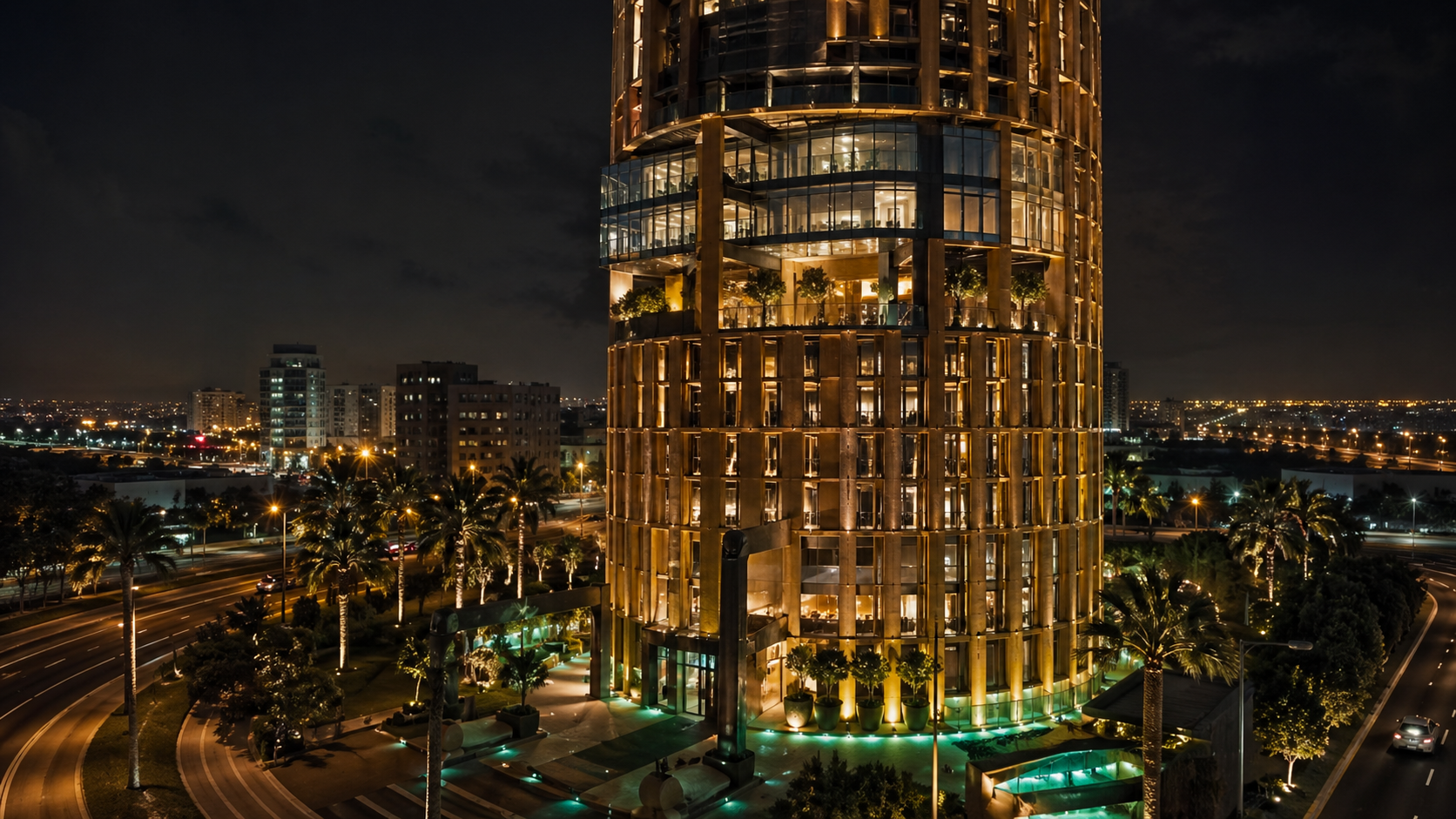
Tower lighting represents a fascinating intersection where robust architectural engineering meets advanced optical science, creating solutions that protect, illuminate, and beautify our modern skylines. In contemporary infrastructure development, illuminating high-altitude structures is no longer treated as a mere afterthought; it is a critical design phase that dictates both operational safety and visual identity. When developers properly leverage this specialized illumination, they transform imposing telecom masts, colossal bridges, and towering skyscrapers into dynamic beacons of progress. According to comprehensive guidelines published by the Federal Aviation Administration (FAA), adhering to strict aerial illumination protocols is mandatory to prevent catastrophic airspace collisions, fundamentally linking light design to public safety. This seamless blend of regulatory compliance and visual enhancement sets the stage for understanding the core objectives driving modern elevated lighting systems.
The Core Objectives of Illuminating High-Altitude Structures
The primary mandate of any elevated illumination project extends far beyond simple aesthetics, focusing intensely on securing the surrounding airspace and ground-level operational zones. A meticulously designed system ensures unmistakable visibility for low-flying aircraft and commercial drones, effectively neutralizing the inherent collision risks posed by towering physical obstacles. By prioritizing aviation safety, urban planners and infrastructure managers fulfill their legal and ethical obligations while maintaining the uninterrupted flow of nighttime air traffic. The International Civil Aviation Organization (ICAO) continuously updates global standards to ensure these warning lights penetrate dense fog and adverse weather conditions with unwavering reliability. Establishing this foundational layer of safety allows engineering teams to explore how powerful illumination can concurrently serve the expansive areas resting directly beneath these colossal structures.
Maximizing Visibility with High-Mast Lighting Systems
To effectively flood expansive commercial zones with consistent, high-quality illumination, engineers increasingly rely on sophisticated high-mast lighting infrastructure. This approach elevates powerful light sources tens of meters into the air, effectively casting a broad, uniform glow over vast logistical hubs, shipping ports, and highway interchanges. By minimizing the number of physical poles required on the ground, this strategy reduces visual clutter and dramatically lowers the risk of vehicular collisions with light standards. Implementing these towering configurations is a cornerstone of architectural lighting design, as it perfectly balances the practical need for immense ground-level visibility with streamlined spatial aesthetics. Achieving such an expansive throw of light, however, requires transitioning away from outdated, inefficient lamps toward cutting-edge optical technologies.
The Revolution of LED Floodlights in Aerial Applications
The rapid integration of specialized LED floodlights has completely revolutionized the way engineers approach high-altitude illumination, offering unprecedented control and power. These modern solid-state diodes effortlessly generate a brilliant, piercing beam while consuming a fraction of the electricity required by legacy metal halide or sodium vapor fixtures. This exceptional energy efficiency provides facility managers with massive reductions in baseline utility costs, rapidly offsetting the initial capital expenditure of the lighting retrofit. Data published by the U.S. Department of Energy (DOE) confirms that transitioning to industrial-grade LED technology can slash large-scale outdoor lighting energy consumption by up to seventy-five percent. This financial and environmental triumph naturally leads to another crucial engineering metric: the actual strength and quality of the light emitted from the fixture.
Harnessing Luminous Intensity for Maximum Reach
In the demanding realm of elevated infrastructure, the luminous intensity of a fixture dictates its ultimate success in penetrating darkness and adverse atmospheric conditions. This metric measures the concentrated power of a light source in a specific direction, ensuring that warning beacons are clearly visible to pilots miles before a potential encounter. Precision-engineered lenses and reflectors are integrated into modern fixtures to tightly focus this intensity, preventing wasteful light spillage into the night sky while maximizing the necessary warning signals. Whether designers are aiming for regulatory compliance or creating iconic building facades, controlling this intense directional output is non-negotiable for project success. Yet, generating the perfect light beam is only half the battle; these highly calibrated optical devices must also survive the brutal physical realities of their high-altitude environments.
Overcoming Environmental and Engineering Challenges
Mounting sensitive electronic equipment hundreds of feet in the air exposes them to a relentless barrage of environmental extremes that would quickly destroy standard commercial fixtures. High-altitude installations must constantly battle torrential rain, corrosive salt spray in coastal regions, extreme temperature fluctuations, and violent atmospheric turbulence. Consequently, engineering teams must specify fixtures built with aerospace-grade aluminum housings, hermetically sealed optical chambers, and highly specialized thermal management systems. The American Society of Civil Engineers (ASCE) emphasizes that the physical housing of these lights must be treated as a critical structural component of the tower itself, subject to the exact same rigorous environmental testing. Understanding these harsh realities forces developers to heavily prioritize the sheer mechanical resilience of the entire mounting apparatus.
Prioritizing Structural Integrity and Wind Load Resistance
When dealing with towering infrastructures, the structural integrity of the lighting array is paramount, as a failing mount or dislodged fixture poses a lethal threat to the people and property below. As altitude increases, wind velocity scales exponentially, subjecting fixtures and their mounting brackets to immense, constant vibrational stress and aerodynamic drag. To combat this, engineers meticulously calculate the wind load resistance of every component, often utilizing low-profile, aerodynamic fixture designs that allow gale-force winds to pass through harmlessly. Organizations like the National Institute of Standards and Technology (NIST) provide exhaustive data models to help structural engineers design mounting arrays capable of withstanding hurricane-force impacts without compromising the optical aim.
With the physical structure secured against the wrath of nature, a critical logistical question emerges for the facility operators tasked with managing these towering assets over the coming decades. How can maintenance teams safely access, monitor, and repair these vital systems when they are suspended hundreds of feet in the air? In Part 2 of this comprehensive guide, we will explore the critical importance of maintenance accessibility, the role of extreme durability, and how smart controls are transforming the future of aerial illumination.
The Logistics of High-Altitude Operations
Maintaining sophisticated lighting networks suspended hundreds of feet above the ground presents an incredibly complex, high-risk logistical challenge for facility managers. Sending technicians into the sky requires highly specialized rigging equipment, perfect weather conditions, and significant operational downtime, all of which heavily strain annual maintenance budgets. If a single beacon fails on a towering communications mast during a winter storm, the associated repair costs and safety risks skyrocket exponentially. Occupational safety experts across the globe continuously emphasize that the most effective way to prevent accidents at height is to fundamentally engineer the hazard out of the equation altogether. This absolute necessity for risk reduction dictates that modern aerial systems must be designed from the ground up with safe, intuitive servicing protocols in mind.
Ensuring Safe Maintenance Accessibility
To combat the inherent dangers of high-altitude servicing, modern engineering brilliantly integrates maintenance accessibility directly into the tower’s foundational blueprint. Instead of forcing technicians to scale dangerous, weather-beaten exterior ladders with heavy toolbelts, innovative designs now frequently utilize internal lowering rings or motorized pulley systems. These ingenious mechanical solutions bring the heavy optical fixtures safely down to ground level, allowing engineers to perform rapid, comfortable servicing without ever leaving the earth. Organizations like the Occupational Safety and Health Administration (OSHA) strictly mandate these enhanced access protocols to drastically reduce fall hazards and prevent tragic worksite fatalities. When routine servicing is made exponentially safer and faster, facility directors naturally seek to deploy hardware that requires these physical interventions as infrequently as humanly possible.
The Financial Impact of Uncompromising Durability
The true economic value of a high-altitude luminaire lies entirely in its absolute, uncompromising durability against the most violent forces of nature. Every single time a light fails prematurely, the actual cost of the replacement diode is completely dwarfed by the exorbitant labor and specialized equipment expenses required to install it. By utilizing aerospace-grade aluminum housings, marine-grade anti-corrosion coatings, and vibration-resistant solid-state electronics, manufacturers ensure their systems operate flawlessly for decades, aggressively protecting the initial capital investment. Extensive technical research published by the Illuminating Engineering Society (IES) indicates that robust, heavily tested luminaires yield a substantially lower Total Cost of Ownership (TCO) in demanding industrial applications. This relentless pursuit of hardware longevity creates a stable physical foundation, perfectly complementing the rapid rise of intelligent software systems designed to manage them.
The Digital Brain Behind the Beacon
The sheer physical robustness of modern fixtures is now being seamlessly paired with highly sophisticated, cloud-based digital ecosystems that revolutionize operational capabilities. We have officially moved past the archaic era of simple mechanical timers and basic photocells; today’s towering structures are equipped with dynamic, interconnected networks that respond instantly to environmental stimuli. This digital transformation allows the entire lighting array to function not as a static utility, but as a responsive, living extension of the building’s central nervous system. As frequently highlighted in discussions surrounding modern lighting innovations, integrating Internet of Things (IoT) capabilities is the primary, undeniable driver of operational excellence in the twenty-first century. This seamless digital connectivity empowers operators to wield unprecedented, pinpoint command over every individual diode from the absolute safety of a ground-level control room.
Integrating Smart Controls for Automated Excellence
Deploying smart controls across a sprawling, high-altitude network grants facility directors absolute authority over their complex illumination strategies with the simple swipe of a tablet. These advanced software platforms allow operators to instantly adjust brightness levels, deploy vibrant color profiles for civic events, and flawlessly synchronize flash patterns to maintain stringent aviation safety protocols. By fully automating these complex operational schedules based on real-time sunset data or ambient weather sensors, the system eliminates human error while drastically reducing unnecessary energy waste. The DesignLights Consortium (DLC) consistently reports that incorporating networked lighting controls can increase overall system energy savings by an additional forty percent beyond the baseline hardware efficiency. Beyond simply turning fixtures on and off, these intelligent networks act as vigilant, tireless sentinels, continuously monitoring the health of the very hardware they govern.
Real-Time Monitoring and Predictive Diagnostics
The most profound, game-changing advantage of a networked tower system is its unparalleled ability to perform continuous, real-time health diagnostics without human intervention. Smart sensors securely embedded within the fixtures constantly stream vital data regarding internal operating temperatures, sudden voltage fluctuations, and gradual diode degradation back to the central management dashboard. Instead of waiting blindly for a catastrophic failure to occur in the dead of night, predictive artificial intelligence algorithms alert maintenance teams to potential issues weeks in advance. Implementing such proactive, data-driven maintenance protocols aligns perfectly with the advanced operational philosophies detailed by elite lighting design consultants, who prioritize uninterrupted, flawless system reliability.
With the physical hardware secured against the elements, the maintenance protocols vastly simplified, and the digital software perfectly optimized, developers face one final hurdle. How do engineering teams flawlessly execute these highly complex, multifaceted installations in the real world without catastrophic budget overruns? In the third and final part of this definitive guide, we will outline the ultimate strategic roadmap for successfully deploying tower lighting infrastructure from initial audit to final digital commissioning.
The Strategic Roadmap to Flawless Execution
Moving from brilliant digital blueprints to a successful physical installation demands an uncompromising, meticulously phased project management strategy. Rushing to bolt heavy fixtures onto a precarious structure without a verified logistical roadmap almost guarantees disastrous financial overruns, severe safety violations, and prolonged operational downtime. The Project Management Institute (PMI) strictly advises that rigorous pre-installation planning is the single most effective methodology for mitigating risk in complex, high-altitude engineering projects. This structured, highly analytical approach naturally begins with a forensic, physical examination of the existing asset long before a single LED floodlight is ever ordered or delivered to the site.
Conducting a Comprehensive Structural Audit
Long before any new hardware arrives on-site, engineering teams must conduct a thorough, millimeter-perfect structural audit of the existing communication mast or bridge. Adding modern, heavy-duty optical arrays significantly alters the aerodynamic profile of the structure, meaning previous load calculations and stress tolerances may no longer be accurate or safe. Structural experts frequently reference stringent guidelines from the American Institute of Steel Construction (AISC) to verify that the aging steel framework possesses the necessary structural integrity to support the upgraded, heavier lighting arrays. Validating this mechanical strength is fundamentally crucial for preventing catastrophic failures during extreme weather events, paving the way for navigating the complex web of airspace regulations.
Navigating Airspace Regulations Seamlessly
Once the physical structure is deemed mechanically safe and sound, project managers must immediately pivot to aggressively securing all necessary permits and regulatory approvals from aviation authorities. Navigating these bureaucratic landscapes requires a deep, uncompromising understanding of specific photometrics, precise flash rates, and the exact luminous intensity outputs demanded by federal laws. Collaborating with specialized legal teams and architectural design experts ensures that the proposed system design strictly adheres to all regional and international airspace directives from day one. With the structural math verified and the legal permits officially secured, the deployment team can confidently move into the highly anticipated, critical installation phase.
Phased Installation and Digital Commissioning
Executing the actual physical installation of high-altitude systems requires a disciplined, highly surgical methodology to protect workers and maintain total operational continuity. Contractors cannot simply shut down critical communications towers or active highway bridges for weeks at a time; the work must be precisely scheduled and executed in rapid, efficient windows. By leveraging the previously discussed maintenance accessibility features, such as motorized lowering rings, rapid deployment teams can safely install and test new modules at ground level without disrupting airspace operations. To guarantee this flawless execution and absolutely minimize worksite hazards, elite contractors strictly adhere to a proven, non-negotiable deployment sequence.
The Three-Step Deployment Strategy
To ensure maximum safety and zero operational downtime during a massive infrastructure retrofit, facility directors must strictly govern the physical rollout by following these three critical phases:
- Ground-Level Pre-Assembly: Fully assemble, wire, and thoroughly stress-test the fixtures, brackets, and smart controls on the ground to identify any manufacturing defects before hoisting them into the sky.
- Surgical Mechanical Mounting: Utilize specialized rigging teams to securely bolt the aerodynamic arrays to the tower, verifying torque specifications to guarantee maximum wind load resistance against future storms.
- Live Digital Commissioning: Seamlessly sync the newly installed hardware to the central, cloud-based dashboard, verifying that every flashing sequence perfectly aligns with strict aviation safety protocols.
Future-Proofing Through Digital Calibration
The final, arguably most critical step of the entire project is the meticulous digital calibration of the newly installed, cloud-connected network. This process involves fine-tuning the software algorithms to maximize energy efficiency while ensuring the warning beacons operate with unyielding, perfect rhythm regardless of the weather. As highlighted in elite lighting design consultancy trends, taking the time to perfectly calibrate these smart systems dramatically extends the hardware’s lifespan and establishes a robust baseline for predictive maintenance. This final digital handshake ensures the towering structure is officially ready to stand guard over the city, operating autonomously and flawlessly for decades to come.
Conclusion: Elevating the Future of the Skyline
As we conclude this definitive exploration into high-altitude illumination, it is abundantly clear that the era of simple, inefficient, and dangerous warning lights has officially ended. Today’s visionary developers are wielding advanced optical science, impenetrable structural engineering, and highly responsive digital intelligence to transform the world’s most daunting physical structures into brilliant, self-sustaining beacons. By boldly investing in top-tier technology, automated diagnostics, and uncompromising safety standards, facility leaders are not just complying with basic airspace regulations; they are actively authoring a safer, greener, and vastly more efficient future for global urban infrastructure. The path to mastering the skies is brightly and beautifully illuminated, and the incredible technological tools required to conquer it are finally firmly in our hands.