
The Ultimate Guide to Modern Lighting Design: Transforming Spaces and Human Experiences
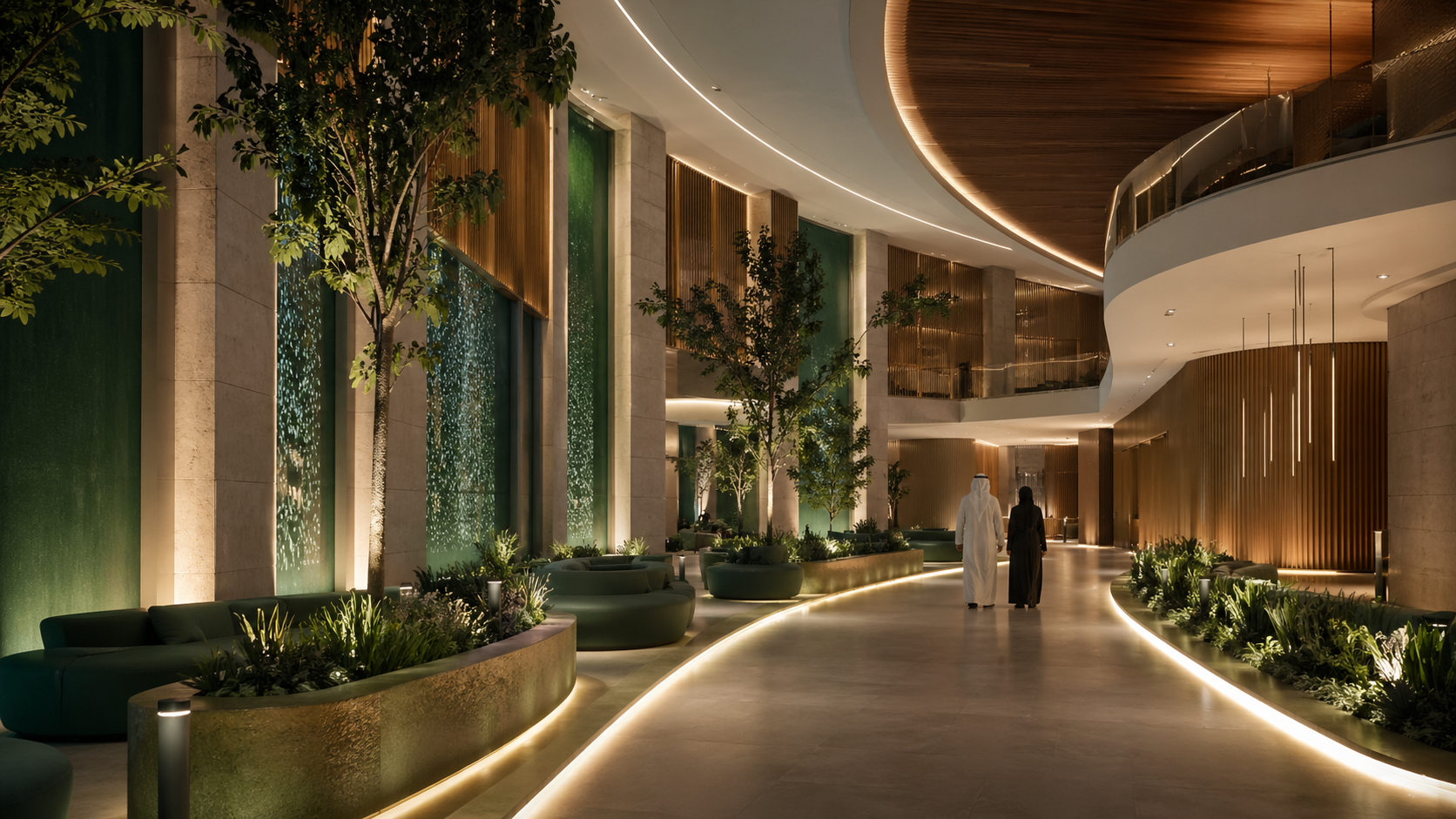
Masterful lighting design represents the invisible force that breathes life into any physical environment, merging profound technical engineering with pure artistic vision. Historically, illumination was viewed simply as a utilitarian tool to dispel darkness, but modern architecture has completely redefined its ultimate purpose. Today, the strategic placement of light is universally recognized as a critical structural element that dictates how people perceive, navigate, and emotionally connect with a space. According to the Illuminating Engineering Society (IES), a professionally crafted illumination strategy is fundamentally essential for maximizing both the aesthetic value and the operational success of any commercial or residential project. This vital evolution from basic visibility to deep emotional resonance leads us directly to the foundational philosophy driving today’s most innovative architectural spaces.
The Core Philosophy of Architectural Illumination
The integration of sophisticated architectural lighting acts as the ultimate bridge between a building’s rigid physical structure and the fluid human experience within it. When forward-thinking developers and designers treat light as a dynamic building material rather than a final, rushed afterthought, they unlock the ability to mold environments that actively respond to their occupants. This proactive approach ensures that every beam of light serves a distinct purpose, whether highlighting intricate textures, expanding spatial boundaries, or guiding foot traffic safely through a complex hotel lobby. Top-tier lighting design consultants understand that this level of spatial mastery goes far beyond picking beautiful fixtures; it requires a deep, scientific understanding of how biological systems interact with different spectrums of light.
Elevating Well-being Through Human-Centric Lighting
The revolutionary concept of human-centric lighting has completely disrupted traditional engineering models by placing human biology at the absolute center of the design process. This philosophy acknowledges that humans are fundamentally outdoor creatures, and forcing them into statically lit, artificial environments causes immense psychological and physiological stress over time. By accurately mimicking the dynamic progression of natural sunlight throughout the day, modern indoor environments can actively support cognitive function, reduce afternoon fatigue, and significantly elevate daily productivity. Extensive research published by the International WELL Building Institute (IWBI) confirms that environments optimized for biological light needs dramatically improve overall occupant satisfaction and baseline health metrics. Understanding this profound biological connection requires a closer look at the specific internal clock that governs our bodies and minds.
Synchronizing with the Circadian Rhythm
The true, undeniable power of a biologically optimized space lies in its ability to flawlessly synchronize with the human circadian rhythm, the internal 24-hour clock that meticulously regulates our sleep-wake cycles. When indoor office spaces are blasted with cool, blue-enriched light late into the evening, this delicate internal clock is thrown into total chaos, suppressing melatonin production and causing severe sleep disruption. Conversely, intelligent systems that smoothly transition to warm, amber tones as the sun naturally sets prepare the brain for rest and recovery, promoting long-term health and emotional stability. The National Institutes of Health (NIH) extensively documents the critical importance of maintaining this biological harmony to prevent chronic fatigue, insomnia, and seasonal mood disorders. To achieve this seamless, health-promoting environment, engineers must master the highly technical art of blending multiple distinct sources of light.
The Strategic Importance of Lighting Layers
Achieving a balanced, highly inviting atmosphere relies entirely on the masterful application of lighting layers, a critical technique that prevents spaces from feeling flat, harsh, or intensely clinical. Relying on a single, overpowering central light source inevitably creates heavy, unflattering shadows and blinding hotspots that induce immediate visual fatigue and spatial discomfort. By strategically combining foundational ambient light, focused task illumination, and dramatic accent highlights, designers build a rich, dimensional environment that caters to multiple functions simultaneously without ever overwhelming the eye. Professional design guidelines from the American Society of Interior Designers (ASID) emphasize that this layered methodology is the absolute golden rule for crafting rooms that feel expansive, welcoming, and infinitely adaptable. This multifaceted approach is the guaranteed secret to eliminating eye strain and ensuring long-term occupant comfort.
Achieving Ultimate Visual Comfort
At the absolute heart of every successful layered strategy is the relentless, uncompromising pursuit of visual comfort, ensuring that occupants can perform their daily tasks without squinting, headaches, or subconscious frustration. Glare—the harsh, uncontrolled light bouncing off digital screens, polished marble floors, or glossy countertops—is the primary enemy of comfort, instantly destroying the meticulously planned ambiance of an otherwise beautiful room. Expert designers actively combat this physical discomfort by meticulously calculating angles of incidence and utilizing specialized optical diffusers that soften and scatter the light before it ever reaches the human eye. The Occupational Safety and Health Administration (OSHA) repeatedly highlights that eradicating glare and ensuring perfectly balanced illumination drastically reduces workplace errors and chronic eye strain.
With the non-negotiable foundations of biological health, layered aesthetics, and visual comfort now firmly established, the conversation must inevitably shift toward the technological engines that drive these modern systems. How do facility managers and homeowners seamlessly orchestrate these complex layers of light without being overwhelmed by endless switches and dials? In Part 2 of this comprehensive guide, we will dive deep into the digital revolution of smart controls, explore the undeniable financial benefits of energy efficiency, and reveal how sustainable design is reshaping the future of the industry.
The Digital Revolution: Automating the Modern Experience
The era of manually adjusting dozens of individual dimmer switches to achieve the perfect room ambiance is rapidly becoming a relic of the architectural past. Today, the true magic of a meticulously planned illumination strategy is unlocked through the seamless integration of highly advanced digital networks and automated software platforms. These sophisticated ecosystems transform static building infrastructure into a responsive, living entity that anticipates the exact needs of its occupants before they even touch a wall panel. As explored in elite discussions surrounding modern lighting innovations, this technological leap allows facility managers to orchestrate complex visual symphonies across entire commercial skyscrapers with the simple press of a touchscreen. This unprecedented level of centralized command naturally leads us to the specific mechanisms that make such effortless environmental manipulation possible.
Orchestrating Ambiance with Smart Controls
The widespread commercial adoption of smart controls has completely redefined how humans interact with their built environments on a daily basis. By leveraging the immense analytical power of the Internet of Things (IoT), these centralized digital brains connect every individual fixture, occupancy sensor, and automated window shade into one unified, highly responsive network. Professional specifiers frequently rely on robust communication protocols established by organizations like the DALI Alliance to ensure flawless, lag-free interoperability between thousands of distinct light sources. This intelligent connectivity allows designers to program dynamic, pre-set scenes that instantly adjust brightness, color temperature, and directional focus based on the specific time of day or scheduled corporate event. Ultimately, this frictionless technological integration serves a much deeper psychological purpose by directly influencing the emotional state of the people occupying the room.
The Psychology of Mood Enhancement Through Light
Understanding the profound neurological impact of environmental aesthetics is absolutely crucial for achieving genuine mood enhancement within any commercial, hospitality, or residential setting. When an automated system smoothly transitions a bustling, brightly lit restaurant into a warm, intimate dining space as the evening progresses, it subconsciously signals to patrons that it is time to relax and linger. This deliberate manipulation of atmospheric lighting directly affects consumer behavior, dwell times, and overall satisfaction, proving that aesthetics are intricately linked to undeniable commercial success. As detailed in profound studies regarding the psychology of lighting, the strategic application of warm tones and focused shadows can completely alter a buyer’s emotional state and purchasing decisions. Consequently, designing for human emotion is not just a subjective artistic endeavor; it is a highly calculated business strategy backed by hard psychological data.
The Economics of Brilliance: Profitability Meets Sustainability
While the psychological and aesthetic benefits of advanced illumination are truly undeniable, the financial mechanics driving these massive architectural upgrades are equally compelling for real estate developers. Transitioning from outdated, energy-hungry legacy fixtures to modern solid-state technology is universally recognized as one of the most lucrative capital investments a property owner can make today. This dramatic reduction in baseline electrical consumption immediately frees up significant operational capital, transforming a required monthly utility expense into a powerful engine for long-term financial return. According to comprehensive data published by the U.S. Department of Energy (DOE), aggressive commercial retrofits can slash lighting-related electricity costs by an astonishing eighty percent, drastically accelerating the project’s return on investment. The secret to achieving these staggering financial milestones lies entirely in the underlying physics of the diodes themselves.
Maximizing Output with High Luminous Efficacy
The core scientific metric that dictates the financial viability of any modern fixture is its luminous efficacy, which accurately measures how efficiently a light source converts electrical wattage into visible lumens. In the past, incandescent bulbs wasted up to ninety percent of their consumed energy as useless heat, creating a massive financial drain and uncomfortably hot indoor climates. Today, aerospace-grade LED chips boast off-the-charts efficacy ratings, delivering brilliant, piercing illumination while operating completely cool to the touch and consuming mere fractions of a watt. By strictly specifying high-efficacy fixtures across expansive commercial portfolios, engineering teams can aggressively drive down utility costs without ever sacrificing the visual quality or brightness of the space. This relentless pursuit of maximum light output for minimum energy input forms the absolute bedrock of the modern green building movement.
Embracing Sustainable Design for Future Generations
The modern real estate market now demands uncompromising energy efficiency, firmly establishing ecological responsibility as a non-negotiable standard for top-tier property development and corporate leasing. Implementing holistic sustainable design principles ensures that a building not only operates cheaply but also actively minimizes its carbon footprint and environmental impact over its entire fifty-year lifespan. Global building certifications heavily reward projects that leverage automated daylight harvesting, advanced occupancy sensors, and non-toxic, recyclable LED materials to radically reduce ecological harm. This profound, industry-wide commitment to protecting the planet proves that breathtaking architectural beauty and aggressive environmental stewardship can perfectly coexist.
With the digital infrastructure brilliantly automated, the psychological atmosphere perfectly tuned, and the economic sustainability mathematically proven, a critical execution challenge remains for project leaders. How do development teams transition these ambitious, multi-layered blueprints from the digital drafting board into a flawless, physical reality without catastrophic budget overruns or logistical nightmares? In the third and final part of this definitive guide, we will unveil the strategic roadmap for successful project execution and highlight the vital importance of professional engineering oversight.
The Strategic Execution: Bringing the Blueprint to Life
Transitioning a highly sophisticated illumination concept into a tangible, functioning reality demands rigorous project management and uncompromising technical oversight. Even the most brilliantly conceived sustainable design can quickly unravel during the construction phase if contractors fail to understand the nuanced photometric requirements or specific mounting tolerances. The Project Management Institute (PMI) strictly advises that complex architectural integrations require dedicated, specialized oversight to prevent costly deviations from the original master plan. This is precisely why elite real estate developers refuse to leave the final execution of their visual atmosphere to chance or general contractor guesswork. Securing a flawless installation necessitates enlisting the specialized expertise of an independent, highly trained consultancy team to act as the project’s ultimate visual guardian.
The Critical Role of Professional Engineering Oversight
Partnering with a dedicated professional is the single most effective insurance policy against compromised aesthetics and inflated installation budgets. When developers learn the rigorous criteria for choosing a lighting design office, they quickly realize that true experts do much more than simply select fixtures; they mathematically validate every single beam angle and wattage requirement. These specialized engineers act as a crucial bridge between the visionary architects and the hands-on electrical contractors, ensuring that the delicate architectural lighting details are not value-engineered out of existence. By strictly maintaining the integrity of the original design intent, these consultants protect the property’s long-term market value and the ultimate user experience. This high-level technical stewardship becomes especially critical when navigating the notoriously complex procurement phase of construction.
Navigating Procurement to Avoid Budget Overruns
The global supply chain for commercial-grade diodes, advanced optical lenses, and interconnected smart controls is notoriously dense and highly volatile. Without expert guidance, development teams frequently fall into the trap of purchasing substandard clone fixtures that promise high performance but fail catastrophically within the first year of operation. To prevent this, professional design teams leverage their deep industry relationships to source heavily vetted, warranty-backed hardware directly from reputable global manufacturers. Recognizing the common mistakes of ignoring a lighting design company reveals how expert procurement entirely eliminates the risk of counterfeit components and disastrous schedule delays. With the right hardware securely routed to the job site, the team can finally transition to the highly anticipated installation and commissioning sequence.
The Roadmap to Flawless Implementation
To guarantee that the physical installation perfectly mirrors the digital blueprints, industry-leading firms employ highly advanced photometric simulation software before a single wire is ever pulled. Programs developed by organizations like DIALux allow engineers to construct exact three-dimensional replicas of the architectural space, calculating precisely how light will bounce off specific floor textures and wall colors. The International Association of Lighting Designers (IALD) champions this rigorous pre-visualization process as the ultimate standard for eliminating dark spots, preventing glare, and ensuring total regulatory compliance. By mathematically proving the concept in a virtual environment first, the execution team can confidently proceed to the physical worksite equipped with an infallible, step-by-step installation roadmap.
The Three-Phase Execution Strategy
Executing a massive, multi-layered visual network inside an active construction site requires a highly disciplined, phased approach to prevent logistical clashes with other mechanical trades. If fixtures are installed too early, they risk being damaged by construction dust; if installed too late, they necessitate tearing open freshly painted drywall to run required digital cables. To achieve perfect harmony and absolute system reliability, an elite interior lighting design company will strictly enforce a non-negotiable, three-tiered deployment sequence:
- Infrastructure Pre-Wiring: Installing all necessary conduits, low-voltage cabling, and digital network hubs while the building’s structural framing is still fully exposed to contractors.
- Precision Hardware Mounting: Surgically installing the physical fixtures, optical diffusers, and heat sinks only after the environment is completely dust-free and climate-controlled.
- Digital Commissioning and Calibration: Booting up the central software to meticulously program color transitions, set sensor sensitivities, and synchronize the system with the building’s master automation platform.
Conclusion: Illuminating the Path Forward
As we conclude this definitive exploration into the art and science of spatial illumination, it is abundantly clear that mastering light is the ultimate key to mastering the human experience. We have moved far beyond the archaic days of simple bulbs and switches, entering an awe-inspiring era where environments actively adapt to our biological needs, emotional states, and ecological responsibilities. The profound integration of human-centric methodologies, cutting-edge digital automation, and uncompromising energy efficiency has forever changed the trajectory of global architecture. Whether designing a towering corporate headquarters or a serene luxury residence, the way we choose to illuminate our spaces directly dictates the quality of life for everyone within them.
The future of the built environment belongs exclusively to those who recognize light not as an afterthought, but as the foundational pillar of modern design. By embracing sophisticated engineering strategies and partnering with visionary technical experts, developers can transform static buildings into dynamic, living masterpieces. Ultimately, investing in world-class illumination is an investment in human health, operational profitability, and undeniable architectural legacy. Step boldly into the light, and let your spaces shine with unprecedented brilliance, intelligence, and profound, lasting purpose.