
Building Facades: Where Architectural Design Meets Modern Lighting Technology in Saudi Arabia
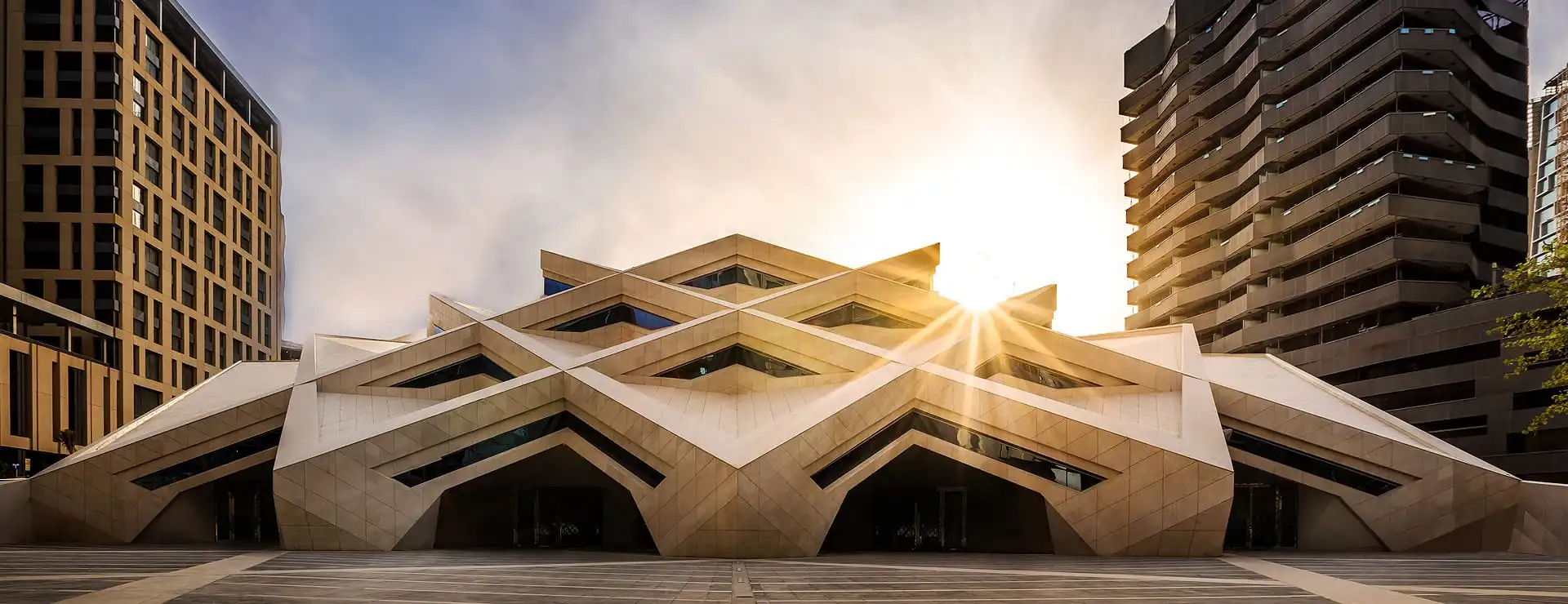
Building facades are the true reflection of a property’s value and the philosophy behind its ownership. They form the very first impression in the mind of a visitor long before stepping inside. In the midst of the rapid urban transformation taking place across Saudi cities such as Riyadh and Jeddah, exterior design is no longer treated as a simple structural shell. Instead, it has become a strategic investment that demands careful selection of materials and precise lighting distribution. At DTS, the belief is that a successful facade should tell the story of the building and highlight its unique identity within the dense urban landscape, transforming a silent structure into a vibrant visual landmark.
The Importance of Facade Design in Modern Real Estate
Facade design plays a central role in the success of any architectural project. It directly contributes to increasing a property’s market appeal while attracting the right investors or tenants. Innovative facade design goes beyond aesthetics. It also considers functionality and performance by examining how a building interacts with its surroundings and the local climate.
This attention to detail is what distinguishes leading developments in Saudi Arabia. Architectural elements inspired by local heritage are often blended with contemporary international styles, producing designs that feel both authentic and forward-looking.
Investing in a professionally designed facade also strengthens the building’s place identity, allowing it to become a recognizable landmark that people can easily identify and navigate toward in large cities. When facades are executed according to precise engineering standards, they improve the overall experience both inside and outside the building. The result is a balance between visual appeal and practical performance.
Through integrated design and lighting solutions, DTS ensures that the facade becomes a powerful visual element that captures attention and contributes to building a strong reputation for the project from the very beginning.
Architectural Facade Lighting: Turning Nightfall into Visual Art
Facade lighting is the element that redefines a building’s identity once the sun sets. Properly designed lighting highlights architectural lines and details that may go unnoticed during the day.
Lighting distribution is not only about visibility. It is about creating visual drama that emphasizes the strengths of the architectural design while subtly minimizing imperfections if they exist. At DTS, advanced lighting technologies are used to carefully balance light and shadow, giving the structure depth and dimensionality that allows it to stand out within the city skyline.
Designing facade lighting requires a clear understanding of how different materials interact with light. Glass, stone, and metal surfaces each reflect and absorb light in unique ways. By following the standards of the International Association of Lighting Designers (IALD), lighting designs are implemented in a way that protects visual comfort and minimizes light pollution that could disturb surrounding areas.
With this level of precision, the facade becomes more than an exterior surface. It transforms into a visual canvas that communicates the sophistication and technological advancement of the institution behind the building.
Architectural Trends in Saudi Arabia for 2026
The Saudi construction sector is witnessing a growing shift toward modern facades defined by simplicity and clean lines. This represents a clear departure from the excessive ornamentation that dominated earlier decades.
Modern facade design typically integrates a mix of materials such as aluminum, polished concrete, and smart glass. The contrast between these elements creates a visually dynamic appearance that reflects contemporary architectural thinking. At the same time, this modernity does not abandon cultural identity. Instead, it reinterprets traditional architectural ideas through modern construction technologies and sustainability principles.
Achieving this balance requires creative facade enhancement techniques. Architects are increasingly incorporating unconventional elements such as green walls or perforated metal panels that allow natural light to pass through while maintaining privacy.
According to insights highlighted by Architectural Record, facades that successfully merge technology with natural elements are expected to dominate the architecture of future cities. By following these international trends, DTS delivers designs that keep clients at the forefront of architectural innovation while fully complying with the Saudi Building Code.
Exterior Building Lighting and Its Impact on Safety and Appeal
Exterior lighting is not only a design feature. It also plays a crucial role in safety and security. Well-planned lighting around entrances, pathways, and side facades reduces dark areas and helps visitors feel safe and welcomed.
However, lighting must be carefully designed to avoid glare that could affect drivers on nearby roads. Achieving this balance requires specialized expertise in the engineering of light and shadow.
Beyond security, exterior lighting also helps establish a unique nighttime identity for the building. Different lighting intensities and colors can be used to celebrate special occasions or reinforce a brand’s visual presence.
Technical Efficiency and Smart Systems in Facade Engineering
In the era of digital transformation currently shaping Saudi Arabia, building facades are no longer static layers of stone or glass. They have evolved into complex systems that contribute to energy management and indoor comfort.
Integrating technology into facade structures has become a defining factor for competitiveness in premium real estate markets such as Riyadh. Large organizations increasingly seek headquarters that reflect innovation and operational efficiency.
Energy efficiency in facades represents one of the most significant challenges and advantages in modern architecture, particularly with rising temperatures across the region. By applying advanced insulation technologies, double-glazed glass, and reflective coatings, cooling demand can be reduced by as much as 30 percent.
This approach aligns closely with the Saudi Building Code, making high-quality facade cladding materials a smart long-term investment that lowers operational costs while improving building performance.
Smart Facade Systems and Dynamic Architectural Experiences
Alongside energy efficiency, smart facade systems are emerging as transformative tools that allow architects to control how buildings look and perform throughout the day.
These systems include automated sun-shading devices that track the movement of the sun to provide shade, as well as interactive facades equipped with integrated LED screens capable of communicating with the public.
At DTS, these technologies are combined with innovative lighting solutions to create dynamic facades that adapt their colors and brightness according to surrounding light conditions. This ensures the building always appears at its best, regardless of time or environment.
Sustainable facade design also requires a comprehensive approach, starting from the use of recyclable materials to installation techniques that reduce thermal loss. Research from the World Green Building Council (WGBC) highlights that facades based on passive sustainability principles, such as natural ventilation and daylight optimization, are among the most durable and cost-effective solutions.
By adopting these practices, DTS ensures that facade designs remain modern, environmentally responsible, and capable of lasting for generations without the need for frequent upgrades.
Architectural Identity and Digital Design Precision
Facade identity also plays a key role in strengthening trust between a brand and its audience. When a building combines modern architectural elements with intelligent systems, it sends a clear message about the owner’s commitment to innovation and detail.
Using Building Information Modeling (BIM) software allows engineers to simulate facade performance before construction begins. This process reduces potential errors and ensures that exterior lighting aligns perfectly with architectural lines, delivering the intended design vision with precision.
Integrating such technologies requires a team with expertise in both facade engineering and lighting design. At DTS, solutions are developed with maintenance and durability in mind, ensuring that complex systems continue operating efficiently even under harsh environmental conditions such as dust and extreme heat.
This level of technical execution transforms the facade from a conceptual drawing into a tangible architectural achievement that contributes to both the aesthetic and commercial success of the project.
Conclusion
Designing building facades is an evolving process that begins with architectural sketches and continues through ongoing technological updates and maintenance.
The harmony between structural materials, intelligent systems, and innovative lighting is what separates an ordinary building from an architectural landmark that remains memorable within the city skyline.
At DTS, there is pride in being part of this transformation. By combining expertise with passion, the team helps clients turn their facades into success stories that illuminate the skyline of Riyadh and Saudi Arabia as a whole.