
4 Common Mistakes in Facade Lighting Design
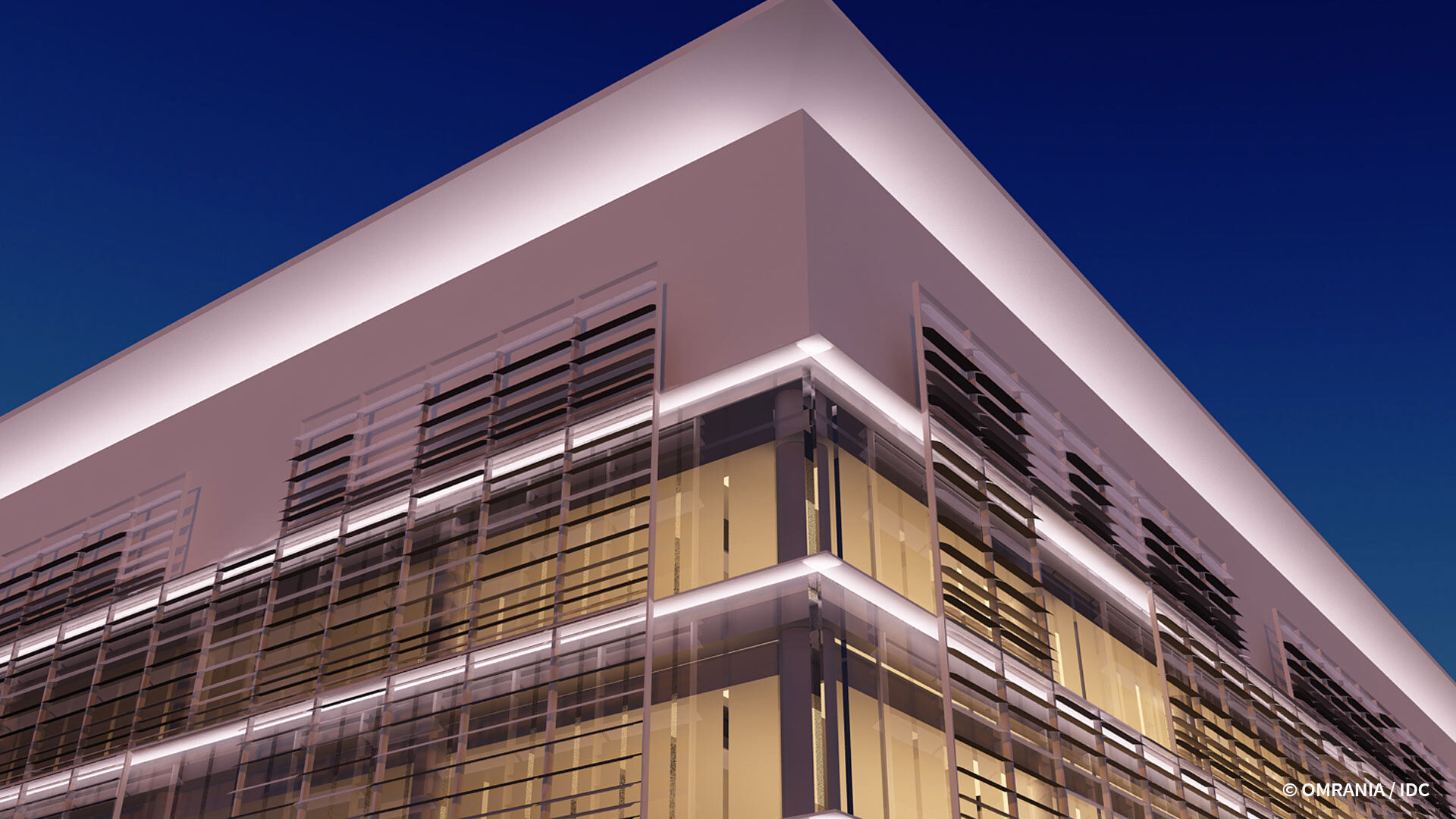
Some may think that façade lighting is merely a decorative step or an aesthetic touch in buildings. In reality, facade lighting design is both an art and a science with precise rules and a direct impact on a building’s identity and function. Good lighting can transform any façade into a visual masterpiece that reflects the character of the place and attracts attention, while design mistakes can diminish the building’s value and turn it into a source of discomfort or waste.
In this article, we will detail the most common mistakes in Building façade lighting, how to avoid them through proper planning, the role of lighting in enhancing safety and security, and how a well-lit façade can strengthen a brand’s identity and make it an integral part of a building’s character.
What are the common mistakes in facade lighting design?
Mistakes in Building façade lighting go beyond aesthetics—they affect functionality, visual comfort, and even operational costs. The most frequent errors include:
Excessive lighting that causes visual discomfort
One of the most widespread mistakes in Building façade lighting is the overuse of lighting units or excessively high brightness. This often makes a building appear flashy and uncomfortable, while causing eye strain for pedestrians and nearby residents.
- Excessive lighting erases architectural detail by removing contrast between light and shadow.
- It leads to high energy consumption with little added value.
- It creates light pollution, reducing the quality of life in urban areas.
The solution is to calibrate light intensity according to established standards and use smart technologies that automatically adjust brightness based on time or need.
Choosing unsuitable colors that harm impressions
The color of light in facade lighting design has a strong psychological and visual impact. Using colors that don’t align with the building’s function or identity can create the wrong impression.
- A luxury hotel can lose its elegance if bright or clashing colors are used.
- Strong cool lighting may make a restaurant feel unwelcoming, whereas warm tones convey comfort and hospitality.
- Randomly shifting colors can make a façade feel chaotic rather than inviting.
The ideal approach is to match light colors with project type: warm tones for residential and hospitality buildings, neutral or cool tones for commercial and corporate spaces, and dynamic colors for special events.
Ignoring the balance between natural and artificial lighting
Another critical mistake in facade lighting design is relying entirely on artificial lighting and neglecting natural light.
- Poorly considered designs may cause clashes between daylight and artificial light, creating uncomfortable visuals.
- Failing to integrate natural light increases unnecessary energy consumption.
- Large windows and glass surfaces can be valuable features if combined with artificial lighting effectively.
The solution is to carefully study sun paths and natural light sources during the planning stage, complemented with smart control systems to minimize reliance on artificial lighting during the day.
Using low-quality equipment leading to frequent maintenance
Selecting inadequate or low-quality lighting equipment is one of the most costly mistakes in facade lighting design.
- Poor lamps burn out quickly and require frequent replacements.
- Low-grade lenses or housings may leak light or deteriorate under weather conditions.
- Repeated maintenance increases operational budgets and disrupts façade performance.
The solution is to invest in globally certified, high-quality fixtures. Although the initial cost may be higher, they provide long-term savings by reducing breakdowns and maintenance needs.
How does proper planning help avoid these mistakes?
Planning is not an extra step—it is the backbone of any successful project. At Design Tech Services, we adopt a meticulous approach that makes planning the foundation of every facade lighting design project.
- Comprehensive architectural studies: We analyze dimensions, materials, and building typology to ensure lighting solutions integrate harmoniously.
- 3D simulations: We provide clients with realistic visualizations of the final outcome before execution, minimizing surprises.
- Flexible alternatives: We propose multiple options for light colors and intensities, adaptable to different occasions or branding needs.
- Proactive maintenance schedules: We design preventive maintenance plans to reduce unexpected breakdowns and ensure consistent performance.
This professional methodology ensures that our projects are not just illuminated façades, but true visual landmarks that combine beauty, efficiency, and sustainability—leaving a long-lasting impression.
How does façade lighting enhance safety and security?
Beyond aesthetics, facade lighting design plays a practical role in urban and commercial safety.
- Good lighting reduces the risk of accidents such as slips and falls.
- A well-lit building is more visible at night, discouraging unwanted activity.
- It creates a psychological sense of safety for visitors and pedestrians, encouraging them to engage with the space.
- Lighting entrances and exits ensures smooth movement and enhances overall safety.
Thus, lighting is not only decorative—it is also preventive, helping create safer and more welcoming urban environments.
How does façade lighting reinforce brand identity?
A lit façade is more than a visual feature—it is a marketing tool that reflects brand identity and builds emotional connections with customers.
- A luxury hotel’s glowing façade acts as an immediate welcome card.
- Retail stores use façade lighting to highlight their brand and draw in customers.
- Global companies often align Building façade lighting with corporate colors and logos, reinforcing recognition.
- During events, dynamic lighting can change colors to show community participation and brand versatility.
In this way, façade lighting becomes a living advertisement that strengthens brand presence, complements marketing campaigns, and creates an unforgettable visual identity.
In conclusion, no architectural project is complete without a carefully planned facade lighting design. Common mistakes—such as over-lighting, poor color selection, ignoring natural light, or using low-quality equipment—can undermine both aesthetics and function. However, with proper planning, high-quality fixtures, and professional expertise, lighting evolves from a mere necessity into a strategic tool that delivers beauty, safety, and brand power. With the experience of Design Tech Services, every façade can become a visual landmark that adds real value and remains memorable for years to come.