
How Lighting Design Consultants Drive Project Success
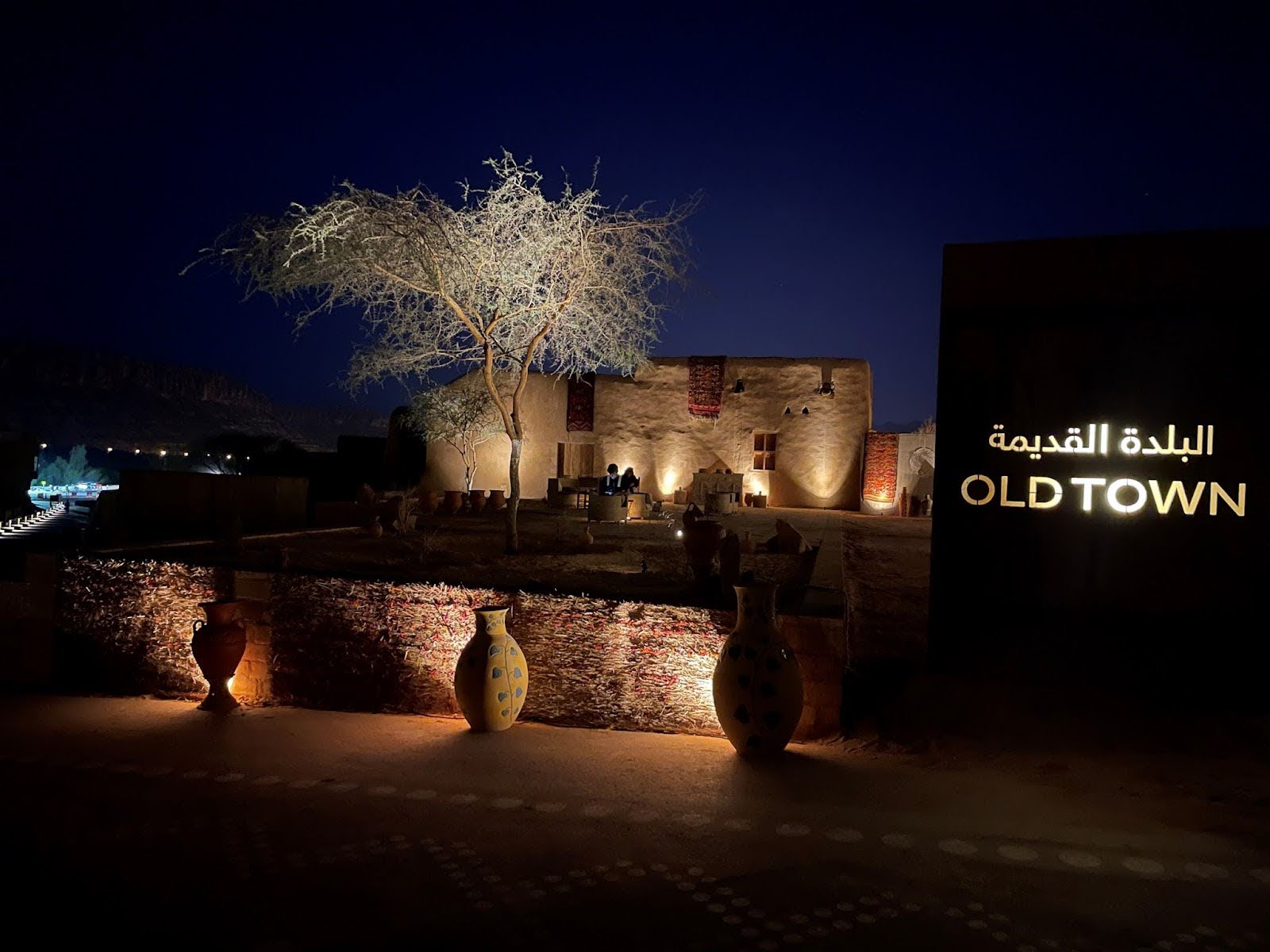
For some, lighting may seem like a purely technical element or simply a means of visibility. In reality, it is a complete architectural language that reflects the identity of a space and defines the experience of those who live in or visit it. Lighting is not just about fixtures placed here and there—it is an element that fuses art, engineering, and technology. This is why the role of lighting design consultants is central to the success of any architectural project, whether residential, commercial, or public.
In this article, we take an in-depth look at the work journey of DTS architectural lighting design consultants, from the moment a project is received until its final handover.
How does project reception and requirements analysis begin?
The strength of any lighting project begins with the way it is received. The reception and analysis phase is not just a formal protocol, but rather the foundation upon which the lighting design consultants at DTS Architectural Lighting Design build all subsequent decisions.
- In-depth briefing session: Understanding the project type (residential, commercial, hospitality, educational, religious), interior design style, target users, and operational hours.
- Collecting technical data: Updated architectural, civil, and electrical drawings (AutoCAD/BIM), ceiling heights, surface materials, openings, and service routes.
- Usage and circulation analysis: Identifying use scenarios (viewing, receiving, working, passing through, product display) and anticipating movement density and visitor/resident pathways.
- Defining lighting objectives: Required lux levels for each function, light uniformity, color rendering index (CRI), correlated color temperature (CCT), and glare limits (UGR).
- Natural light evaluation: Sun orientation, glazing areas, and brightness control methods (curtains, louvers) to reduce reliance on artificial lighting during the day.
- Sustainability and operation needs: Energy-saving goals, integration of smart control systems, energy budgets, and maintenance policies.
- Site constraints: Unusual ceiling heights, exposed ceilings, humid zones, fire safety considerations, and structural restrictions.
- Outputs: A formal Lighting Brief approved by the client, serving as the official reference for the next steps.
How Do DTS Architectural Lighting Design Consultants Create an Initial Lighting Plan?
Once data and analysis are complete, the consultants prepare a preliminary plan that acts as a roadmap.
- Initial concept: A draft outlining primary and secondary lighting zones.
- Lighting type selection: The right blend of direct, indirect, and decorative lighting.
- Light level allocation:
- General lighting for uniform distribution.
- Task lighting for specific areas (kitchen, office).
- Accent lighting to highlight architectural features.
- General lighting for uniform distribution.
- Visual identity integration: Taking into account wall and furniture colors to ensure harmony.
- Flexibility for revisions: Offering multiple options to the client for later refinement.
This stage helps clients envision the final look before diving into detailed technical work.
How is coordination managed with architects and civil engineers?
No lighting project can succeed without close collaboration between multiple disciplines.
- With the architect:
- Ensuring lighting design aligns with the architectural vision.
- Integrating fixtures without compromising ceiling or wall aesthetics.
- Ensuring lighting design aligns with the architectural vision.
- With the civil engineer:
- Determining electrical routing and connections.
- Ensuring no conflicts with HVAC or infrastructure systems.
- Determining electrical routing and connections.
- With interior designers:
Guaranteeing visual harmony between lighting, furniture, and finishes. - Working as one team:
The lighting consultant serves as a key link, ensuring all disciplines operate in sync toward a common goal.
This coordination is what makes the role of lighting design consultants at DTS Architectural Lighting Design pivotal and distinct from that of a simple electrician or execution contractor.
How are lighting plans reviewed and approved?
After the preliminary plan and coordination, the consultants move to producing detailed drawings for approval.
- Execution drawings: Indicating fixture locations, wiring routes, and control systems.
- Advanced software use: 3D simulation tools to present realistic previews before implementation.
- Light level testing: Verifying that illumination intensity meets global standards for each space.
- Client review: Presenting the final plan for approval and making revisions if needed.
- Formal approval: Once all parties agree, the plan is locked and execution begins.
This ensures the project proceeds with clarity and without unexpected issues.
How is execution supervised and quality controlled?
The strongest plans can fail if not executed under strict supervision. This is where the difference created by architectural lighting design consultants on-site truly stands out.
- Pre-start meetings: Aligning contractors and suppliers on requirements, reviewing delivery schedules and testing protocols.
- Sample approvals: Installing lighting samples in key areas (lobbies, retail, halls) to validate appearance, brightness, and glare before full rollout.
- Material inspection: Verifying compliance certificates and approving only equivalent alternatives with consultant approval.
- Site inspections:
- Accurate measurement of heights and alignments.
- Checking cable routing, driver ventilation, and safety distances.
- Reviewing finishing quality: clean light lines, smooth recesses, no light leaks.
- Accurate measurement of heights and alignments.
- Stage testing:
- Electrical inspections.
- Initial lighting tests for lens and angle adjustments.
- Electrical inspections.
- System programming: Configuring DALI/KNX units, defining scenes, linking sensors, and setting dimming curves per area.
- Documentation: Inspection reports, snag lists, before/after photos, and meeting minutes.
- Change management: Any onsite adjustment is modeled and simulated to maintain compliance with lighting levels and glare control.
Outcome: An implementation that matches the design intent, free of conflicts, and delivered on schedule.
In the end, when you seek a partner to lead your lighting project from the very first brief to the final handover, choosing DTS Architectural Lighting Design means relying on a team of architectural lighting design consultants who combine practical expertise, technical knowledge, and aesthetic vision. With their extensive experience and proven record in residential and commercial projects, they will guide your project through a clear, systematic process: precise analysis, a carefully crafted lighting concept, multidisciplinary coordination, approved execution documents, strict supervision, and post-delivery support. With DTS Architectural Lighting Design, you gain not only beautiful lighting but also a complete experience that enhances the value of your space, reduces operational costs, and offers its users greater comfort and quality of life.